

In a world where health and longevity are at the forefront of many people’s minds, the quest for a sustainable and beneficial diet has never been more pertinent. Cookbooks and diet plans tailored toward aging gracefully have gained popularity, offering a cornucopia of recipes and lifestyle tips. These guides aim to provide nutritious and delicious meals crafted to enhance one’s well-being throughout the years, sharing the secret to a balanced diet that supports a vibrant life.
As individuals look to maintain their health and vitality, they turn to trusted sources for guidance. Culinary experts and nutritionists have taken to the page, creating a selection of cookbooks that not only showcase mouth-watering dishes but also incorporate the latest research on diet’s impact on the aging process. These books act as a beacon for those navigating the diverse landscape of nutrition, blending flavour with function to meet the needs of the aging population.
1) How to Cook Everything by Mark Bittman
Mark Bittman’s “How to Cook Everything” has become a trusted resource in many kitchens. This comprehensive guide stands out for its simple recipes that make cooking approachable for beginners and seasoned chefs alike. Bittman offers clear instructions, encouraging cooks to experiment and learn.
The book includes 2,000 recipes, covering the breadth of home cooking. It emphasizes fresh ingredients and straightforward techniques, making it a go-to for everyday meals. With Bittman’s guidance, one can confidently tackle a wide array of dishes, from the basics to more ambitious culinary feats.
In its 10th anniversary edition, the cookbook has been updated, showcasing the author’s evolution alongside modern culinary trends. The recipes have been fine-tuned, and the content expanded, reflecting the growing focus on wholesome, natural foods.
“The Bittman Project” and his VB6 (Vegan Before 6) diet plan reflect Bittman’s dedication to healthy eating. His cookbooks, including VB6, urge incorporating more plant-based meals into daily diets, without giving up meat entirely. It’s this balance and flexibility that have earned “How to Cook Everything” its place as an essential reference in home cooking.
2) The Joy of Cooking by Irma S. Rombauer
“The Joy of Cooking” stands as a quintessential piece in any home cook’s library. Irma S. Rombauer first introduced this staple to the culinary world in 1931, influenced by the need to navigate the hardships of the Great Depression. She invested in the initial print run herself, a daring move that set the stage for its historic success.
Rombauer’s work transcends mere recipe collection. It delivers trusted guidance for a range of cooking techniques, speaking to novices and seasoned cooks alike. The book has seen continuous updates, ensuring it remains relevant to modern methods and tastes, yet it retains the charm and wisdom that only a timeless classic can offer.
Her efforts led to sales exceeding 20 million copies, making it one of the most popular cookbooks in North America. She initiated a legacy of culinary empowerment, passing down the baton through generations, with her descendants ensuring that “The Joy of Cooking” adapts and grows, mirroring the dynamic nature of American cuisine.
It’s more than just a book; it’s a culinary mentor, filled with reliable recipes that cater to a wide array of dishes, from everyday meals to elaborate feasts. Its enduring presence is a testament to Rombauer’s vision, one that continues to inspire confidence in the kitchen for cooks across Canada and beyond.
3) Ottolenghi Simple by Yotam Ottolenghi
Yotam Ottolenghi has crafted a delightful addition to any home cook’s shelf with his book, “Ottolenghi Simple.” This cookbook is a treasure trove of 130 recipes that embody the vibrant Middle Eastern flavours that Ottolenghi is renowned for. What sets this collection apart is its dedication to simplicity—each dish comes together quickly, within 30 minutes, or requires 10 or fewer ingredients.
The book is perfect for those who appreciate fine food but may not have the luxury of time. Whether one is a seasoned chef or a beginner in the kitchen, the recipes are designed to be straightforward and manageable. Ottolenghi employs a single-pot approach for some dishes, while others utilise pantry staples or can be prepared ahead of time—ensuring a fuss-free cooking experience.
Within “Ottolenghi Simple,” the recipes are not just easy to follow but also brimming with rich, palate-pleasing tastes. This cookbook is a great resource for anyone looking to bring the distinct essence of Middle Eastern cuisine into their everyday meals with grace and ease. It’s a celebration of flavourful, yet undemandly simple, culinary creations.
Whole30: The 30-Day Guide to Total Health and Food Freedom by Melissa Hartwig Urban
Melissa Hartwig Urban’s “Whole30” is more than a diet; it’s a month-long journey to reimagine one’s relationship with food. The framework is straightforward — for 30 days, participants remove certain food groups from their diet that could be impacting their health negatively. The emphasis is not solely on weight loss but on overall health and a sustainable transformation of eating habits.
Since its inception in 2009, Whole30 has become a phenomenon, propelled by its promise of total health and food freedom. The program encourages people to pay close attention to how food affects their bodies and minds. By eliminating foods that often cause issues such as sugar, alcohol, grains, and dairy, many have reported significant improvements in energy, mood, and sleep.
Melissa’s guidebook, as one might find neatly displayed on Martha Stewart’s kitchen shelf, serves as an essential companion for participants. It is filled with practical advice, recipes, and personal support strategies. The book guides readers through the challenge day by day, ensuring they have the information required to succeed.
“Whole30: The 30-Day Guide to Total Health and Food Freedom” provides a structured yet flexible plan that has sparked a health revolution across the globe, including Canada, where food-loving individuals seek balance and wellness in their culinary lives.
5) The Complete Mediterranean Cookbook by America’s Test Kitchen
America’s Test Kitchen presents a treasure trove of flavour with their “The Complete Mediterranean Cookbook”. The kitchen connoisseur would find this collection particularly engaging with its 500 plus recipes that reflect the heart of the Mediterranean lifestyle. The dishes range from quick weeknight options to deeper culinary adventures, each designed to bring the vibrant spirit of countries like Italy, Greece, and Morocco to the dining table.
They say the Mediterranean diet is one of enduring wellness, and this cookbook makes a compelling guide to embracing that healthy living. It doesn’t merely showcase recipes, it shines a light on how to integrate fresh and wholesome ingredients found at local supermarkets into daily meals. Whether it’s succulent seafood, hearty grains, or luscious fruits and vegetables, there’s an emphasis on variety and nutrition.
Experimental home chefs will appreciate the simplicity and creativity encouraged by this book. Catering to modern convenience without sacrificing authenticity, the volume ensures that the rich flavours of the Mediterranean can be enjoyed no matter the time constraints or culinary skill levels at hand. Instructions are thoughtful, straightforward, and they echo Martha Stewart’s philosophy of accessible elegance in the kitchen.
6) Plant-Based Diet for Beginners by Gabriel Miller
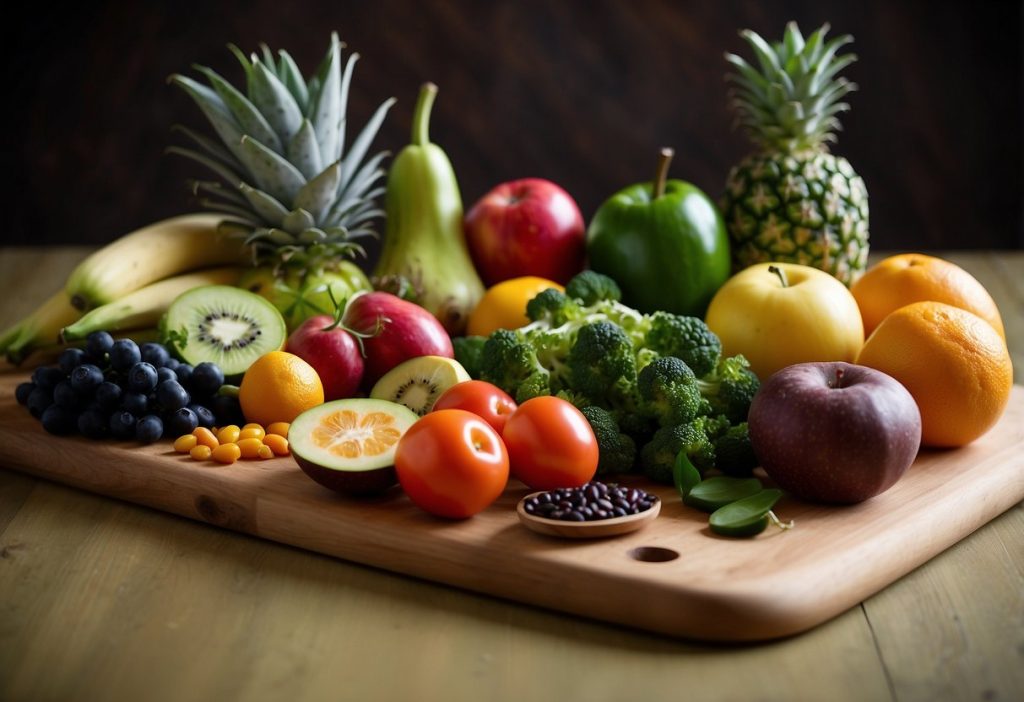
In his book “The Plant-Based Diet for Beginners”, Gabriel Miller extends an inviting hand to those venturing into the world of plant-based eating. With 75 enticing recipes that showcase whole foods, Miller simplifies the transition for newcomers. His approach is designed for ease, without needing prior cooking experience. Readers can expect dishes that not only promote health but also appeal to the palate.
Miller’s intention is clear: to make a plant-based diet accessible to everyone. His recipes focus on readily available ingredients and uncomplicated preparation methods. The cookbook is a wellspring of ideas for individuals seeking to enhance their diet with more vegetables, fruits, grains, and legumes.
Diligently, the author addresses common hurdles faced by beginners, providing practical tips to make plant-based eating a seamless part of daily life. This cookbook is not just a collection of recipes but a guide to adopting a healthier, whole-food-focused lifestyle.
The practicality of “The Plant-Based Diet for Beginners” reflects Miller’s understanding that good nutrition should be as straightforward as it is beneficial. By steering clear of overly complex instructions and rare ingredients, he ensures that each dish is as approachable as it is nutritious.
7) The Keto Diet by Leanne Vogel
Leanne Vogel provides a refreshing take on the high-fat, low-carbohydrate ketogenic diet with her book “The Keto Diet.” Her work is a treasure trove of over 140 recipes that cater to those embarking on a keto lifestyle. She brilliantly recognizes that dietary changes are never a one-size-fits-all situation, offering readers a variety of options to personalize their eating plan.
In her book, Vogel addresses common hurdles individuals often face when trying to adapt to a ketogenic diet and provides practical solutions to overcome them. Her attention to detail ensures that even those with specific dietary needs, such as dairy-free or nut-free requirements, can find something suitable. Her advice extends beyond recipes, guiding readers to sustain their diets without succumbing to frustration.
Vogel’s experience with the challenges of maintaining a keto diet shines through in her work. She encourages a flexible approach, which is particularly helpful for people who might feel overwhelmed by strict dietary restrictions. The book isn’t just a collection of meals; it’s a comprehensive guide designed to help one thrive on a keto diet. With Vogel’s help, individuals can enjoy delicious meals while working towards their health and wellness goals.
8) Cooking for Jeffrey by Ina Garten
Ina Garten’s cookbook “Cooking for Jeffrey” is a heartfelt tribute to her husband, Jeffrey. The collection is a blend of traditional dishes and contemporary flavours tailored to their tastes over decades of marriage. This cookbook goes beyond mere recipes, infusing personal stories and experiences that have shaped Garten’s approach to cooking and entertaining.
The pages of “Cooking for Jeffrey” feature selections such as Butternut Squash Hummus and Fig & Goat Cheese Bruschettas, emphasizing Ina’s penchant for fresh ingredients and simple yet elegant presentation. Her approach reflects a certain graciousness and intimacy in the kitchen, akin to what you’d find in a classical Martha Stewart setting. The essence of the book promotes the joy of cooking for someone special, with each dish bearing significance to both Ina and Jeffrey’s lives together.
In addition to the recipes, Garten shares anecdotes that offer readers a glimpse into their shared life, making the cookbook an intimate account of their culinary journey. The narrative conveys not just the importance of quality ingredients and well-crafted meals, but also the creation of memories around the dining table.
This book resonates with those who appreciate the timeless charm of serving loved ones, with Garten serving as an inspiring figure of domestique elegance. Her recipes are not just instructions; they are an invitation to create joy in the kitchen and around the table, celebrating relationships through the love language of food.
9) How Not to Die by Michael Greger
In “How Not to Die,” Dr. Michael Greger presents a compelling guide that reveals how one’s diet can play a pivotal role in prolonging life and preventing diseases. The book became a New York Times bestseller, showcasing its widespread recognition and acceptance. Dr. Greger, renowned for his expertise and work on the website Nutritionfacts.org, offers a practical approach toward nutrition and its impact on health.
Through his research, Dr. Greger explores the connection between food choices and the risk of chronic diseases. He provides evidence-based recommendations on foods that have been scientifically proven to boost health and combat leading causes of death. The text serves as an empowering resource for individuals seeking to make informed dietary decisions.
Accompanying the main book, “The How Not to Die Cookbook” further enriches the reading experience. It delivers over 120 plant-based recipes designed to be not just healthy but also pleasing to the palate. The recipes adhere to the insights of the original publication, emphasizing food as a tool for disease prevention. The cookbook’s popularity is a testament to its utility and alignment with health-conscious eating.
Dr. Greger’s work extends beyond the written word to embrace a lifestyle change that can have a lasting influence on one’s well-being. Both “How Not to Die” and its cookbook iteration encourage a wholesome, plant-oriented diet as a compelling avenue for fostering a healthier, more vibrant life.
10) Forks Over Knives: The Cookbook by Del Sroufe
In the culinary world, “Forks Over Knives: The Cookbook” by Del Sroufe has made a notable impact with its collection of over 300 plant-based recipes. This cookbook complements the Forks Over Knives philosophy, which is centred around a whole-food, plant-based diet. The idea is to help individuals lose weight, feel better, and lead healthier lives.
The recipes in Sroufe’s book are designed for simplicity and health, providing delicious meals that are both vegan and oil-free. Chef Del skillfully demonstrates that a plant-based diet can be not only nutritious but also full of flavour and variety. From seasonal dishes to globally inspired ones, there’s a certain elegance in how he presents the vegan diet as accessible and enjoyable.
Chef Sroufe’s personal journey, remarkable weight loss, and the transformation affirmed his belief in the power of a plant-based diet. His cookbook offers inspiration for those looking to make a lifestyle change while also catering to those who simply wish to integrate more plant-based meals into their diets.
Equally as remarkable is the book’s contribution to the trend of healthy eating. It has stayed on bestseller lists for extended periods, reflecting its popularity and the growing interest in plant-based cuisine. The shared wisdom from fellow culinary experts like Isa Chandra Moskowitz and Julieanna Hever enhances the book’s appeal, serving as a guide for both novices and seasoned cooks.
Historical Evolution of Age-Defining Cookbooks
The march of cookbooks through history has been shaped by remarkable authors and chef-driven publications. These works not only reflect culinary trends but also socio-economic shifts of their times.
Influential Authors and Chefs
Throughout history, certain individuals stand out for their contributions to the culinary arts. These trendsetters authored cookbooks that encapsulated the dietary preferences and cooking techniques of their era.
- Amelia Simmons: Her work “American Cookery,” published in 1796, was the first known cookbook written by an American. It offered recipes that employed New World ingredients, which were a novelty at the time.
- Fannie Merritt Farmer: Farmer was instrumental in standardizing cooking measurements, bringing a scientific approach to recipes. Her 1896 “Boston Cooking-School Cookery Book” became a household staple across North America.
- Julia Child: She introduced French cuisine to the American public with her seminal work “Mastering the Art of French Cooking” in the 1960s. This opened up international culinary exploration to the average home cook.
- Rose Murray: A household name in Canada, Murray helped define Canadian cooking with books like “A Taste of Canada” that highlight regional dishes and ingredients.
Landmark Publications
Certain cookbooks have acted as milestones, marking periods of transformation in cooking styles and preferences.
- “Le Viandier” by Guillaume Tirel: Tirel, also known as Taillevent, wrote one of the earliest extant European cookbooks. It represents the culinary practices of the French courts in the 14th century.
- “The Art of Cookery Made Plain and Easy” by Hannah Glasse: This 1747 book became the go-to guide in the 18th century both in the United Kingdom and the American colonies, showing the cross-Atlantic reach of cookery books.
- “La Cuisinière Bourgeoise”: Published in 1746, it offered the burgeoning French middle class a catalog of recipes that could be recreated in modest homes.
- “Modern Domestic Cookery, and Useful Receipt Book” by Elizabeth Hammond: With its first publication in 1819, it provided detailed instructions for households during the Regency period in Britain, reflecting the domestic and culinary expectations of the time.
Key Trends in Diets Over the Decades
Dietary habits have evolved significantly, influenced by both medical discoveries and changing cultural values. Each decade has seen its own array of popular diets moulded by these factors.
Impact of Medical Research
Medical research has always played a pivotal role in shaping dietary trends. In the 20th century, vitamins were linked to prevention of certain diseases, leading to a surge in multivitamin supplements and fortified foods. Meanwhile, studies in the late 1900s began to highlight the importance of fibre and complex carbohydrates. This led to diets rich in whole grains gaining popularity.
In the 21st century, extensive research links diet to longevity. Findings now suggest that including legumes, whole grains, and nuts could add years to a person’s life. As research progresses, diets evolve to reflect the latest understanding of nutrition and its effects on health.
Societal and Cultural Shifts
The cultural backdrop of a time significantly influences dietary patterns. Post-war periods saw convenience foods gain popularity, while later decades elevated home cooking and gourmet ingredients, thanks to figures like Julia Child. The 1960s and 1970s introduced counterculture vegetarianism, making way for plant-based diets that continue to thrive today.
More recently, environmental awareness has cast climate-friendly diets in the limelight. With one in five deaths linked to an unhealthy diet, people are increasingly adopting habits not just for personal health but for planetary well-being. Consumption of red and processed meats is declining, while fruits, vegetables, legumes, and nuts are on the rise.
How These Cookbooks and Diets Shape Modern Cuisine
Cookbooks and diets have long influenced what people cook at home and what chefs offer on their menus. They serve as a reflection of cultural preferences and nutrition awareness, evolving with time to shape the culinary landscape.
Current Trends in Home Cooking
People are turning back to their kitchens, inspired by a rich collection of cookbooks that make culinary skills more accessible. They’re exploring recipes that combine health with taste, focusing on fresh ingredients and whole foods. The presence of cookbooks offering time-honored dishes alongside innovative fusion cuisine reflects a desire to blend tradition with contemporary flavours.
- Ease and Efficiency: Quick and nutritious recipes are in high demand.
- Health Consciousness: Incorporation of diets focused on wellbeing.
- Global Flavours: Cookbooks introduce exotic tastes, broadening the home cook’s horizon.
Influence on Restaurant Menus
Restaurant menus often reflect the popular diets and iconic cookbooks that diners have come to adore. Chefs may modernize classic dishes from these books by adding a twist while retaining the original’s essence. The farm-to-table movement has also driven the incorporation of locally sourced produce, which is a direct result of the sustainable eating ethos present in contemporary cookbooks.
- Menu Diversity: Chefs embrace a variety of cuisines, mirroring cookbook trends.
- Nutritional Information: Menus increasingly highlight calorie count and allergen information.
- Creative Presentations: Artistic plating techniques are inspired by visually stunning cookbooks.
In both home kitchens and restaurants, these cookbooks and diets are not just about sustenance but about crafting an experience that resonates with modern sensibilities and lifestyles.
0 responses