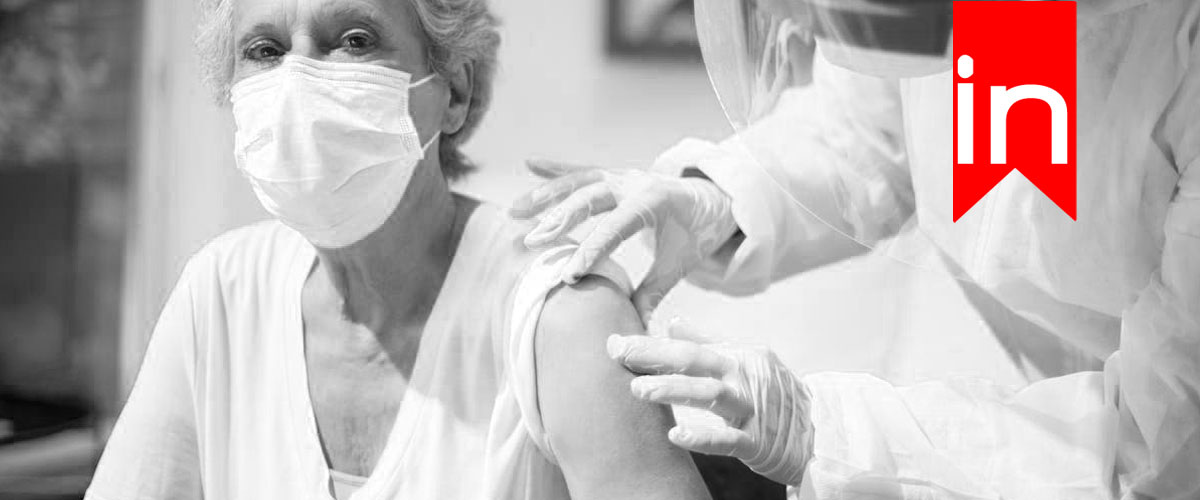

Shingles, also known as herpes zoster, is a reactivation of the varicella-zoster virus, the same virus responsible for chickenpox. Unlike chickenpox, which typically affects children and presents as an itchy, widespread rash, shingles occur predominantly in adults and seniors. This illness manifests with a painful, blistered rash that generally spans one side of the body, typically appearing in a strip. The onset of shingles is often associated with a decrease in immune system effectiveness, which can happen naturally with age, due to stress, or from other immune-compromising conditions.
The management of shingles is multifaceted, involving the treatment of the acute viral infection as well as addressing the pain and discomfort associated with the condition. Postherpetic neuralgia, which is a persistent pain that remains after the rash has cleared, can be a significant complication for some individuals. The risk of developing shingles and its complications underscore the importance of preventative strategies. Among these strategies is the administration of the Shingrix vaccine, which is specifically designed to prevent shingles and has become a crucial tool in protecting at-risk populations, particularly older adults.
Highlights
- Shingles is a painful condition caused by the reactivation of the varicella-zoster virus.
- Treatment for shingles includes antiviral medications and pain management.
- Vaccination with the Shingrix vaccine can help prevent shingles and its complications.
Shingles In Seniors
Herpes zoster, commonly known as shingles, is an outbreak that can cause significant discomfort. It emerges from the same virus responsible for chickenpox in individuals who have had the illness in the past.
The Basics of Herpes Zoster
Herpes zoster, or shingles, is a viral infection caused by the reactivation of the varicella-zoster virus (VZV), which remains dormant in the nerve tissue of those who have had chickenpox. This reactivation can occur many years after the initial chickenpox infection, often prompted by factors such as aging, stress, or immunosuppression.
Symptoms of shingles typically start with pain, itching, or tingling in an area on one side of the body. A rash then develops into clusters of blisters, which fill with fluid and eventually crust over. Pain from shingles can be severe and is often described as a burning sensation. The condition typically resolves within two to four weeks, but some individuals may experience long-term pain known as postherpetic neuralgia.
Treatment options for herpes zoster focus on antiviral medications to hasten recovery and reduce the severity of the disease, as well as pain management to ease discomfort. Individuals over 50 or those with weakened immune systems are recommended to receive a shingles vaccine to reduce the risk of the disease and its complications.
Correlation with Chickenpox
The relation between shingles and chickenpox lies in their common viral origin: the varicella-zoster virus. Initial exposure to VZV typically causes chickenpox, a highly contagious disease characterized by itchy, red spots that cover the body. Once the chickenpox infection resolves, VZV remains inactive in the body’s nerve cells. Years later, the virus may reactivate, leading to shingles.
The risk factor of developing shingles increases with age due to the natural decline in immune function. In Canada, the publicly funded vaccine programs aim to reduce the incidence of these VZV-related ailments. The immunology behind the Zostavax shingles vaccine focuses on boosting cell-mediated immunity to combat shingles in adults over 50 years of age, thus acknowledging the direct relation between immunosenescence and the prevalence of shingles.
Symptoms of Shingles
Shingles manifests through distinct skin eruptions accompanied by sensations that can greatly discomfort an individual. The characteristic rash and associated pain are hallmarks of this condition, which sometimes also presents with systemic symptoms affecting one’s overall well-being.
Recognizing the Rash
The shingles rash typically surfaces as a band or a small section of redskin that’s limited to one side of the body. It’s often preceded by pain or tingling in the area, signaling the onset before any visual signs appear. As the condition progresses, clusters of blisters develop on top of the red base, which eventually burst and crust over. The rash’s path follows the course of nerves, explaining its localized distribution.
Other Common Symptoms
Besides the rash, individuals with shingles might experience other symptoms such as:
- Pain: Described as aching, burning, stabbing, or shock-like sensation.
- Tingling or numbness in the affected area.
- Fever: A moderate increase in body temperature can accompany the rash.
- Headache: Often co-occurring with the rash, adding to discomfort.
- Malaise: A general feeling of being unwell is not uncommon.
These symptoms may persist for some time, with pain lingering even after other signs have subsided, a phenomenon known as postherpetic neuralgia.
Causes and Risk Factors
Shingles, an infection stemming from the reactivation of the varicella-zoster virus, is associated with multiple risk factors including immune system health and external stressors.
Varicella Zoster Virus
The primary cause of shingles is the reactivation of the varicella zoster virus (VZV), the same pathogen responsible for chickenpox. After an individual recovers from chickenpox, typically during childhood, VZV remains dormant within nerve tissues. Factors such as age or a weakened immune system can later reactivate the virus, resulting in shingles.
Immunological Considerations
A key risk factor for developing shingles is a compromised immune system. This can occur due to various conditions such as:
- HIV/AIDS
- Cancer
- Use of immune-suppressing medications
As one ages, their immune system may decline, increasing the likelihood of the virus reemerging. Additionally, those with a family history of shingles may have a genetic disposition towards a weaker immune response to VZV.
Triggering Factors
Certain triggers can raise the risk of shingles activation. Stress, both physical and emotional, is recognized as a contributing factor. Major life events or chronic stress may impair immune function and lead to antiviral defences being less effective. Other known triggers can include:
- Physical injury
- Sunburn
- Certain medications, such as oral contraceptives, which may interact with the immune system
The presence of one or more of these factors can increase an individual’s risk for developing shingles. Effective vaccines are available as a means to reduce risk and prevent the disease.
Diagnostic Procedures
Accurately diagnosing shingles relies on a blend of clinical evaluation and laboratory analysis, which allows healthcare professionals to understand the nature of the skin rash and associated symptoms.
Medical History and Examination
In the diagnosis of shingles, a healthcare professional will first collect a thorough medical history, emphasizing any past episodes of chickenpox, as shingles arises from the reactivation of the varicella-zoster virus that causes chickenpox. During the physical examination, they will meticulously inspect the skin rash, typically presenting as a painful, blistering rash that wraps around either the left or right side of the torso, although it can appear anywhere on the body. The appearance of the rash, along with the patient’s history and presenting symptoms—such as pain, burning, or tingling—often leads to an initial clinical diagnosis of shingles.
Laboratory Tests
When the diagnosis is not clear-cut based on the medical history and examination, laboratory tests play a crucial role. Health professionals may perform a culture of the lesion samples, extracting fluid from the blisters to identify the varicella-zoster virus. Another common laboratory test employs Polymerase Chain Reaction (PCR) techniques, offering more definitive results by detecting the virus’s DNA in the sampled fluid. Moreover, direct fluorescence antibody (DFA) staining can be conducted; it tags the virus with fluorescent antibodies that can be seen under special lighting, providing yet another method of confirming the presence of the virus that causes shingles.
Treatment Strategies
Effective treatment for shingles may include antiviral drugs to hasten recovery and alleviate the severity of symptoms, as well as various methods for managing pain and discomfort associated with the condition.
Antiviral Medications
Antiviral medications are a cornerstone in the management of shingles. They work best when they are taken within 72 hours of the first appearance of the rash. The three primary antivirals prescribed include:
- Acyclovir (Zovirax): Often recommended for the treatment, to be taken multiple times daily.
- Valacyclovir (Valtrex): Known for its enhanced ease of use, it can be taken fewer times per day.
- Famciclovir (Famvir): Similar to valacyclovir in terms of dosing frequency and is an alternative for individuals unable to take other antivirals.
Pain Management
Managing pain associated with shingles is crucial to patient comfort. Several options can help reduce the pain:
- Gabapentin (Neurontin): This medication is beneficial in managing nerve pain.
- Capasicin: Available in topical form, it can be applied to the skin to reduce the pain sensation.
- Lidocaine: Comes in creams, gels, or patches and numbs the area, offering temporary pain relief.
Additional Medications
There are other medications that may be used to alleviate shingles symptoms, including:
- Corticosteroids, to reduce inflammation and pain.
- Antihistamines, to ease itching and promote better rest at night.
Home Care and Remedies
Alongside medical treatment, patients are often advised to implement home care strategies such as:
-
- Keeping the rash clean and dry to reduce the risk of infection.
- Using cool, wet compresses on the rash sites to lessen pain and itching.
- Wearing loose, natural fibre clothing to avoid additional skin irritation.
Complications and Associated Conditions
Shingles can lead to long-lasting effects and various health issues, particularly concerning in the older population. Individuals over the age of 50 are more prone to serious complications.
Postherpetic Neuralgia
Postherpetic neuralgia (PHN) is the most common complication of shingles, characterized by persistent nerve pain where the shingles rash was present. This pain can last for months or even years after the rash has healed. Treatments for PHN aim to manage pain and improve the patient’s quality of life. Options include:
-
-
- Medications: such as anticonvulsants, antidepressants, and opioids.
- Topical therapies: including lidocaine patches or capsaicin cream.
-
In managing PHN, one might consider applying capsaicin cream to alleviate pain or prescribing specific medications that help control the neuropathic discomfort.
Other Potential Complications
Shingles can also result in complications that extend beyond PHN. These may include:
-
-
- Bacterial infections: which can occur when the rash leads to skin infections.
- Vision loss: resulting from shingles infections around the eye, known as zoster ophthalmicus.
- Brain inflammation: though rare, encephalitis is a serious condition that can occasionally stem from shingles.
- Pneumonia: sometimes a complication when shingles affects the lungs.
-
Recording prompt care, which involves the timely administration of antiviral medications, can be pivotal in reducing the risk of such severe complications. Individuals experiencing symptoms suggestive of these serious conditions should seek immediate medical attention.
Prevention and Vaccination
Vaccination is the cornerstone in the prevention of shingles, an ailment that can have burdensome consequences, especially in older adults. Two vaccines, Shingrix and Zostavax, have been front-runners in this preventive approach, each with distinct characteristics and recommendations from health authorities.
Shingrix and Zostavax
Shingrix is a recombinant zoster vaccine that offers protection against shingles. It is a newer vaccine compared to Zostavax and is preferred due to its enhanced effectiveness. The vaccine is made from a virus component, as opposed to a live virus, making it suitable for a wider range of individuals, including those with weakened immune systems.
Zostavax, on the other hand, is a live-attenuated chickenpox vaccine. It contains a higher dose of the same virus strain used in pediatric varicella vaccines. While it has been effective, its use has been overshadowed by Shingrix, primarily due to the latter’s superior efficacy in preventing shingles and its complications.
Both vaccines have been associated with high safety profiles. Shingrix, specifically, does not contain a live virus, thereby eliminating the risk of vaccine-induced shingles. Zostavax, while containing a live virus, has not been linked to significant adverse effects in the majority of recipients.
Immunization Recommendations
The Advisory Committee on Immunization Practices (ACIP) in Canada recommends the Shingrix vaccine for most individuals 50 years and older. The committee advises a two-dose series of Shingrix to maximize immunity against the varicella zoster virus, which causes shingles.
The ACIP’s recommendation is grounded in clinical trials that have showcased the robust protection afforded by Shingrix, even years after vaccination. Though not perfect, the vaccine significantly lowers the risk of developing shingles and its severe complication, postherpetic neuralgia.
The chickenpox vaccine, while primarily used to protect against chickenpox in children, has implications for shingles prevention due to the nature of the virus. A strong immune response in childhood can diminish the chances of viral reactivation later in life. However, with the varicella vaccine being a more recent development, long-term efficacy data in the context of shingles are still under examination.
0 responses