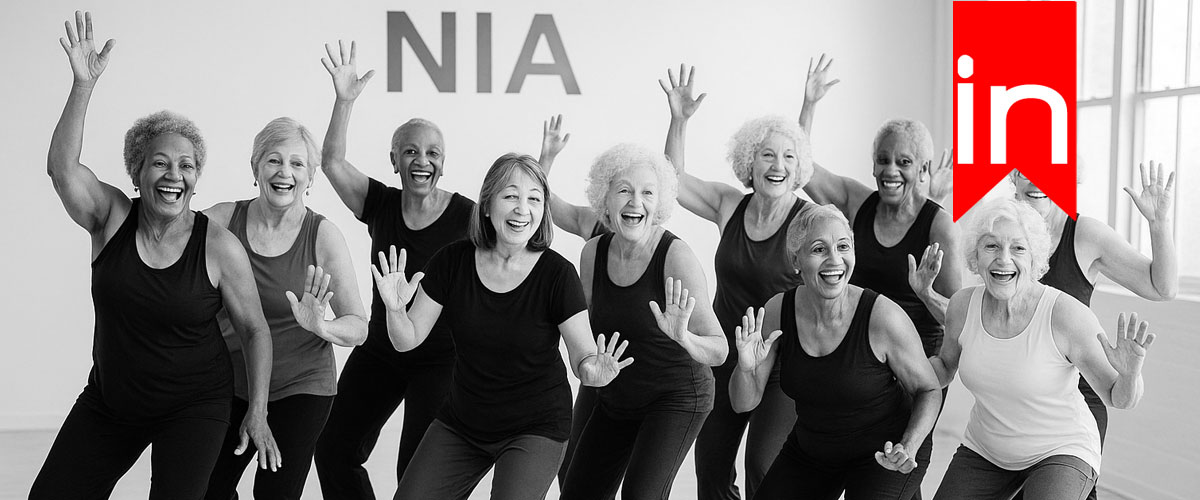
Finding enjoyable and accessible exercise can be a challenge for older adults, but the Nia fitness program is designed to make movement both fun and effective for seniors. Nia combines dance, martial arts, and mindful movement, offering a gentle yet engaging workout that helps improve strength, flexibility, balance, and overall well-being. With seated or standing options, anyone can participate comfortably regardless of their mobility or experience level.
What sets Nia apart is its focus on holistic wellness and a supportive community environment, making classes welcoming and adaptable for every participant. Seniors can join group sessions for added motivation and social interaction or try routines at home, benefitting from the flexibility that Nia provides.
Highlights
- Nia is a gentle fitness program blending dance, martial arts, and mindful movement.
- Classes offer modifications and community support for seniors.
- Practising Nia can boost mobility, strength, and enjoyability in exercise for older adults.
What Is The Nia Fitness Program?
Nia is a movement and fitness practice that blends dance, martial arts, and mindfulness. It uses expressive movement with music to support both physical and emotional wellbeing, often emphasising accessibility for older adults and community participation.
History Of Nia Techniques
The Nia Technique was first developed in the early 1980s in Oregon by Debbie Rosas and Carlos AyaRosas. Their goal was to create a holistic fitness approach that combined elements from dance, martial arts, and healing arts.
Nia’s philosophy is rooted in the belief that fitness should feel good and not cause pain or discomfort. The technique encourages participants to move in ways that respect their body’s natural design, making it especially suitable for seniors. Movement is guided by sensation, rather than strict rules, fostering both creativity and self-expression.
A key part of Nia’s approach is its emphasis on community. Classes are designed to be welcoming, so people of all fitness levels and backgrounds can join. The social aspect and sense of belonging help motivate participants to stay active. Seniors, in particular, enjoy the opportunity to connect with others through movement and shared experience.
Nia’s Key Principles
Nia integrates movements from three main disciplines: dance arts, martial arts, and healing arts.
- Dance arts add expressive movements inspired by styles such as jazz and modern dance. These cater to coordination, rhythm, and fun.
- Martial arts bring precision, agility and grounded movements, drawing from techniques like Tai Chi and Tae Kwon Do.
- Healing arts introduce mindful awareness and gentle motions typical in yoga and Feldenkrais.
Core principles include the “Joy of Movement”—participants are encouraged to listen to their bodies and move in ways that feel pleasurable and safe. The technique’s 52 moves form the foundation for Nia routines, but movements are typically low-impact and adaptable. Many classes include both standing and seated routines, making Nia accessible for a wide range of fitness levels and ages.
Music plays a central role in every session. It helps to set the mood, guide movement, and create an energising or calming atmosphere. Through group classes or online options, Nia fosters a sense of connection and community, supporting the mental and social health of participants along with physical fitness.
Benefits of Nia Fitness for Seniors
Nia fitness brings a tailored approach for older adults seeking a safe and engaging workout. Nia classes address both physical health and emotional wellness by blending movement, music, and mindful exercise practices.
Physical Wellness and Mobility
Nia encourages seniors to participate in low-impact movement that supports flexibility, balance, and strength. Its routines often combine elements from dance, martial arts, and healing arts, which creates a varied workout and reduces the risk of repetitive strain.
A focus on gentle transitions and adaptable movements makes Nia inclusive for people with different physical abilities. Instructors typically offer modifications so seniors can move at their own pace, maintaining safety. This adaptability is key for those managing conditions like arthritis or limited mobility.
Regular Nia sessions help improve overall mobility, making daily activities such as walking or reaching easier. Participants also report enhanced posture and reduced risk of falls, thanks to exercises that target the core and stabilizing muscles. The social aspect of group classes allows for a sense of community, motivating individuals to stay active and engaged.
Emotional and Mental Well-Being
Nia supports mental well-being by creating a welcoming and expressive environment. Classes encourage self-expression through music and movement, which can be uplifting and reduce feelings of isolation.
The integration of mindfulness and breathing in Nia also helps older adults manage stress and anxiety. The focus on being present during each routine promotes better sleep and a calmer mood. Regular group participation offers a sense of belonging, which is especially important for emotional health in seniors.
Connecting with others through shared movement often leads to improved confidence and a more positive outlook. Seniors appreciate the non-competitive atmosphere, where the goal is personal wellness rather than performance. This approach helps build resilience and supports a healthy, active lifestyle.
Foundational Components Of Nia Workouts
Nia workouts bring together distinct fitness elements to create an engaging and adaptable exercise experience for seniors. By blending dance, martial arts, and mind-body practices, these classes support movement, coordination, and holistic well-being.
Dance Elements
Dance serves as the core of Nia, with movements inspired by jazz, modern, and Duncan dance. Seniors benefit from clear, rhythmic patterns that are set to music, making each session enjoyable and engaging. Steps are designed to be simple but effective, allowing participants of varying abilities to join in safely.
Routines focus on both expressive arm gestures and grounded footwork. These repetitive motions help improve balance, mobility, and coordination. The use of music also boosts motivation and fosters social interaction, key aspects for seniors wanting to stay active. Unlike traditional dance classes, Nia emphasizes feeling the movement rather than achieving perfection, making it accessible and welcoming for everyone.
Martial Arts Integration
Nia incorporates techniques from tae kwon do, tai chi, and aikido. These martial arts elements add a dynamic aspect to workouts, focusing on controlled kicks, blocks, and stances. The movements are performed at a gentle pace, ensuring safety for seniors while encouraging increased strength and agility.
Each sequence blends sharp, focused motions with soft, flowing transitions. This contrast supports better joint health and flexibility. Practising martial arts moves also boosts body awareness and helps develop reflexes, which can reduce the risk of falls. Many seniors find that these integrative motions keep routines interesting without overwhelming the body.
Mind-Body Practices From Yoga
Yoga-inspired techniques round out Nia workouts by introducing stretching, breath control, and mindful awareness. Every session includes gentle poses and transitions, encouraging participants to listen to their own bodies and avoid strain.
Slow, deliberate breathing is guided throughout, supporting relaxation and helping to manage stress. The integration of yoga elements fosters greater flexibility and steady posture. For seniors, this holistic approach not only aids in recovery but promotes a sense of calm and presence during exercise, making each class a gentle yet thorough fitness experience.
Designing A Safe And Effective Nia Exercise Routine For Seniors
A Nia fitness routine for seniors blends mindful movement with simple patterns that support independence, strength, and balance. Proper adaptation and attention to safety can help older adults enjoy the full benefits of this exercise practice.
Adapting Movements For Older Adults
Nia combines dance, martial arts, and mindfulness, but not every movement is suitable for everyone. Seniors should focus on low-impact steps and fluid transitions to ease pressure on the joints and prevent strain.
Movements can be performed standing, seated, or with support from a chair if needed. This flexibility is essential for participants who experience limited mobility or balance issues. Encouraging slow, controlled motions gives each person time to adjust and maintain form.
The use of clear visual cues and repetition helps build confidence. Modifying choreography to suit individual levels, such as smaller arm circles or shorter ranges of motion, allows everyone to experience the joy of movement safely.
Safety Considerations And Guidelines
Following safety guidelines greatly reduces the risk of falls and injury. The National Institute on Aging suggests checking with a healthcare provider before starting any new exercise, especially for older adults with chronic health conditions.
It is vital to wear supportive footwear and select a clutter-free, non-slip surface for activities. Staying hydrated and listening to physical cues—such as shortness of breath or pain—is also important.
Nia sessions should begin with a warm-up and end with cool-down stretches. Regular assessments of balance and strength can help track progress, making adjustments to the routine as needed for each individual’s changing abilities.
Participating In Nia Fitness Classes
Nia fitness classes are tailored to support a healthy body and mind, with choices to fit comfort, ability, and lifestyle. Both in-person and virtual options are available, and finding a certified instructor brings credibility and expertise.
Finding In-Person And Online Classes
Many community centres now offer Nia classes designed specifically for seniors, with modified exercises focusing on mobility, balance, and gentle cardio. No-impact and seated routines are popular for those with limited mobility or joint concerns. Schedules and locations for local classes can easily be found using online resources like the Nia class finder.
Online Nia classes, including live Zoom sessions, provide access to instructors across the country. This makes participation convenient for those who prefer to work out at home or have busy schedules. Some instructors offer smaller group sessions, creating an intimate and supportive environment even in a virtual space.
Check for options such as drop-in rates, single sessions, or unlimited plans. Many seniors appreciate being able to try out a class before making a commitment. The availability of online options ensures that seniors from rural or remote locations also have the opportunity to build community and consistency in their fitness routine.
Choosing Certified Nia Instructors
A certified Nia instructor brings a professional and safe approach to each workout session. Credentials can be verified through Nia’s official website or by asking the instructor directly. When selecting an instructor, seniors should look for experience working with older adults or hosting specialty classes for seniors.
Qualified instructors will adapt exercises for different ability levels and provide modifications for special concerns, such as arthritis or balance challenges.
It can be helpful to read reviews or testimonials, or to request a trial class to observe the instructor’s teaching style. Seniors benefit from instructors who create a welcoming atmosphere and focus on both physical health and well-being.
Types Of Exercise Incorporated In Nia
The Nia fitness program for seniors brings together movement forms that target endurance, flexibility, and stability. This method supports a holistic approach, focusing on both physical health and daily functional capabilities.
Aerobic Conditioning
Nia uses a blend of movement styles to achieve aerobic conditioning, drawing from dance, martial arts, and mindfulness practices. Classes typically include continuous movement with varying intensity, which helps improve heart and lung health. Routines encourage steady movement for 30-45 minutes, supporting cardiovascular fitness without excessive strain.
Movements are low-impact, prioritizing joint health and smooth transitions, which is ideal for seniors. Participants can follow the rhythm, tempo, and steps at their comfort level. The aerobic components are designed to be enjoyable, often set to music, making it easier for individuals to stay consistent.
Instructors often use guided imagery or suggest modifications for each exercise. This allows every participant to work safely within their range of motion. By fostering endurance and movement awareness, Nia supports everyday activities such as walking, standing, and light household tasks.
Flexibility And Balance Training
Flexibility and balance are priorities in the Nia program, woven into each session through specific stretches and stability exercises. Techniques from yoga and tai chi are integrated, focusing on gentle stretching and mindful movement. This helps improve joint mobility and decrease the risk of falls.
Balance exercises may include standing poses, slow weight shifts, and coordinated footwork. Emphasis is placed on posture, core strength, and body awareness. The goal is to enhance stability whether seated or standing.
Table: Common Flexibility and Balance Elements in Nia
| Exercise Type | Example Movements | Benefit |
|---|---|---|
| Yoga-based Stretches | Seated lunges, spinal twists | Improved flexibility, joint range |
| Balance Drills | Heel-to-toe walk, side steps | Enhanced stability, fall prevention |
Participants are encouraged to pay attention to comfort, never pushing past personal limits. This supportive environment makes the Nia program accessible for diverse ability levels.
Community And Social Support In Nia
Nia fitness classes offer more than physical activity; they create an open, friendly environment that fosters social bonds and shared wellness goals. Seniors benefit from a space where personal connections and group encouragement make exercise routines more enjoyable.
Building Connections Among Seniors
Older adults often experience feelings of isolation, especially as friends or family may not be nearby. Participating in Nia classes helps address this by bringing seniors together in a supportive group setting. New friendships can form naturally during warm-ups, partner routines, and post-class chats.
Instructors encourage everyone to interact, which helps break down barriers and builds a sense of belonging. Having a dedicated time and space to come together makes it easier for seniors to maintain regular social contact.
Key Benefits For Older Adults Include:
- Increased sense of community
- Reduced loneliness
- Opportunities for meaningful conversation
- Sharing milestones in their exercise journey
Group Motivation And Engagement
Nia classes emphasize collective energy. Group participation gives seniors the motivation to stick to their exercise routine and show up week after week. This shared commitment can turn an ordinary workout into a welcomed and anticipated event.
Regular group feedback, applause, and encouragement from both instructors and peers help keep participants engaged. Seniors often report feeling more accountable and inspired when part of a class, rather than exercising alone.
Ways Nia enhances engagement:
- Structured group activities
- Celebrating progress together
- Support during challenging routines
This collaborative environment often leads to higher attendance and greater enjoyment in each session, making ongoing wellness for older adults more sustainable.
Tips for Success with the Nia Fitness Program
A thoughtful approach to Nia can help seniors enjoy lasting benefits. Establishing a practical plan and finding ongoing inspiration contributes to fitness, wellness, and a welcoming community.
Setting Realistic Goals
For seniors starting Nia, it is important to set achievable goals tailored to individual fitness levels. This may mean targeting gentle movement for flexibility or focusing on improved balance and mobility rather than high-intensity workouts.
A useful method is to write down weekly milestones. For example, attending two Nia classes per week, or adding five minutes of practice at home each session, can provide clear direction.
Tracking progress in a simple journal helps to monitor improvements over time. Seniors should listen to their bodies, adjust goals as needed, and celebrate small successes—like increased stamina or confidence.
Consultation with a healthcare provider before beginning can ensure the activity suits one’s health needs.
Staying Motivated
Maintaining motivation is often easier with support and structure. Many seniors benefit from the social aspect of Nia by joining group classes, in-person or virtually, for a sense of community and accountability.
Scheduling Nia sessions into a weekly calendar creates routine and commitment. Some prefer pairing exercise with a friend, which adds encouragement and makes the experience more pleasurable.
Exploring music playlists or different Nia routines can keep classes fresh and interesting. Seniors may share achievements or challenges with others, building connections and reinforcing commitment.
Stopping Scammers Who Target Seniors
Ontario Over 80 Driving Test Requirements And Renewal Process