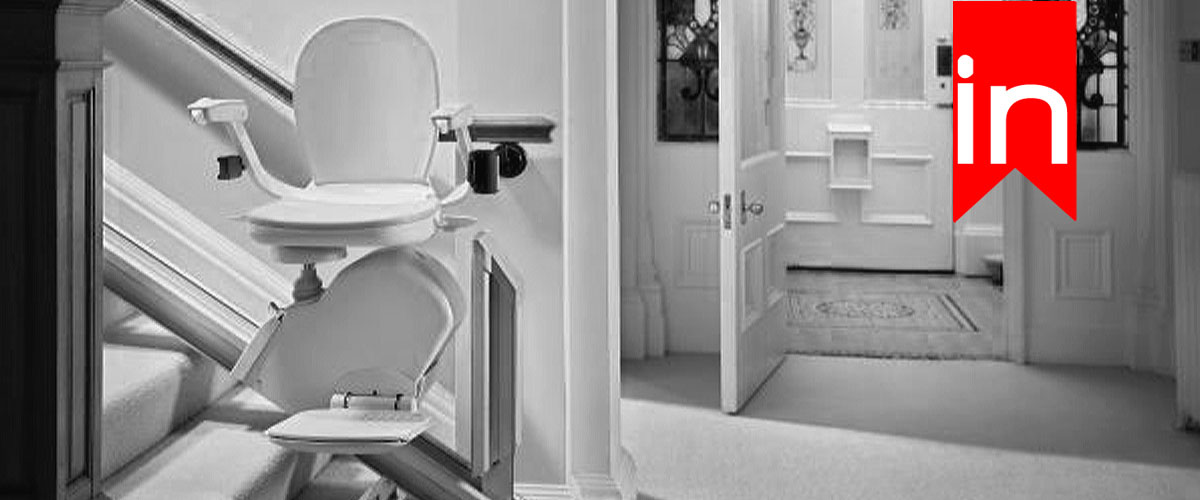

Aging in place represents the preference of many seniors to remain in their own homes as they grow older, rather than moving to specialized housing or care facilities. This approach to living hinges on the premise of maintaining independence and comfort within a familiar environment.
For those living in multi-level homes, navigating stairs becomes one of the significant challenges associated with aging in place. Mobility issues due to age or health conditions can transform this simple daily task into a formidable obstacle, potentially impacting safety and quality of life.
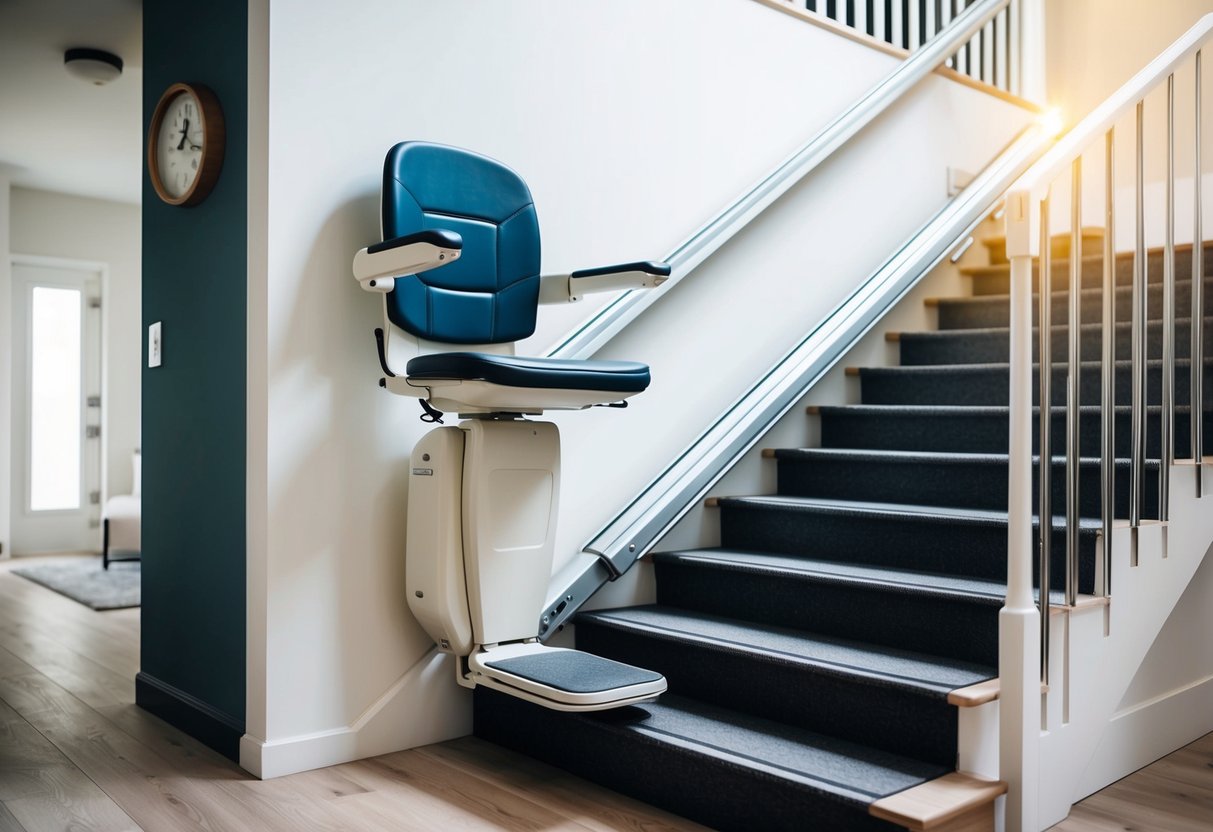
Stair lifts have emerged as a practical solution for seniors aiming to age in place safely and independently. These devices are designed to transport individuals up and down the stairs comfortably and securely, mitigating the risk of falls.
With a variety of models available, including stand-up and seated versions, stair lifts can be customized to fit the physical needs of the user as well as the architectural specifications of the home.
The implementation of stair lifts can play a pivotal role in enabling seniors to navigate their multi-storied homes without the need for costly and disruptive home renovations.
Installation and maintenance of stair lifts require careful consideration to ensure they serve as reliable aids in the home.
Choosing the right stair lift involves assessing the specific needs of the individual, such as the required weight capacity and preferred features, in addition to considering the staircase configuration.
Professional installation and regular maintenance are integral to the long-term functionality of the stair lift, providing peace of mind for seniors and their families.
Highlights
- Stair lifts are a key feature in enabling seniors to age in place by providing a safe way to navigate multi-level homes.
- Selecting and customizing the appropriate stair lift requires consideration of individual needs and home architecture.
- Professional installation and ongoing maintenance are crucial for the reliability and longevity of stair lifts in the home.
Seniors Who Age In Place
Stair lifts can significantly enhance the well-being of seniors who choose to age in their own homes by fostering independence and improving access within their living spaces.
Benefits for Seniors
Stair lifts are transformative for seniors, facilitating comfort and independence in the home. They empower individuals to navigate multiple floors safely, reducing the risk of falls and injuries. The ability to move freely throughout their own residence can directly enhance one’s quality of life. Here are critical benefits a stair lift provides:
- Safety: Reduces the likelihood of staircase accidents.
- Accessibility: Allows full use of a multi-storey home.
- Independence: Seniors can live at home longer without relying on external assistance.
Emotional and Mental Health Considerations
The emotional and mental health impact of aging in place with stair lifts is profound. Mental health, closely linked with the sense of autonomy and self-sufficiency, sees a positive effect when elders have the means to maintain their lifestyle.
The comfort of remaining in a familiar environment, coupled with the ability to perform daily tasks unaided, supports emotional stability and overall well-being.
Key considerations include:
- Reduced Isolation: Easy access to different home levels encourages social interaction.
- Enhanced Morale: The ability to manage personal daily living spaces bolsters self-esteem.
- Preserved Familiarity: Staying in a long-term home prevents the stress of adapting to a new environment.
Using a stair lift can be a vital component of an aging in place strategy, offering tangible benefits to both physical mobility and mental well-being.
The Role of Stair Lifts in Home Safety
As the prevalence of aging in place increases, attention to home safety is paramount, particularly in preventing falls and ensuring secure mobility throughout the residence. Stair lifts play a significant role in these safety measures.
Preventing Falls
Stair lifts are a critical component in reducing fall risks in the home. Notably, falls on stairs are a leading cause of injury among older adults, often resulting in significant consequences for their health and mobility.
By providing a reliable means of moving between floors, stair lifts effectively:
- Eliminate the need for individuals to physically climb stairs, thereby reducing the likelihood of falls.
- Assist those with balance issues, leg weakness, or mobility impairments that exacerbate the risk of a fall.
- Enable safe and independent home navigation, which is essential for aging in place.
The installation of stair lifts not only enhances personal safety but also fosters confidence, as individuals can move freely without the fear of falling.
Safety Features of Stair Lifts
Stair lifts are equipped with a variety of safety features designed to protect their users. Key safety features include:
- Seatbelts: Secure the user during transit, much like in a vehicle.
- Sensors: Detect obstacles on the stairway, halting the lift to prevent collisions.
- Locking swivel seats: Facilitate safe getting on and off the lift, locking in place for stability.
- Footrest: Often with a non-slip surface for additional grip and security.
These features ensure that the stair lift is not only a tool for mobility but also a safeguard against potential accidents in the home. Additionally, manufacturers strive for quiet and smooth operation to provide both comfort and reliability.
Choosing the Right Stair Lift
When it comes time to choose a stair lift for a home, careful consideration of the staircase type and selecting the right model are critical to ensure a good fit and safe operation.
Assessing Your Staircase Type
Every staircase has its own character, and the type will dictate what kind of stair lift one can install.
For straight staircases, which are the most common, a standard stair lift model will suffice. These consist of a single straight rail and are often the most budget-friendly option.
On the other hand, curved staircases necessitate a custom-made solution. Here, the stair lift must be tailored to match the precise bends and widths of the staircase. Homeowners should note that this customisation usually comes with a higher cost.
- Straight Staircase: Standard stair lift; less costly.
- Curved Staircase: Custom-designed; higher investment.
Selecting a Stair Lift Model
After determining the staircase type, the next step is to pick a stair lift model.
A chair lift is suitable for those who have difficulty standing or require a secure seat during ascent or descent. Meanwhile, a standing stair lift might be the solution for tighter spaces where a seated option isn’t feasible.
Durability, ease of use, and added features such as swivel seats for safe dismount or remote control operation can all play a part in the decision-making.
- Chair Lifts: Comfortable seating; security features.
- Stairlifts for Curved Staircases: Customised to the staircase; can include various seat styles.
Homeowners must weigh their specific needs against these options to find the ideal stair lift that provides independence and comfort in their golden years.
Installation and Maintenance
When it comes to ensuring a stair lift is both reliable and safe, meticulous installation coupled with consistent maintenance is paramount. Professional services can guarantee a correct fit for various home designs, while regular upkeep is crucial for longevity and comfort.
Professional Installation Services
A stair lift is a significant investment in one’s household safety and autonomy. As such, we strongly recommend professional installation, as specialists are trained to assess and navigate the complex variables of a home.
They account for the intricacy of stair treads and handrails to ensure the stair lift is securely attached. Factors such as the design of the staircase, whether it’s straight or with curves, will determine the kind of stair lift required—stand-up or seated—tailored to the individual’s mobility needs.
Here’s what professional installation entails:
- Initial Assessment: A detailed examination of staircase dimensions, angle, and structure.
- Custom Rail Preparation: Crafting a sturdy rail system that aligns perfectly with the existing stair treads and handrails.
- Secure Fitting: Attaching the rail and lift system to the stairs without causing structural damage.
- Safety Checks: Ensuring all features, including emergency stop functions, are operational.
Routine Maintenance Tips
Regular maintenance plays a crucial role in the functionality and safety of the stair lift. Homeowners should incorporate several routine practices to keep their stair lift in top condition:
- Cleaning: Gently wipe down the chair, rail, and handholds with a soft, damp cloth to prevent build-up of dust and debris.
- Lubrication: Apply lubricant to the track monthly to ensure smooth operation.
- Inspection: Regularly check the tightness of all bolts and brackets and assess the lift for any signs of wear.
- Battery Check: Stair lifts typically run on batteries. These should be checked periodically to confirm they hold a charge and replaced according to the manufacturer’s recommendations.
Alternative Mobility Solutions
Stair lifts provide valuable assistance within the home, but there are other mobility solutions available that offer support for individuals with mobility or balance issues. These options, including diverse home modifications and accessible community resources, can enhance a person’s ability to navigate their environment safely.
Home Modifications
Home modifications can significantly boost independence and safety for those with mobility concerns.
Ideas for alterations include:
- Non-slip flooring: Installing non-slip flooring throughout the home is a prudent measure to prevent falls. Falls are particularly dangerous for those with balance issues.
- Grab bars and handrails: These can provide stability for individuals as they move throughout their home. Strategically placing them in bathrooms and along hallways is essential.
- Widened doorways: Accommodating mobility devices, such as walkers or wheelchairs, requires doorways to be widened for easier access.
- Ramps: Ramps can provide smoother transitions for those utilizing wheelchairs or for those who find stairs challenging.
Community Resources
Communities can play an essential role in supporting individuals who wish to age in place with comfort.
Resources to consider include:
- Public transportation: Buses with low entry points or those equipped with lifts support individuals in maintaining social connections and accessing services.
- Home-based services: These services might include personal care or nursing, which support daily living needs within the comfort of one’s own residence.
- Programs for home modification funding: Certain programs may offer financial assistance for the cost of modifying homes, easing the financial burden on seniors.
Support Networks
When opting to age in place with a stair lift, the elderly can continue to live independently at home while safeguarding mobility. Yet, the success of this arrangement frequently leans on two pillars: dedicated caregivers and the strength of community bonds.
The Importance of Caregivers
Caregivers are indispensable in the aging process, providing the necessary assistance to ensure safety and comfort for their loved ones.
They are often responsible for daily support tasks that might include:
- Assessing home safety, including checking the stair lift functionality.
- Coordinating with healthcare professionals.
- Organizing maintenance or repairs for the stair lift.
They act as the link between the elder individual and medical or technical support systems, fostering an environment where independence can thrive.
Building Community Connections
Community support plays a crucial role in enriching the lives of those aging in place. It goes beyond the physical aspect of installing a stair lift and delves into creating emotional and social well-being.
Integrating community services can involve:
- Partnering with local organizations to provide meals or transportation.
- Establishing social groups that encourage interaction and reduce isolation.
- Creating a network of volunteers who can assist with errands or home modifications.
Considering the Alternatives
The decision between aging in place with aids such as stair lifts and opting for assisted living facilities hinges on assessing individual needs and security.
One’s financial capacity and desire for independence must be carefully juxtaposed with the possibilities of injuries and level of care required.
When to Consider Assisted Living
For many, the consideration of an assisted living facility comes into play when the complexity of care exceeds what can be safely managed at home.
If an individual experiences frequent injuries, such as falls, or has a medical condition that necessitates constant supervision, assisted living may provide the necessary environment to ensure safety and adequate care. These facilities offer professional staff, emergency response systems, and an array of services that can cater to the health and well-being of residents.
Comparing Costs and Quality of Life
Evaluating the costs and assessing the quality of life that either option offers is imperative.
The installation of a stair lift is a one-time expense, ranging from a few thousand to several thousand dollars, depending on the complexity of the staircase:
- Basic straight models: CAD $2,000 – $5,000
- Curved or custom-made models: CAD $10,000 or more
In comparison, monthly fees for assisted living facilities can vary widely. They often include meals, utilities, and access to health and recreational services:
- Average monthly cost: CAD $3,000 – $5,000
Residents must weigh the long-term financial implications of both alternatives. They should also weigh the intangible aspects of independence and familiarity of home against the community and comprehensive care provided by an assisted living facility.
0 responses