
Canada offers some of the most picturesque and serene camping grounds perfect for seniors looking to enjoy nature and outdoor activities at their own pace. With varied landscapes, from the rugged coastlines of British Columbia to the pristine lakes of Ontario, seniors have an array of choices for their outdoor adventures. Canadian campgrounds are mindful of the needs of older campers, offering facilities and services that cater to comfort and accessibility.
Many campgrounds provide nature and education programs, which are beneficial for seniors seeking more than just relaxation on their camping trip. In addition to these programs, a wide range of outdoor activities are tailored to the capabilities of older adults, ensuring a fulfilling experience. Whether it’s a leisurely walk along a scenic trail or bird watching by a quiet lakeshore, seniors can find a camping experience that aligns with their interests and physical abilities.
Highlights
- Canadian campgrounds offer scenic beauty and tailored services for senior campers.
- A rich variety of outdoor activities are available to suit seniors’ preferences and abilities.
- Comfort and accessibility in camping facilities contribute to a fulfilling outdoor experience.
Selecting the Ideal Campgrounds for Seniors
Selecting the right campgrounds for seniors involves a careful consideration of accessibility to facilities, safety measures, and easy reservation processes. These elements ensure a serene and secure environment, catering specifically to the needs of older adults who seek comfort and convenience in their outdoor adventures.
Accessibility and Amenities
For senior campers, the presence of certain amenities can make a significant difference. It is essential that campgrounds offer:
- Level and paved paths for ease of movement
- Electric hookups for RVs to ensure availability of power for medical equipment and other needs
- Clean washrooms with accessibility features such as grab bars
- Sites that are close to essential facilities, including restrooms and water sources
A well-selected site will minimize physical strain and enhance the overall camping experience.
Safety and Medical Facilities
Safety is paramount when seniors are choosing a campground. They should look for:
- 24/7 campground security to have peace of mind during their stay
- Proximity to medical facilities in case of emergencies
- Clearly marked emergency procedures and contacts at the campground
- A site where staff are trained in first aid and emergency response
Knowledge of the nearest hospital or clinic is also vital when selecting a suitable location.
Campground Reservation Tips
Making reservations can be a straightforward process with some simple tips:
- Book well in advance, especially for popular destinations, to secure a spot that meets all requirements
- Utilize online reservation systems to confirm specific site amenities and access
- Check for senior discounts which many campgrounds offer
- Be clear on cancellation policies in case plans change
List of Provincial & Canada’s Camp Sites
- Parks Canada – reservation.pc.gc.ca
- Alberta – Reserve.AlbertaParks.ca
- British Columbia – DiscoverCamping.ca
- Manitoba – Prs.gov.mb.ca
- New Brunswick – ParcsNBParks.ca
- Newfoundland and Labrador – NLCamping.ca
- Nova Scotia – NovaScotia.goingtocamp.com
- Ontario – OntarioParks.com/reservations
- Prince Edward Island – Reserve.PEI.ca
- Quebec – SEPAQ.com/en/reservation
- Saskatchewan – Saskatchewan.goingtocamp.com
Recommended Campgrounds By Region
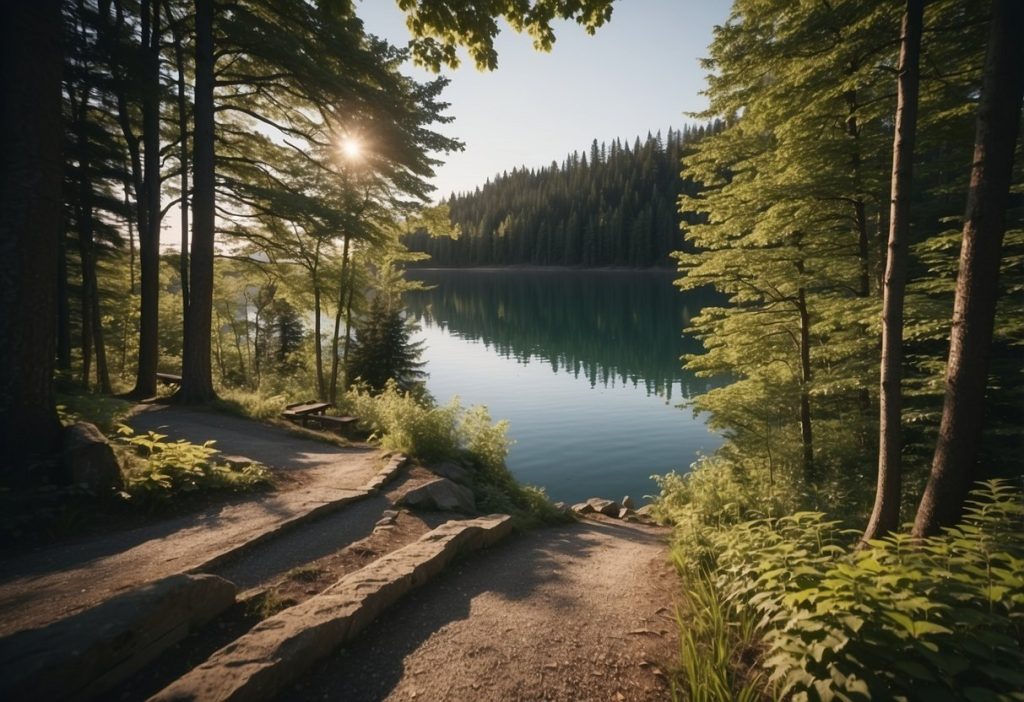
Canada offers a multitude of camping options suited for seniors, featuring serene lakeside spots, majestic mountains, and lush forests. Whether one is looking for the tranquility of British Columbia’s natural landscape, the rich wilderness of Ontario’s parks, the charm of the Atlantic coastline, or the expansive beauty of the prairie provinces, there is a campground to suit every preference.
British Columbia’s Natural Wonders
In British Columbia, seniors can find a pleasant balance of accessibility and natural beauty. Alice Lake Provincial Park is noteworthy, nestled just north of Squamish, offering well-maintained sites among towering forests and a placid lake perfect for canoeing or fishing. Meanwhile, on Vancouver Island, the verdant landscapes and sandy beaches provide an idyllic backdrop for campers at Green Point Campground, where one can savor the ocean vistas and perhaps spot whales breaching in the distance.
Essential campgrounds in British Columbia:
- Alice Lake Provincial Park: Ideal for tranquil forest camping by a serene lake.
- Vancouver Island: Green Point Campground for beach camping and ocean views.
Exploring Ontario’s Provincial Parks
Ontario beckons with its extensive network of provincial parks. In the iconic Algonquin Provincial Park, campsites like those at Lake of Two Rivers offer serene views and are a gateway to winding trails and wildlife sightings. Further north, Killarney Provincial Park provides the stunning George Lake Campground, where seniors can enjoy canoeing in sapphire waters surrounded by the white quartzite of the La Cloche Mountains.
Must-visit campgrounds in Ontario:
- Algonquin Provincial Park: Lake of Two Rivers for classic Canadian shield scenery.
- Killarney Provincial Park: George Lake Campground nestled in a spectacular landscape.
Atlantic Canada’s Coastal Retreats
The Atlantic provinces invite campers to scenic coastlines and highland landscapes. Cape Breton Highlands National Park in Nova Scotia is a gem along the famous Cabot Trail, with campgrounds like Chéticamp and Broad Cove that offer easy access to hiking paths and panoramic ocean views.
Top campground sights in Atlantic Canada:
- Cape Breton Highlands National Park: Campgrounds along the Cabot Trail for coastal beauty and highland vistas.
Prairie Provinces’ Unspoiled Landscapes
In the heart of the prairie provinces, seniors can encounter diverse ecosystems and untouched nature. Riding Mountain National Park in Manitoba provides verdant meadows and aspen forests, with Wasagaming Campground as a perfect base for exploring the surrounding wildlife. To the west, Grasslands National Park in Saskatchewan offers a rare glimpse into the prairie’s untouched wilderness, where one can camp under vast, starlit skies.
Unmissable campgrounds in the prairie provinces:
- Riding Mountain National Park: Wasagaming Campground for lush meadows and forest.
- Grasslands National Park: Camp under one of the darkest skies in Canada for a star-gazing spectacle.
Outdoor Activities Tailored for Seniors
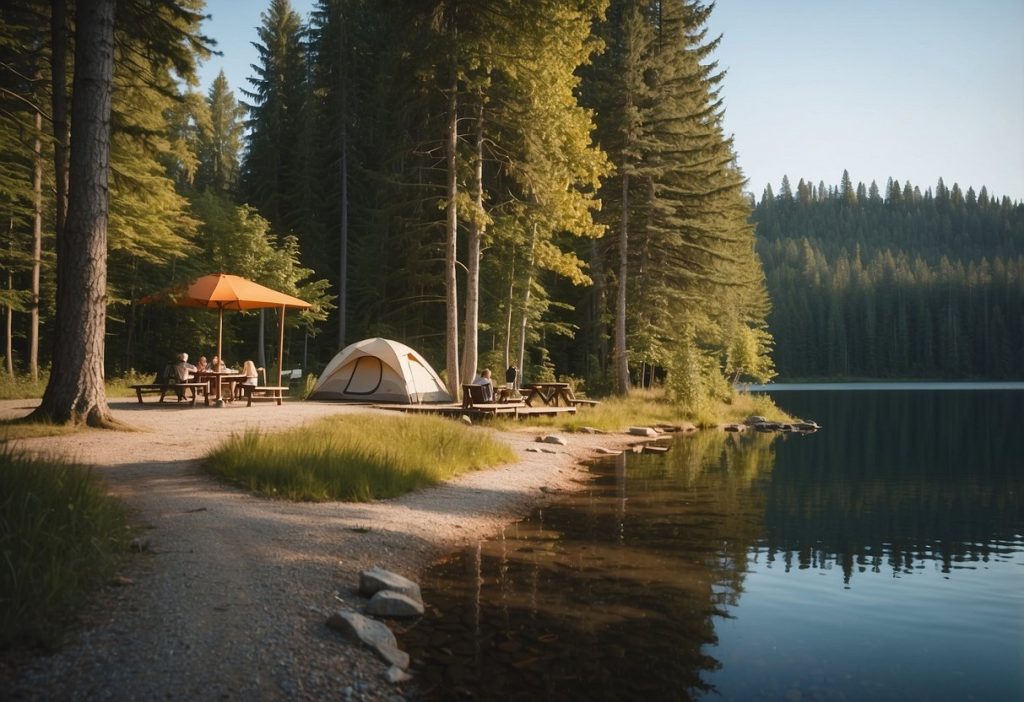
Engaging in outdoor activities offers seniors the perfect blend of leisure and exercise, providing options that are both invigorating and calming amidst nature’s serenity.
Gentle Hiking and Wildlife Watching
Seniors may find the gentle trails in Canada’s national parks both accessible and enchanting. For instance, the flat terrain of Prince Edward Island National Park caters well to leisurely strolls where one can observe local wildlife. Bird enthusiasts will delight in the variety of species that can be spotted, from the majestic bald eagle to the melodic songbirds.
Wildlife Watching Tips:
- Best Time: Early morning or dusk for peak animal activity
- Gear: Binoculars for a closer look at birds and distant wildlife
- Safety: Stay on marked trails to preserve the ecosystem and personal well-being
Fishing and Boating for Relaxation
For those who prefer the tranquillity of water, Canada boasts countless lakes and rivers that are perfect for fishing and boating. Gentle boating excursions on a calm lake can be an excellent way for seniors to enjoy the outdoors while seated, and fishing offers a peaceful retreat, perhaps alongside the lush banks of the Rideau Canal in Ontario.
Essentials for a Fishing Trip:
- Licence: Ensure you have a valid fishing licence
- Equipment: Lightweight rod, tackle, and a comfortable chair
- Catch and Release: Consider practicing catch and release to maintain fish populations
Beach Activities and Coastal Exploration
Canada’s coasts are lined with spectacular beaches that offer more than just sunbathing. At Sandy Beach in Alberta, for example, seniors can participate in gentle beachcombing, searching for treasures along the shore, or simply appreciate the beauty of the coastal landscape.
Coastal Exploration Suggestions:
- Beach Walks: Low-impact exercise on the sand
- Shell Collecting: Gather and identify different types of seashells
- Accessibility: Some beaches offer boardwalks for easier mobility
Camping Essentials for Seniors
For senior campers, comfort and practicality take precedence. The right gear and clothing, along with a well-thought-out meal plan, ensure an enjoyable camping experience.
Must-Have Gear for Comfort and Convenience
When it comes to camping gear, selecting the right items can make all the difference. A sturdy tent with ample room allows seniors to move around easily and stand up straight, avoiding the need to crouch. A quality sleeping bag suited for the season can provide the necessary warmth and comfort during chilly nights. Seniors should consider one with a higher insulation rating to ensure they stay cosy.
Accessibility of gear is also paramount. Opting for sleeping pads or air mattresses can provide that extra layer of support and cushioning for a good night’s sleep. A camp stove is a must for preparing hot meals conveniently, and a lightweight, portable table and chairs offer a comfortable dining setup.
Bold the essentials:
- Tent
- Sleeping bag
- Sleeping pad or air mattress
- Camp stove
- Portable table and chairs
Outdoor Clothing and Protection
Dressing appropriately for the outdoors is vital. A wide-brimmed hat is essential for protection against the sun. Seniors should invest in high-quality, moisture-wicking fabrics that keep them dry and comfortable. Layers are key, so including items like fleeces or light jackets can help them adapt to changing temperatures. Protection from insects like mosquitoes is often overlooked, so a good insect repellent and clothing treated to deter bugs are practical choices.
For safety and navigation, a compass should always be part of their kit, especially for those who enjoy hiking or walking in less familiar areas.
Italicize clothing for emphasis:
- Wide-brimmed hat
- Moisture-wicking fabrics
- Fleece or light jacket
- Insect repellent
- Compass
Meal Planning and Campsite Cooking
Senior campers should prioritize meal planning to ensure they have a well-rounded diet that’s easy to prepare at the campsite. Preparing meals that can be easily cooked on a camp stove will save time and energy. Packing non-perishable food items like nuts, granola bars, and dried fruits is beneficial for snacking and energy boosts throughout the day.
A list for quick reference:
- Durable cookware suitable for a camp stove
- Nutritious and easy-to-cook food items (e.g., instant oatmeal, soups, pasta)
- Non-perishable snacks (e.g., nuts, granola bars, dried fruits)
- A cooler or ice packs to keep perishable items fresh
Seniors should also remember to pack enough water and familiarize themselves with campsite sources for replenishing their supply.
Accessibility and Mobility at Campsites
Canadian campgrounds offer a variety of accessible amenities to accommodate senior campers with mobility concerns, ensuring a comfortable outdoor experience.
RV and Trailer Camping Options
Campgrounds across Canada provide RV and Trailer sites that are designed with accessibility in mind. These sites typically feature firm, level ground and sufficient clear space surrounding RV pads. For seniors opting for RV camping, many parks ensure that hookups, such as electricity and water, as well as fire pits, are conveniently positioned and easily accessible. Some examples include Gros Morne National Park, where one finds wheelchair-accessible campsites.
- Accessible Facilities: Parks frequently offer wheelchair-friendly showers and washrooms, positioned in close proximity to RV sites. A campsite’s accessibility is enhanced by pathways that are smooth and well-maintained.
- Hot Showers: Many accessible RV sites are accompanied by amenities like hot showers, which adhere to the standards prescribed by the Americans with Disabilities Act (ADA), making them suitable for seniors with mobility needs.
Walk-In Sites and Yurts Accommodations
For seniors who prefer a more traditional camping experience with tents or seek the comfort of Yurts, accessibility is still a top priority. Walk-In Sites often provide sturdy paths to accommodate both wheelchairs and walkers, ensuring seniors can access tenting areas with ease.
- Tents: Parks offer accessible facilities near tent sites, such as paved paths and raised platforms, to facilitate mobility for seniors.
- Yurts: Many parks also feature Yurts as an accommodation option, providing a more home-like environment within the natural setting. These Yurts are generally accessible, with ramps or low thresholds for ease of entry.
Wheelchair-accessible washrooms and showers nearby contribute to a more comfortable and worry-free camping experience for all seniors, regardless of their preferred accommodation style.
Nature and Education Programs
Canadian camping grounds offer an array of programs that allow seniors to connect with nature, enhance their knowledge of local ecosystems, and indulge in creative pursuits amidst stunning scenery.
Interpretive Trails and Nature Talks
Many camping grounds across Canada provide interpretive trails that wind through diverse landscapes. Seniors can partake in guided nature walks where knowledgeable staff discuss the local flora and fauna. National parks, often at the forefront of these programs, integrate educational signage along trails, fostering a deeper understanding of the surrounding wildlife and habitats.
Examples of Activities:
- Guided walks discussing ecological conservation and species in community parks.
- Self-guided trail tours with pamphlets detailing the significance of regional plants and animals.
Stargazing and Northern Lights Displays
The pristine wilderness of Canadian campgrounds is perfect for astronomy enthusiasts. Organized stargazing events cater to those interested in the celestial. In particular, the northern regions provide a breath-taking backdrop for the Northern Lights. Some locations offer talks that explain the science behind these natural phenomena, elevating the experience from mere observation to an informative session.
Best Times and Locations:
- Autumn and winter months for clear skies.
- Remote camping areas away from city lights to witness the full splendour of the night sky.
Photography Workshops and Art Programs
Camping grounds in Canada often host workshops focusing on capturing the beauty of the natural world. Photography workshops, led by professionals, can impart techniques on how seniors can preserve their memories in striking images. Additionally, art programs encourage them to interpret the vast landscapes, serene lakes, and local wildlife through their creative lens.
Workshop Features:
- Techniques for outdoor photography, including lighting and composition.
- Art classes, held outdoors, that harness the inspiration of nature in various mediums.
Choosing the right season for camping can greatly enhance the experience for seniors. Warm summer months offer the perfect conditions for outdoor adventures, while the off-season poses unique opportunities and challenges that need careful consideration.
Summer and Fall Camping Advantages
In the summertime, campers can enjoy the longest days of the year, which provides ample time for a plethora of activities like paddling, canoeing, and exploring Canada’s backcountry. The weather during this season is typically warm and welcoming, making it ideal for seniors who appreciate the ease of access to some of the best campgrounds in Canada without the chill of the other seasons.
Come fall, the air is crisp and the foliage is stunning with vibrant colours. This is the perfect time for seniors to enjoy the outdoors without the bustle of the peak summer crowds. Additionally, many campgrounds still offer full services and the cooler weather is perfect for hikes and wildlife observation.
Off-Season Considerations for Spring and Winter
Spring in Canada is a transition period with variable weather conditions, ranging from late snowfalls to rainy days. Seniors interested in camping during this season should be prepared for mud and cooler nights. It’s not the prime time for canoeing or paddling due to cold water temperatures and potential ice on the waterways.
Winter camping, while not for every senior, presents a unique adventure for the intrepid. The snow-clad landscapes are breathtaking and offer opportunities for snowshoeing and cross-country skiing. However, most campgrounds close or offer limited services during this season, and seniors must be prepared for the challenges of cold-weather camping, which requires specialized gear and skills.
Eco-Friendly Camping Practices
Campgrounds across Canada are adopting eco-friendly practices, ensuring seniors can enjoy their camping experiences while preserving the beauty of Canada’s natural landscapes. These methods emphasize the importance of conservation and responsible recreation at sites, incorporating respect for wildlife and the philosophy of leaving no trace behind.
Leave No Trace Principles
In every camp, it’s paramount that visitors adhere to the Leave No Trace Principles. These standards are not just guidelines; they are a set of ethics to ensure campers have a minimal impact on the environment. When seniors set out for a serene retreat among nature, they should plan to each leave the campsites as they found them, if not in better condition.
To practice these principles, one should:
- Plan ahead and prepare: Research and respect the regulations of the campgrounds. Prepare for extreme weather and emergencies.
- Travel and camp on durable surfaces: Use established trails and campsites. Keep campsites small to minimize environmental impact.
- Dispose of waste properly: Pack out all trash, leftover food, and litter. Utilize recycling bins if available.
- Leave what you find: Preserve the past. Do not touch cultural or historic structures and artifacts.
- Minimize campfire impacts: Use a lightweight stove for cooking and enjoy a candle lantern for light.
- Respect wildlife: Observe wildlife from a distance and never feed animals.
- Be considerate of other visitors: Respect fellow campers and protect the quality of their experience.
Wildlife Preservation and Habitat Respect
To revel in the splendour of Canada’s wildlife, campsites must be havens for the creatures that inhabit them. Campers can play a substantial role in Wildlife Preservation and Habitat Respect—key actions that ensure the sustainability of these treasured areas.
Seniors should be vigilant in their efforts to:
- Keep wildlife wild: Avoid feeding animals to prevent habituation.
- Store food securely: Use bear-proof containers to protect both wildlife and human visitors.
- Control pets: Keep them on a leash to prevent them from chasing or disturbing wildlife.
- Stay on paths: Roaming off the beaten paths can damage plants and small habitats.
- Use eco-friendly products: Whether it’s biodegradable soap or solar-powered lights, select products that won’t harm the environment.
Embracing eco-friendly camping practices ensures that these sites remain vibrant and rich in nature for future generations to enjoy.
Making the Most of Your Camping Trip
For seniors embarking on a camping trip across Canada’s stunning landscapes, planning and community engagement are essential components. They not only enrich the experience but ensure the journey is as rewarding as the destination.
Planning Itineraries and Activities
When seniors craft their itineraries, consideration of their physical capabilities and interests is central. Canada’s national and provincial parks often provide a variety of recreation sites to cater to different levels of activity. Jasper National Park in Alberta, for example, offers gentle hikes alongside more challenging trails. Additionally, bird watching or fishing in places like Algonquin Provincial Park in Ontario can be quieter yet equally fulfilling activities.
Sample Itinerary for Algonquin Provincial Park:
- Morning: Gentle hike on the Beaver Pond Trail
- Afternoon: Picnic at Tea Lake Dam Picnic Area
- Evening: Stargazing session at the Visitor Centre Observatory
Incorporating rest days and selecting the right camping gear can also contribute to a successful outdoor adventure. Lightweight chairs and portable cooking equipment make the experience more comfortable.
Connecting with Local Communities
Interacting with local communities provides a deeper understanding of each region’s culture. Campers can visit local markets to sample regional specialties, which also supports the local economy. For example, a trip to British Columbia’s campgrounds near Okanagan Valley might include a visit to local vineyards, enriching one’s senses and palette.
Community centers and bulletin boards often list events such as workshops, guided tours, or cultural festivals that seniors can partake in. Participating in such events not only supports the community but also enhances the camping trip with unexpected learning experiences and memories.
Stopping Scammers Who Target Seniors
Ontario Over 80 Driving Test Requirements And Renewal Process