

Pneumonia is a respiratory condition that can have a particularly profound impact on elderly populations. This infection inflames the air sacs in one or both lungs, which may fill with fluid or pus, causing a range of symptoms such as coughing, fever, and difficulty breathing. In the elderly, pneumonia can present with less conventional symptoms, such as confusion or acute mental alterations. These symptoms are often the result of the body’s response to the infection and can complicate the recognition and diagnosis of pneumonia in older adults.
The confusion experienced by elderly individuals with pneumonia can be attributed to the body’s systemic response to the infection, which can affect mental function. This is especially significant given that older adults may already have a baseline level of cognitive impairment or other comorbidities that can mask or mimic the symptoms of pneumonia. The atypical presentation, including confusion, alongside the more common respiratory symptoms can lead to diagnostic challenges. Thus, prompt recognition of these atypical symptoms is crucial for effective disease management and recovery.
Highlights
- Pneumonia can cause atypical symptoms like confusion in the elderly, complicating its diagnosis.
- Recognition of non-respiratory symptoms such as confusion is critical in managing pneumonia in older adults.
- Delayed or missed diagnosis of pneumonia in the elderly can have significant health impacts.
Impacts Of Pneumonia
Pneumonia remains a significant health risk, particularly affecting the lungs where it can lead to serious symptoms. Properly identifying the cause and understanding the array of symptoms can assist in the timely care of those afflicted.
Causes And Types Of Pneumonia
Pneumonia is an infection that inflames the air sacs in one or both lungs. It’s caused by a variety of germs, including bacteria, viruses, and fungi. The infection can have multiple origins:
- Community-Acquired Pneumonia: Contracted outside of healthcare settings, often stemming from flu viruses or the common bacterial cause, Streptococcus pneumoniae.
- Hospital-Acquired Pneumonia: Develops during a hospital stay, more resistant to antibiotics.
- Healthcare-Associated Pneumonia: Occurs in other health care settings, like dialysis centers.
- Aspiration Pneumonia: Caused by inhaling food, drink, vomit, or saliva into the lungs.
Signs And Symptoms
The symptoms of pneumonia are numerous and can mimic those of a cold or flu, but they tend to be more severe:
- Fever and chills
- Cough, often producing mucus
- Shortness of breath or difficulty breathing
- Sweating
- Fatigue
- Chest pain that worsens with breathing or coughing
- In some cases, particularly in the elderly, symptoms such as confusion can be a presentation of pneumonia.
Patients should seek medical attention if pneumonia is suspected, especially when symptoms like high fever, rapid breathing, and difficulty breathing are present. Early intervention may prevent complications, particularly in vulnerable populations.
Pneumonia In Elderly Populations
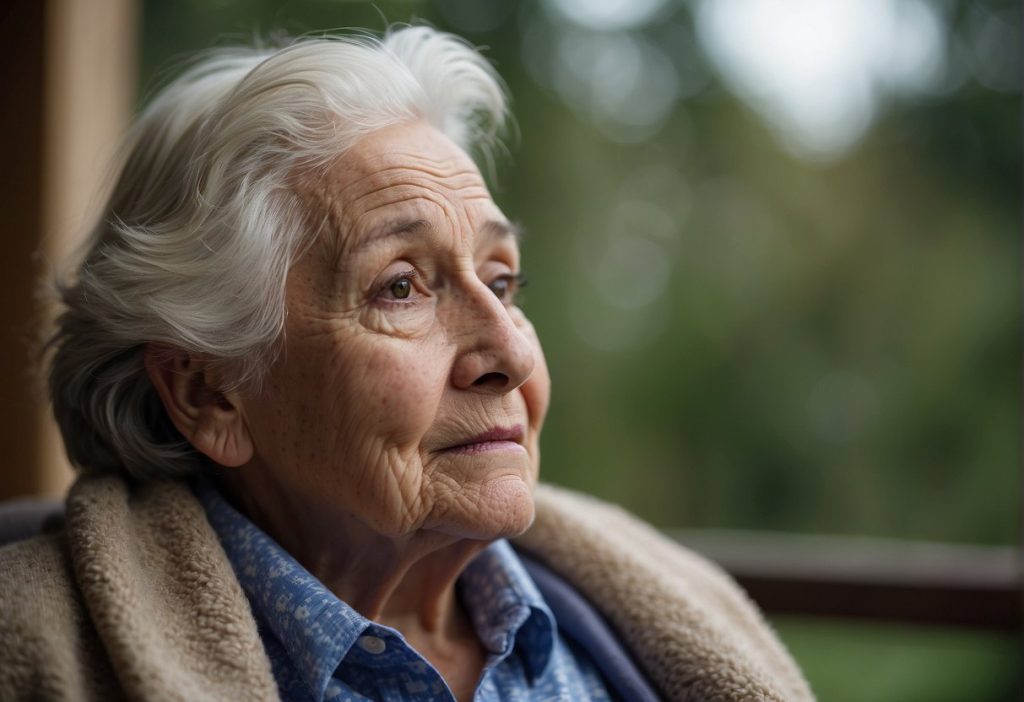
Pneumonia is a significant health concern for older adults due to age-related vulnerabilities, including a weakened immune system and the presence of chronic diseases. Recognizing symptoms like confusion is critical in managing the condition’s severity and preventing complications.
Age-Related Risk Factors
As individuals age, the immune system’s efficacy declines, which increases the susceptibility to infections like pneumonia. Elderly people often have other health problems—such as chronic lung diseases like Chronic Obstructive Pulmonary Disease (COPD) and asthma, heart conditions including heart failure, and diabetes—that compound their risk. These chronic diseases are prevalent risk factors that can predispose older adults to develop pneumonia and influence its severity.
Confusion As A Symptom
Confusion, which can manifest as delirium or acute cognitive impairment, is a symptom uniquely notable in older patients with pneumonia. It’s a departure from mental clarity and can be indicative of the body’s systemic response to the infection. Symptoms such as confusion and cognitive impairment are essential diagnostic markers, as elderly individuals might not present with typical pneumonia symptoms like cough and fever.
Complications and Severity
Pneumonia in the elderly can lead to serious complications, increasing the risk of severe outcomes, including mortality. Respiratory failure, sepsis, and lung abscess are among the life-threatening issues that can arise. Inflammation from pneumonia can exacerbate existing chronic conditions, leading to further health declines. Prompt recognition and treatment are crucial as these complications can escalate quickly, causing significant health deterioration in elderly patients.
Diagnostic Procedures
When diagnosing pneumonia in the elderly, healthcare providers focus on identifying the infection and its causative agents. They seek to understand the relationship between symptoms like confusion and the respiratory condition through a series of targeted examinations and tests.
Initial Assessment
The initial assessment of an elderly patient suspected of having pneumonia starts with a thorough physical examination. Physicians look for signs of respiratory distress, listen for abnormal lung sounds, and evaluate other symptoms such as confusion which may suggest the need for immediate medical attention. This confusion can be a direct result of infections like Streptococcus pneumoniae or Mycoplasma pneumoniae.
- Physical examination may include:
- Inspection for elevated respiratory rate
- Palpation to check for tenderness
- Percussion to reveal fluid in the lungs
- Auscultation for crackles or wheezes
Testing and Culturing
Upon establishing concern through physical assessment, diagnostic precision is pursued through testing and culturing. Blood tests are performed to check for elevated white blood cell counts indicative of infection, while cultures help pinpoint the specific pathogen.
- Blood tests may involve:
- Complete blood count (CBC)
- Blood cultures for bacterial infections
Doctors may also collect samples of spit or phlegm to search for pus or other signs of infection. The analysis of such fluids aids in the establishment of a definitive diagnosis. If pneumonia is confirmed, understanding the causative agent is essential for effective treatment.
- Culturing techniques include:
- Sputum culture to identify the bacteria or virus
- Pleural fluid culture if there is fluid in the lungs
Treatment Strategies

When an elderly patient is diagnosed with pneumonia, they require a strategic approach towards medical interventions and comfortable home care to aid recovery. The goal is to manage symptoms, including confusion, and ensure a steady return to health through a regimen of clinical treatments and at-home care directives.
Medical Interventions
For elderly patients, the mainstay of pneumonia treatment is antibiotics. These are selected based on the likely causative organisms and the patient’s medical history. Hospitalization may be necessary if the individual’s respiratory status is compromised, where they may receive oxygen therapy to maintain oxygen saturation. In severe cases, a respirator could be required. The use of other drugs, including bronchodilators or anti-inflammatory medications, can also be part of the treatment plan to reduce lung inflammation and improve breathing.
- Antibiotics: Often administered empirically based on typical pneumonia pathogens
- Oxygen Therapy: Administered to maintain oxygen levels; often through nasal prongs or a face mask
- Hospitalization: Recommended if the patient requires close monitoring or advanced respiratory support
Home Care and Rest
Upon returning home, the patient’s recovery should continue with adequate rest and monitored fluid intake to stay hydrated and help loosen mucus in the lungs. Over-the-counter (OTC) medications may be used to manage fever and pain, with their use tailored to the individual’s needs and in accordance with a healthcare provider’s instructions.
- Rest: Crucial for recovery, allowing the body to direct energy toward fighting the infection
- Fluid Intake: Encourages thinning of spit (sputum) to be coughed out, promoting clear airways
- OTC Medications: Useful for reducing discomfort from fever and aiding better rest
Elderly patients should always be monitored for signs of improvement or worsening symptoms, and caregivers should be prepared to follow up with medical professionals if recovery stalls or confusions persist.
Preventing Pneumonia in Older Adults

Pneumonia prevention in older adults involves timely vaccinations and maintaining a healthy lifestyle to bolster the immune system. These strategies are crucial since weakened immune systems are more susceptible to infections.
Vaccinations and Immunization
Vaccinations play a pivotal role in protecting older adults from pneumonia. Two key types of vaccines are recommended:
- Influenza vaccine: This vaccine should be administered annually, as influenza can lead to pneumonia by compromising the respiratory system.
- Pneumococcal vaccines: There are typically two types of pneumococcal vaccines that are administered:
- Pneumococcal conjugate vaccine (PCV13 or Prevnar 13)
- Pneumococcal polysaccharide vaccine (PPSV23 or Pneumovax 23)
A combination of these vaccines provides comprehensive coverage against pneumococcal bacteria, a common cause of pneumonia.
Healthy Lifestyle Choices
A healthy lifestyle can reduce the risk of pneumonia by keeping the immune system strong. Here are specific actions that older adults can adopt:
- Avoid Smoking: Smoking damages lung tissue and reduces the lungs’ ability to fight off infections.
- Moderate Alcohol Use: Excessive alcohol use can weaken the immune system, making it easier for pneumonia to develop.
- Regular Exercise: Physical activity can strengthen the body, including the immune system, which can prevent infections from taking hold.
By focusing on these interventions, older adults can significantly reduce the risk of developing pneumonia.
When to Seek Medical Help
In the case of pneumonia in the elderly, it is crucial to recognize when to seek medical attention. Pneumonia can present with various symptoms, among which confusion or changes in mental status in an elderly person should prompt immediate concern. This is particularly urgent if the confusion is a new development or is accompanied by other telltale symptoms of pneumonia.
Key symptoms to watch for include:
- A fever, which may be subtle or high-grade
- Increased coughing that may produce phlegm
- Rapid breathing or difficulty breathing
One should not hesitate to contact a healthcare provider if an elderly individual shows any of these symptoms, especially if they appear suddenly or seem to worsen quickly.
The following signs indicate that immediate hospitalization may be necessary:
| Symptom | Significance |
|---|---|
| Persistent fever | Could indicate the body’s response to infection |
| Severe confusion | May be a sign of reduced oxygen and systemic infection |
| Breathing trouble | Suggests the lungs may not be functioning properly |
| Marked coughing | Could aggravate the respiratory condition and fatigue |
Any instance of health decline in the elderly, like onset of confusion or breathing issues, should be evaluated by a healthcare professional promptly. They can assess whether hospitalization is warranted to provide appropriate care and prevent complications.
Remember, pneumonia can be serious in older adults, and timely medical help is key in ensuring the best possible outcome.
Supporting Recovery
During the recovery phase, attentive care is essential to manage both the primary infection and the secondary effects, such as confusion in elderly patients recovering from pneumonia. Adequate nutrition and hydration, along with diligent follow-up care, are pivotal to a patient’s recuperation.
Nutrition and Hydration
Proper nutrition is crucial for strength and immune system function, particularly when the body is healing. A balanced diet rich in vitamins and minerals supports the recovery process. Care providers should encourage:
- Protein-rich foods to aid tissue repair
- Antioxidant-rich fruits and vegetables to combat inflammation
- Whole grains for sustained energy
Hydration is equally essential. Elderly patients should be encouraged to drink fluids regularly, as adequate hydration helps to clear lung secretions and reduce the risk of further infections.
Follow-Up Care
Rest is fundamental to recovery, but so is a gradual return to physical activity. Physical therapy might be beneficial for regaining strength and mobility.
Follow-up appointments are vital to monitor the patient’s progress and to adjust care plans as needed. Key aspects of follow-up care include:
- Regular check-ins to assess lung function and cognitive health
- Monitoring for any signs of relapse or complications
- Adjusting medications or treatments based on recovery progress
Attending to these details ensures a smoother recovery and helps in preventing future health complications.
Understanding The Impact Of Comorbidities
When elderly individuals face pneumonia, it’s crucial to consider existing chronic diseases and cognitive impairments. These factors can significantly influence both the onset and progression of pneumonia and its related complications, such as confusion.
Chronic Diseases And Pneumonia Risk
Elderly patients frequently combat various chronic conditions that elevate their susceptibility to pneumonia. Diseases such as chronic obstructive pulmonary disease (COPD), asthma, heart failure, and diabetes can impair the body’s defence mechanisms against infections, making it easier for pneumonia to take hold.
- COPD and Asthma: Both conditions cause airway inflammation and increased mucus production, creating an environment conducive to bacterial growth leading to pneumonia.
- Heart Failure: It can lead to fluid accumulation in the lungs, a condition known as pulmonary edema, increasing pneumonia risk.
- Diabetes: This affects the immune system, slowing down the response to infection and often leading to more severe respiratory conditions when pneumonia ensues.
Cognitive Impairments And Illness
Cognitive conditions such as dementia and delirium are crucial to consider in the context of pneumonia. Patients with cognitive impairments may struggle to communicate symptoms effectively, and signs of pneumonia, like confusion and wheezing, can be mistaken for a progression of their underlying condition.
- Dementia: Patients may have difficulty adhering to treatment for pneumonia, and symptoms such as confusion can exacerbate already existing cognitive decline.
- Delirium: An acute cognitive issue often superimposed on dementia; pneumonia can precipitate an episode, which manifests as severe confusion and disorientation.
The interplay of these comorbidities and infections like pneumonia can precipitate severe events such as stroke due to the increased strain on an elderly individual’s body. Knowing the risks and interconnections helps in providing targeted care and preventing complications.
Pneumonia In The Elderly
Pneumonia in the elderly often presents with unique symptoms beyond the common respiratory issues. Confusion, or acute mental changes, stands out as a significant clinical feature. The onset of confusion in these patients may signal the presence of pneumonia and requires immediate medical attention.
Recovery processes for the elderly may include a multifaceted approach, focusing not only on treating the pneumonia but also addressing the secondary effects such as confusion. Healthcare providers must monitor cognitive function throughout the treatment phase.
Preventive measures are essential in reducing the risk of pneumonia and its associated confusion in the aged population. These may include:
- Vaccinations: Strengthening immunity against common strains of bacteria and viruses known to cause pneumonia.
- Nutrition: Maintaining a balanced diet to support overall health.
- Hygiene practices: Regular handwashing and avoiding contact with sick individuals.
Families and caregivers must be vigilant for symptoms to ensure prompt treatment and improve outcomes for elderly individuals afflicted with this condition.
0 responses