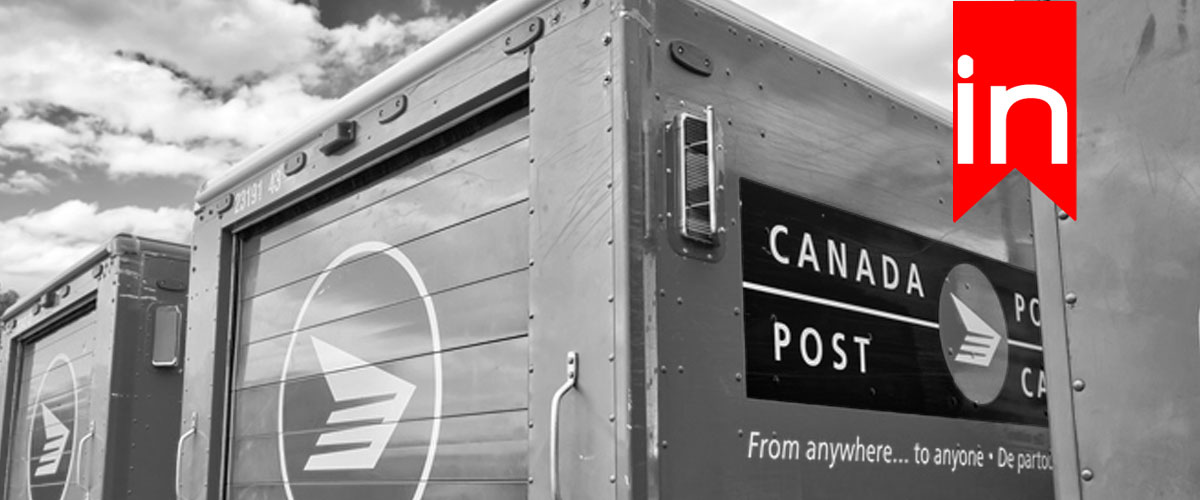
The federal government’s authorization for Canada Post to end home delivery has sparked significant concern among Canadian seniors who depend on door-to-door mail service. This sweeping change will affect four million addresses across the country, converting them to community mailbox systems as part of broader cost-cutting measures designed to address Canada Post’s financial challenges.
Many elderly Canadians face unique obstacles with this transition, particularly those dealing with mobility limitations and technology gaps. The shift presents challenges for seniors who rely on traditional mail delivery for essential services like bill payments, especially those who prefer physical mail over digital alternatives due to security concerns or lack of technological access.
Highlights
- The end of home delivery will require millions of Canadians to adapt to community mailbox systems despite potential mobility challenges
- Many seniors express concerns about accessing mail during harsh weather conditions when travelling to community boxes becomes difficult
- The transition highlights a growing divide between those comfortable with digital services and those who rely on traditional mail systems
‘There’s no distance that’s a good distance’
The shift to community mailboxes presents significant challenges for Canadians with mobility limitations and disabilities. Physical barriers become insurmountable obstacles when residents must travel even short distances to collect their correspondence.
Weather conditions compound accessibility issues:
- Snow-covered pathways during winter months
- Icy surfaces creating safety hazards
- Extreme temperatures affecting those with health conditions
Allen Mankewich from the Manitoba League of Persons with Disabilities emphasizes that accessibility concerns remain unchanged since community mailboxes were first introduced. For individuals with severe mobility restrictions, even minimal distances become impossible barriers.
The stakes extend beyond mere inconvenience. Essential communications including government benefit payments and medical appointment notifications still arrive through postal services. Delayed access to these materials can disrupt healthcare schedules and financial stability for vulnerable populations.
Canada Post maintains a delivery accommodation programme designed to address these challenges. Eligible customers can request modified delivery arrangements, with some qualifying for continued home delivery when community mailboxes remain inaccessible.
Current accommodation options include:
- Personalised delivery arrangements
- Alternative pickup locations
- Extended home delivery services
Federal accessibility legislation requires Canada Post to provide services that accommodate diverse needs. This legal framework ensures that postal modernisation efforts must consider the requirements of all Canadians, particularly those facing mobility and accessibility challenges.
Electronic Service Options
Many older Canadians express acceptance of the transition away from traditional mail delivery methods. An 81-year-old resident explains that most correspondence now arrives through electronic channels, with billing statements delivered via email and personal communications shifting from physical greeting cards to digital formats.
Consumer patterns have evolved significantly over recent decades, reducing reliance on physical mail services. Canadians increasingly manage daily tasks through online platforms for financial transactions, retail purchases, personal communications, and utility account management. This behavioral shift diminishes the necessity for traditional postal delivery methods.
Key Digital Services Include:
- Online banking and bill payment systems
- Electronic retail and e-commerce platforms
- Digital communication tools and messaging
- Web-based utility management portals
- Electronic document delivery services
The widespread availability of digital banking services provides accessible alternatives for seniors adapting to these changes. Electronic tools offer convenient access to essential services without requiring physical mail delivery.
Operational efficiency could improve through reduced delivery frequency, with weekly schedules potentially meeting current postal needs more effectively than daily service. Current statistics indicate that 75% of Canadians already receive mail through community boxes, apartment collection points, or rural delivery stations. Only 25% continue receiving door-to-door service.
Converting the remaining 4 million addresses to community mailbox systems would generate approximately $400 million in annual savings for postal operations, demonstrating the financial benefits of modernizing delivery methods.
Stopping Scammers Who Target Seniors
Ontario Over 80 Driving Test Requirements And Renewal Process