

Falls with the elderly are common and a significant concern because they can reveal or worsen complex health issues. When an elderly individual experiences a fall, identifying symptoms promptly is vital. This aids in quick intervention and potentially mitigates the severity of the consequences. The spectrum of symptoms post-fall can range from apparent physical injuries like bruises and fractures to more subtle signs such as sudden incontinence, which could suggest internal trauma.
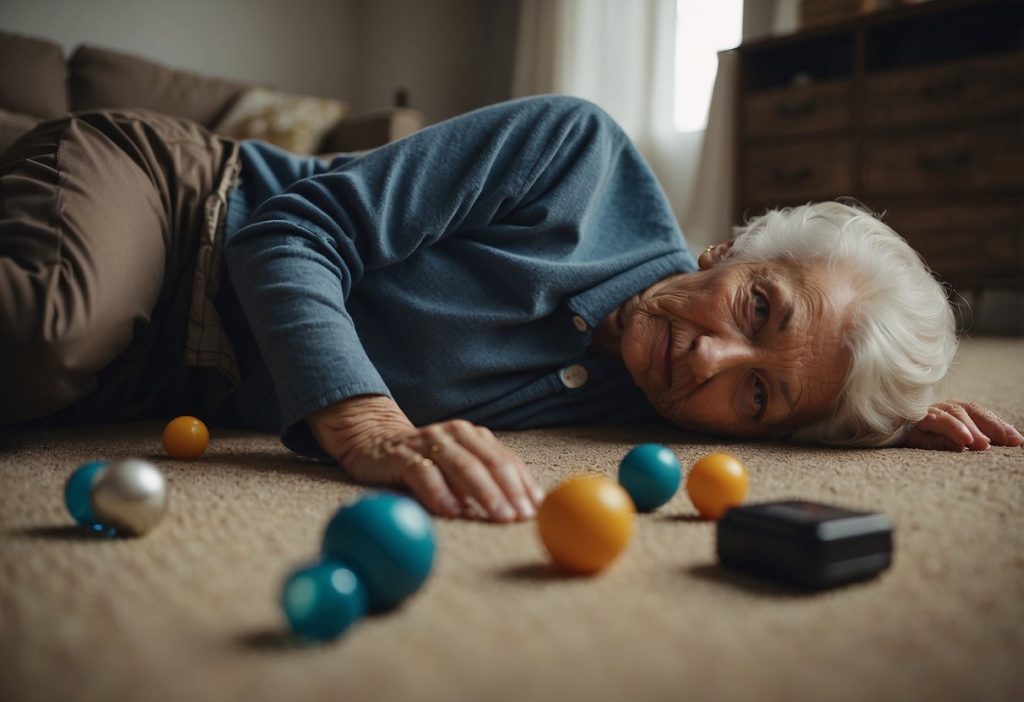
It’s crucial to observe for any changes in an elder’s condition following a fall, including cognitive shifts or physical impairments. Some individuals may show immediate signs such as difficulty in standing, walking, or expressing themselves, while others may display delayed symptoms including muscle weakness or balance issues. A thorough medical evaluation is imperative to address any immediate healthcare needs and to develop a plan to prevent future incidents. Caregivers should also be aware that falls can have psychological impacts on the elderly, such as fear of falling again, which can adversely affect their willingness to engage in daily activities.
Highlights
- Swift identification of symptoms after an elderly fall can lead to prompt medical intervention.
- A broad range of symptoms including physical, cognitive, and psychological changes should be monitored.
- Addressing the health and safety concerns post-fall is integral to the elderly’s recovery and prevention of future incidents.
Understanding Elderly Falls
Elderly falls are incidents that can’t be overlooked as they may signal underlying health issues or environmental risks. These falls often result in a spectrum of injuries and can have an impact on an individual’s independence and quality of life.
Depicting Elderly Falls
An elderly fall can be classified as an unplanned descent to the floor or another lower level, with or without injury to the person. These occurrences are particularly concerning for individuals aged 65 and above, as they can lead to serious outcomes such as fractures, head traumas, and decreased mobility.
Common Causes And Risk Factors
Numerous elements contribute to the likelihood of falls among the elderly. Physical factors include balance impairment, muscle weakness, and vision deterioration. Additionally, the side effects of medications may increase fall risk, as some can cause dizziness or drowsiness.
Environmental causes are also paramount. Tripping hazards such as loose rugs, clutter, and uneven surfaces often precipitate falls. Poor lighting can obscure vision, making it difficult to navigate safely. Furthermore, inappropriate footwear that does not provide adequate support or has slippery soles can enhance the risk.
In the context of fall prevention, these risk factors should be addressed through regular health assessments, home safety evaluations, and appropriate lifestyle modifications.
Immediate Actions Post-Fall
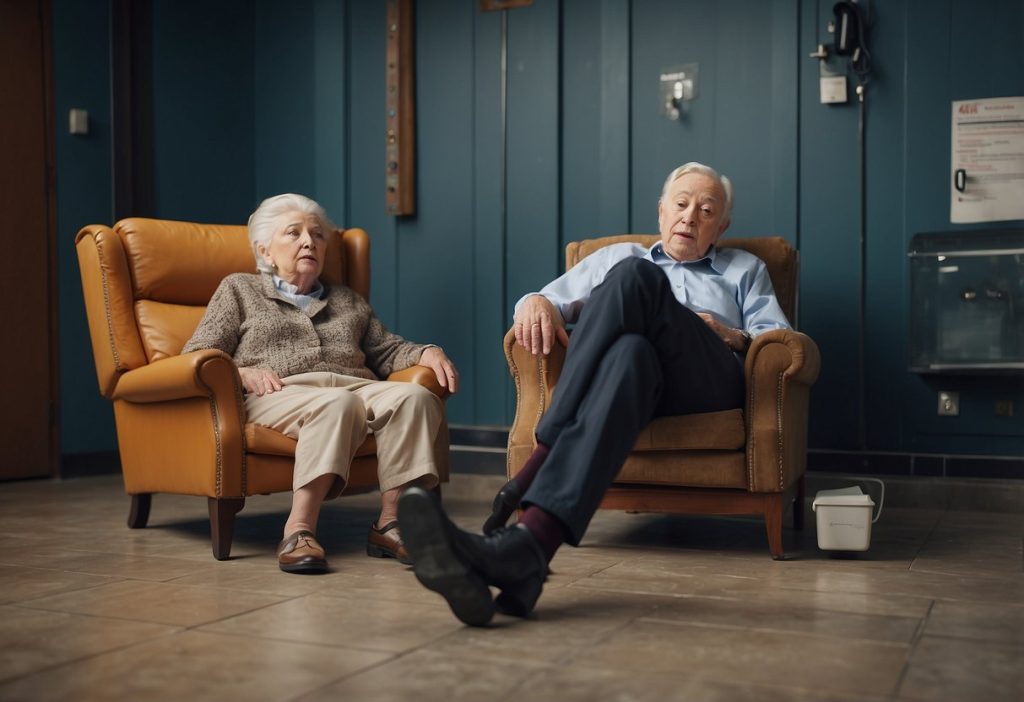
After an elder experiences a fall, one must assess for any immediate dangers and determine the necessity for urgent medical intervention.
Initial Assessment
One should first check if the individual is conscious and oriented. Assess for symptoms such as pain, particularly in the hip or back, as well as any head injuries that may be indicated by confusion or a headache. Look for visible signs of injury like bruises or bleeding. It’s important to encourage the individual to remain still while a thorough assessment is undertaken.
When To Seek Medical Attention
Medical attention is imperative if the individual has a loss of consciousness, even briefly, or if there is evident severe pain suggesting a possible fracture. Any signs of a serious head injury, such as disorientation or an inability to recognize people or places, require immediate examination by a doctor. If the individual cannot support weight on a limb, or if there is significant swelling or deformity, visit the emergency room or call for emergency response without delay.
Medical Evaluation And Treatment
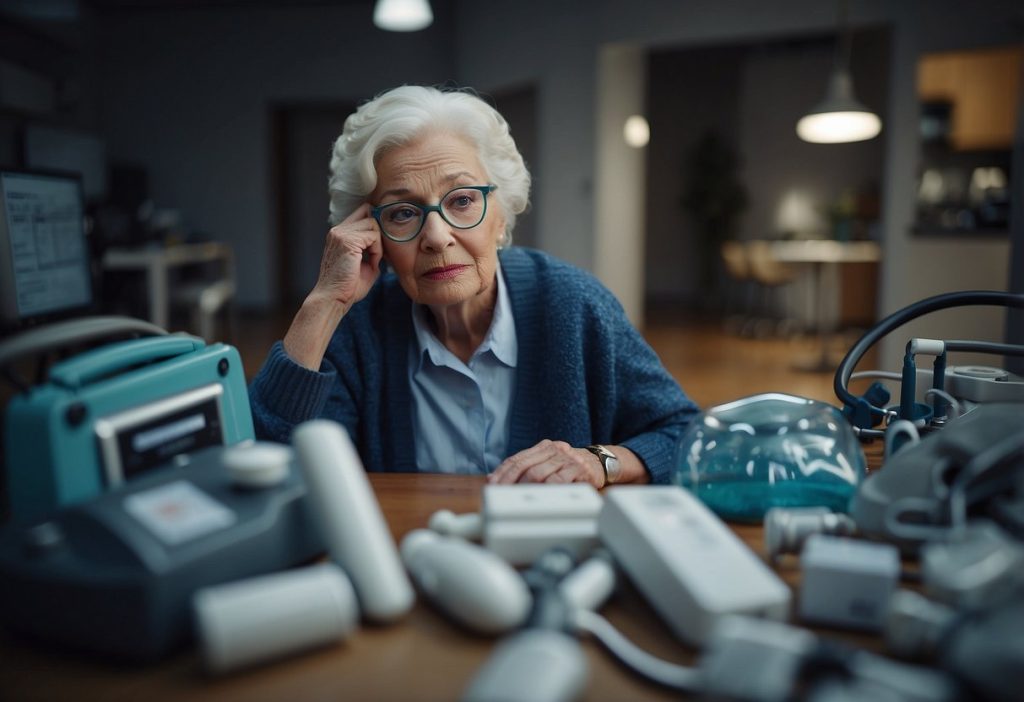
After an elderly individual experiences a fall, it is crucial for them to undergo a thorough medical examination to assess for any injuries or complications. Appropriate treatment and rehabilitation can then be tailored to their specific needs.
Professional Diagnosis
A healthcare professional should promptly evaluate an elderly person following a fall. This examination might include a series of blood tests to ascertain if there has been an impact on their blood count or electrolytes like sodium, which could influence their stability and overall health. Imaging tests such as an X-ray or CT scan are pivotal for identifying fractures or a head injury. These scans are detailed enough to detect even minute broken bones that might not be immediately evident.
- CT Scans: Essential for detecting head injuries or brain hemorrhage.
- X-rays: Utilized to confirm fractures, especially in the hips or spine.
If a fracture or a serious head injury is detected, the patient may require surgery to correct the issue and ensure proper healing.
Rehabilitation And Recovery
Once the initial diagnosis is complete, a personalized rehabilitation plan is often developed. This plan may include physical therapy as a cornerstone to regain strength, balance, and mobility. For fractures, the recovery process might entail wearing casts or undergoing specific exercises post-cast removal.
- Physical Therapy: A regimen of exercises designed to restore physical function and strength.
- Recovery from Surgery: In the case of surgical intervention for broken bones, post-operative care will be necessary.
The rehabilitation phase is critical, as it not only aids in recovery but also helps to prevent future falls by improving the individual’s physical capabilities.
Identifying Symptoms And Complications
After an elderly individual has experienced a fall, it is crucial to monitor them for immediate physical symptoms as well as be vigilant about potential long-term complications that could affect their overall health and quality of life.
Physical Symptoms Of Injury
An elderly person who has taken a fall may exhibit a range of physical symptoms that warrant attention. Bruising may not be immediate but can later surface as discoloured areas on the skin, indicating trauma beneath the surface. Swelling can also be a visible sign of injury, often accompanying bruising or sprains. Headaches or dizziness should not be overlooked as they can be indications of a concussion or other head injuries.
The presence of nausea and vomiting could further suggest a concussion or a related injury, and such symptoms should be taken seriously. When an elderly person reports confusion or shows signs of disorientation post-fall, it is essential to consider the possibility of a head injury or other traumatic impact. Lastly, incontinence may emerge as a result of the fall, highlighting the need for medical evaluation.
Potential Long-term Complications
The long-term complications following a fall can be as concerning as the immediate injuries themselves. Persistent issues could include chronic pain from fractures or the exacerbation of pre-existing conditions such as arthritis. A fall can also lead to decreased mobility, which itself poses a risk for further complications, including deep vein thrombosis from prolonged inactivity.
Another concerning long-term complication may be a decline in an individual’s mental health, due to the trauma from the fall or from the reduction in independence and mobility. When an elderly person becomes afraid of falling again, they may limit their activities, which can lead to muscle weakening and a decrease in overall physical health. It’s imperative to assess the elderly patient’s overall physical and mental state to address and manage these possible long-term effects of a fall.
Prevention And Mitigation Strategies
Elderly individuals must prioritize specific strategies in their daily routines to prevent falls. Two crucial aspects involve creating a safe home environment and making lifestyle adjustments that strengthen the body and enhance stability.
Fall Prevention Inside The Home
One’s dwelling should be a haven of safety, where hazards are meticulously minimized. Home safety checks are paramount. They should ensure floors are clear of clutter and create a space conducive to unobstructed movement. Proper lighting is essential to maintain visibility, especially at night. Bathrooms benefit from grab bars and non-slip mats to reduce the risk of slipping on wet surfaces. Rugs must be secured or removed to prevent tripping.
For stairways and hallways, consider installing handrails on both sides. If one wears glasses, ensuring their prescription is current can prevent missteps due to visual impairment. Additionally, keeping frequently used items within easy reach eliminates the need for precarious stretching or bending. Organize the home such that it caters to seamless daily function with safety at its core.
| Home Safety Checklist | Description |
|---|---|
| Clear Pathways | Remove objects obstructing walkways. |
| Secured Rugs | Fix or remove rugs to prevent tripping. |
| Enhanced Lighting | Install bright, easy-to-reach lighting. |
| Accessible Items | Keep daily essentials within easy reach. |
Lifestyle Adjustments To Reduce Risk
A balanced lifestyle fortified with prudent choices can significantly lower the chances of falls. Engaging in regular exercise programs focused on strength and balance plays a crucial role. Activities may include walking, water workouts, or tai chi, as they promote stability and flexibility. The guidance of a healthcare provider is advisable to tailor an exercise regimen suitable for one’s condition.
Proper hydration and nutrition are cornerstones of a healthy lifestyle, especially for the elderly. Adequate hydration is key to maintaining cognitive function and overall physiological balance, while a nutritious diet rich in calcium and vitamin D supports bone health and muscle function. Consideration for assistive devices, when necessary, provides additional support that might prevent a fall.
It’s beneficial to develop a comprehensive plan entailing these strategies. The components form the fabric of a daily routine that affords them protection and peace of mind. A proactive approach can make all the difference, empowering the elderly to maintain independence and vitality.
Dealing With The Psychological Impacts
After a fall, it’s not just the physical injuries that need healing; the psychological impacts are equally significant. Managing emotions such as anxiety and restoring a sense of security in one’s own mobility are important steps on the road to recovery.
Overcoming The Fear Of Falling
Encountering a fall can significantly impact an elderly person’s emotional well-being. Fear of falling again might keep them from engaging in daily activities, even when physically capable. It is important to recognize this fear as a normal response. To help them overcome it, encourage discussion about this fear with caregivers or medical professionals. Creating a safe environment at home, removing tripping hazards, and using supportive devices are practical steps that contribute to reducing anxiety related to falls.
Implementing a structured exercise plan focused on balance and strength can also mitigate this fear. Gentle activities like Tai Chi have been associated with improving not only the physical aspects of balance but also the confidence in one’s mobility.
Boosting Confidence In Mobility
Confidence in mobility is fundamental in preventing falls and recovering from their psychological aftermath. When the elderly express low confidence in their mobility, it is crucial to address these concerns patiently and constructively. A positive approach includes:
- Personalized physical therapy: Developing a tailored exercise regimen that focuses on strength, balance, and flexibility.
- Safe home modifications: Installing grab bars, improving lighting, and securing rugs can enhance feelings of safety.
- Use of assistive devices: Proper use of canes or walkers, after an assessment from a health professional, improves stability during movement.
- Education: Providing information and instruction on how to fall safely, if it happens, can reduce the fear associated with falling.
Support And Resources For Caregivers
Caregivers play a crucial role in the well-being of seniors who have experienced a fall. They require a host of resources to effectively manage the aftermath of such medical emergencies, including education, a safe environment, and reliable emergency systems.
Education On Elderly Falls
Proactive education is the cornerstone of effective caregiving after an elderly individual experiences a fall. Caregiver resources must include:
- Detailed information on common symptoms post-fall, such as dizziness or confusion
- Guidelines for monitoring any changes in the elder’s behaviour or health status
- Techniques for helping the elderly maintain their balance and prevent future falls
Support groups and workshops can be instrumental in providing this knowledge, often offering spaces where caregivers can share experiences and strategies.
Creating A Safe And Supportive Environment
Constructing a secure environment is fundamental for both the senior and the caregiver. A few adjustments to the living space can significantly reduce the risk of falls:
- Removal of trip hazards: Secure rugs, clear walkways, and organize cables neatly.
- Enhanced lighting: Install bright, motion-sensor lights to illuminate pathways at night.
Emergency Planning And Response Systems
When an elderly fall occurs, a swift response can dramatically affect the outcome. Caregivers should:
- Acquire personal emergency response systems that enable immediate assistance at the push of a button.
- Establish a clear emergency plan that includes contact information for healthcare providers and family members.
It is also beneficial to keep a list of the senior’s medical problems and medications readily accessible for first responders.
In Canada, services tailored to caregivers acknowledge the emotional and psychological challenges they may face. Access to these services can help caregivers stay informed and resilient in their critical role.
0 responses