

Sleep is a fundamental aspect of overall well-being, and its importance only grows as individuals enter their senior years. Healthy sleep patterns contribute to physical health, mental acuity, and emotional balance, making it a cornerstone of a senior’s quality of life. Research emphasizes that as seniors age, the structure of sleep changes, often leading to reduced deep sleep and an increase in nighttime awakenings. Despite these changes, the need for restorative sleep remains vital.

In seniors, adequate sleep supports the preservation of cognitive function, aids in the healing process of the body, and maintains the immune system. It also helps in the management of chronic conditions that are prevalent in older age. Unfortunately, sleep disturbances are common among seniors, with factors such as sleep apnea and changes in sleep-wake patterns affecting their ability to obtain restful sleep. Therefore, strategies to optimize sleep quality, including consistent bedtimes, a conducive sleep environment, and professional consultation, become increasingly essential.
Highlights
- Quality sleep is crucial for maintaining various facets of health in seniors.
- Seniors may experience sleep disturbances, but strategies exist to enhance sleep quality.
- Professional guidance can assist seniors in navigating changes in sleep patterns.
Sleep And Senior’s Health
In the golden years, sleep continues to play a vital role in maintaining an individual’s overall well-being, knitting together the fabric of physical, mental, and emotional health.
Aging And Sleep
As individuals age, they often experience changes in their sleep patterns, such as needing more time to fall asleep or waking up more often during the night. It’s important to understand that these changes are a normal part of aging. However, it’s not just the quantity of sleep that matters, but also the quality of sleep. High-quality sleep is restorative and helps seniors to feel refreshed upon waking.
Connections Between Sleep And Physical Health
Adequate sleep is crucial for physical health, especially for older adults. Persistent sleep problems can lead to an increased risk of various health issues, including chronic diseases and cognitive decline. On the flip side, good sleep can boost the immune system, aid in the healing process, and is associated with a lower risk of heart disease and diabetes.
Mental And Emotional Health Benefits
Sleep has remarkable ties to mental and emotional health. In seniors, good sleep quality can enhance memory and concentration, thus reducing the likelihood of cognitive decline. Moreover, proper sleep is associated with improved mood and emotional well-being, contributing to an overall better quality of life. Lack of sleep can exacerbate feelings of depression or anxiety, making restorative sleep an indispensable facet of a well-rounded health regimen for the elderly.
Sleep Disturbances In Older Adults
Sleep disturbances in older adults can significantly affect their health and daily functioning. These disturbances range from difficulty falling asleep to more serious conditions like sleep apnea, as well as nighttime disruptions like nocturia. Additionally, changes in sleep patterns, such as phase advance, can alter a senior’s routine, sometimes exacerbated by shifts like daylight saving time.
Challenges With Insomnia And Sleep Disorders
Seniors often struggle with insomnia and other sleep disorders, which may stem from a combination of factors including health conditions and stress. Insomnia is characterized by difficulty falling asleep or staying asleep, and it isn’t uncommon for older adults to experience fragmented sleep patterns. As one ages, the natural production of melatonin decreases, which can disrupt the body’s sleep-wake cycle. Additionally, certain medications used to treat chronic illnesses in seniors can contribute to insomnia.
- Common Causes of Insomnia in Seniors:
- Reduction in melatonin production
- Medication side effects
- Psychological stressors
- Chronic pain or discomfort
Impact Of Sleep Apnea
Sleep apnea is a serious sleep disorder marked by repeated interruptions of breathing throughout the night. These interruptions can lead to short-term consequences like daytime fatigue and long-term health issues such as cardiovascular problems. Older adults are more susceptible to obstructive sleep apnea due to muscle relaxation in the throat and obesity. Treatment is available and can include lifestyle changes, continuous positive airway pressure (CPAP), or other therapies advised by healthcare professionals.
- Symptoms Of Sleep Apnea:
- Loud snoring
- Gasping for air during sleep
- Excessive daytime sleepiness
Dealing With Nocturia And Phase Advance
Nocturia—the frequent urge to urinate during the night—is a common issue for many seniors, often disrupting sleep. This condition can be attributed to hormonal changes or bladder function issues common in the elderly. Managing nocturia may involve medical intervention and lifestyle modifications, such as reducing fluid intake before bedtime.
Phase advance refers to the tendency for older adults to fall asleep and wake earlier than they did in their younger years. This shift in the sleep cycle is thought to be influenced by changes in light exposure, among other factors. With the introduction of daylight saving time, seniors may find these shifts more pronounced, necessitating adjustments in their daily routines.
- Strategies to Address Phase Advance:
- Adjust light exposure to help reset the internal clock
- Maintain a consistent sleep schedule
- Create a sleep-conducive environment by minimizing distractions
Optimizing Sleep Quality With Age
As individuals age, their sleep patterns can be disrupted, making restorative sleep harder to achieve. Therefore, it is critical for seniors to focus on sleep hygiene practices, develop consistent sleep routines, and manage their exposure to light in order to maintain the production of melatonin and support their circadian rhythms.
Sleep Hygiene
Good sleep hygiene is fundamental for enhancing sleep quality. Seniors should ensure that their sleep environment is conducive to rest, which includes a comfortable mattress and pillows, as well as a cool, dark, and quiet room. The bedroom should be reserved for sleep only, signaling to the brain that it’s time to wind down. Eliminating noise and excess light can significantly improve the quality of sleep.
Establishing A Healthy Sleep Routine
A consistent bedtime routine is instrumental in improving sleep quality. Older adults are encouraged to establish fixed sleep and wake times to synchronize their body’s internal clock. Activities such as reading or listening to calming music can help signal to the body that it’s time to sleep. Additionally, they should avoid stimulants like caffeine and electronics near bedtime, as these can disrupt sleep patterns.
Managing Light Exposure And Melatonin Production
Appropriate light exposure is essential for regulating melatonin production, a hormone critical for sleep. Seniors should seek natural sunlight during the day, which can help maintain a healthy circadian rhythm. As evening approaches, reducing exposure to bright lights, especially blue light from screens, can aid in increasing melatonin levels, making it easier to fall asleep. If necessary, the use of melatonin supplements can be discussed with a healthcare provider to assist in regulating sleep cycles.
Behavioural Factors Influencing Sleep In Seniors

Behavioural factors have a pronounced impact on the sleep quality of seniors. These influences range from the level of physical activity to dietary choices, and even the adjustment to life after retirement.
Effects Of Exercise And Physical Activity
Regular exercise and physical activity can vastly improve sleep quality in seniors. Those who engage in moderate exercise might find an enhancement in sleep duration and quality. A brisk walk or a gentle swim, especially when performed consistently in the afternoon, can establish a beneficial sleep-wake cycle. However, it’s important for seniors to avoid strenuous activities close to bedtime, as they might disrupt rather than encourage restful sleep.
Diet And Nutrition’s Role In Sleep Patterns
What seniors eat can significantly influence their sleep patterns. A diet rich in lean proteins, fruits, vegetables, and whole grains promotes better sleep. Specifically, foods containing melatonin, such as cherries or milk, can act as natural sleep aids. Seniors should limit caffeine and sugar intake, especially late in the day, to avoid sleep disturbances.
Adjusting To Retirement And Sleep Schedule Changes
Retirement can bring about major changes in one’s sleep schedule. Without the structure of a workday, seniors might experience shifts in their sleep habits. It’s essential to establish a consistent sleep routine, even in retirement, to signal the body’s internal clock that it’s time for rest. Creating a serene bedroom environment and sticking to a regular bedtime can play pivotal roles in improving sleep quality.
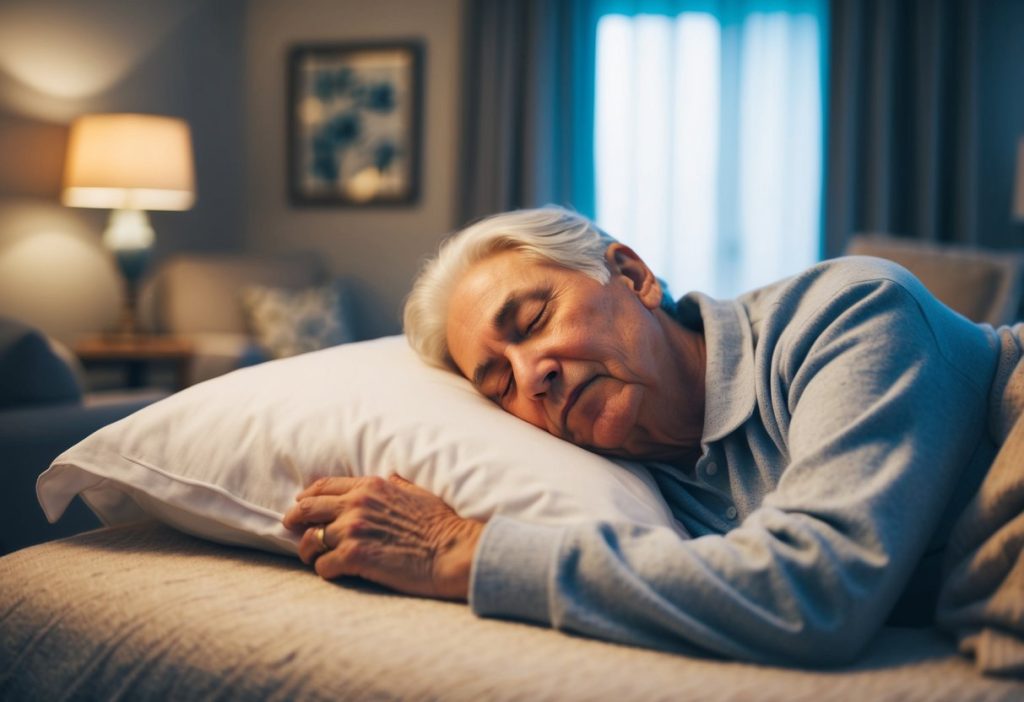
As one ages, they often experience shifts in sleep patterns and quality. It’s essential to grasp these variations, know how to manage disruptions, and understand the specific challenges faced by women going through menopause.
Sleep Architecture And Deep Sleep
Senior individuals may notice changes in sleep architecture, which includes alterations in the stages of sleep. Deep sleep, or slow-wave sleep, is critical because it’s the time when the body repairs itself and consolidates memories. Unfortunately, with age, time spent in deep sleep diminishes. To support healthy sleep architecture, experts suggest maintaining consistent sleep schedules that align with one’s circadian rhythms.
- Strategies to enhance deep sleep:
- Establish a regular bedtime and wake-up routine.
- Create a sleep-conducive environment: cool, dark, and quiet.
- Limit exposure to blue light sources before bedtime.
Daytime Sleepiness And Fragmented Sleep
Many seniors grapple with daytime sleepiness and fragmented sleep. Sleep becomes lighter and more prone to disturbances, resulting in frequent awakenings throughout the night. There are measures one can take to reduce these occurrences, such as:
- Tips for reducing daytime sleepiness and improving sleep continuity:
- Reduce caffeine and alcohol intake, especially later in the day.
- Engage in regular physical activity, but avoid vigorous exercise close to bedtime.
- Incorporate relaxation techniques into the evening routine, such as gentle stretching or listening to calming music.
Link Between Menopause and Sleep Alterations
Women may face additional sleep challenges as they navigate through menopause. Hormonal changes during this time can contribute to sleep issues such as hot flashes and night sweats, leading to disturbed sleep. To address these menopausal sleep alterations:
- Suggestions for women dealing with menopausal sleep issues:
- Use breathable, moisture-wicking bedding and nightwear.
- Keep the bedroom at a cooler temperature.
- Consult with a healthcare provider about symptom management strategies that can improve sleep quality during menopause.
Consequences Of Insufficient Sleep
In seniors, inadequate sleep does not just lead to tiredness; it has tangible effects on their physical health and mental acuity.
Sleep Deprivation And Immune System Vivacity
Adequate sleep is crucial for maintaining a vibrant immune system. Insufficient rest can lead to a weakened defence against infections. Studies report that individuals who do not get enough sleep demonstrate a reduction in the production of cytokines, which are essential in fighting infections and inflammation.
- Key Defence Mechanisms Impacted by Sleep Deprivation:
- Production of white blood cells
- Release of cytokines
- Response to vaccination
The relationship between sleep and immune system fortitude is particularly vital in seniors, who already experience a natural decline in immune efficacy.
Blood Pressure And Type 2 Diabetes
Continual sleep shortage is linked to heightened blood pressure and an increased risk of type 2 diabetes. Sleep plays a role in the body’s ability to regulate hormone levels that influence glucose metabolism and insulin sensitivity.
- Risk factors elevated by Poor Sleep:
- Systolic and diastolic blood pressure
- Insulin resistance
- Glucose intolerance
Each additional hour of sleep may correspond to a steady or decreased probability of developing these conditions, which underscores the importance of the sleep-health nexus.
Cognitive Impairment Tied To Sleep Duration
Sleep duration is directly connected to cognitive function. The aging brain requires sufficient sleep to process information, form memories, and carry out repair functions.
- Cognitive Functions Impacted by Sleep Deprivation:
- Memory consolidation
- Language comprehension
- Information processing speed
- Decision-making ability
Ways To Improving Senior Sleep
Professionals employ a variety of methods to enhance sleep health and address concerns such as excessive daytime sleepiness and restless legs syndrome in seniors. They ensure individuals receive adequate and quality sleep through tailored strategies.
When To Consult A Sleep Specialist
Individuals experiencing persistent sleep disturbances, such as excessive daytime sleepiness or symptoms of restless legs syndrome, should consult a sleep specialist. These professionals are trained to:
- Diagnose sleep disorders: Utilizing tools such as sleep studies to understand the root causes of sleep issues.
- Develop treatment plans: Tailored to individual needs, addressing specific sleep health concerns.
Exploring Sleep Aids And Supplements
While non-prescription options can provide temporary relief, one should use them judiciously and ideally under the guidance of a healthcare provider. Here are common aids and supplements:
- Prescribed medication: For chronic insomnia or other diagnosed conditions.
- Over-the-counter options: Including antihistamines or melatonin, which can help reset sleep cycles.
Useful Sleep Tips And Tricks for Better Rest
Improving sleep does not always require medical intervention. Simple adjustments can make a significant difference in achieving restful sleep:
- Maintain a regular sleep schedule: Consistency is key to reinforcing the natural sleep-wake cycle.
- Create a restful environment: Ensure the bedroom is dark, quiet, and cool to facilitate better sleep.
- Limit exposure to screens before bedtime: This helps reduce the impact of blue light on sleep quality.
- Engage in regular physical activity: But avoid vigorous exercise close to bedtime, as this might lead to increased alertness.
0 responses