

As the population ages, maintaining brain health becomes increasingly important. For seniors, incorporating certain foods into their diet can significantly affect cognitive function and overall brain health. These “brain foods” are rich in specific nutrients that not only support neurological functions but may also help slow the process of aging in the brain. A balanced plate with a variety of these foods could be the cornerstone of not only physical well-being but mental sharpness as well.
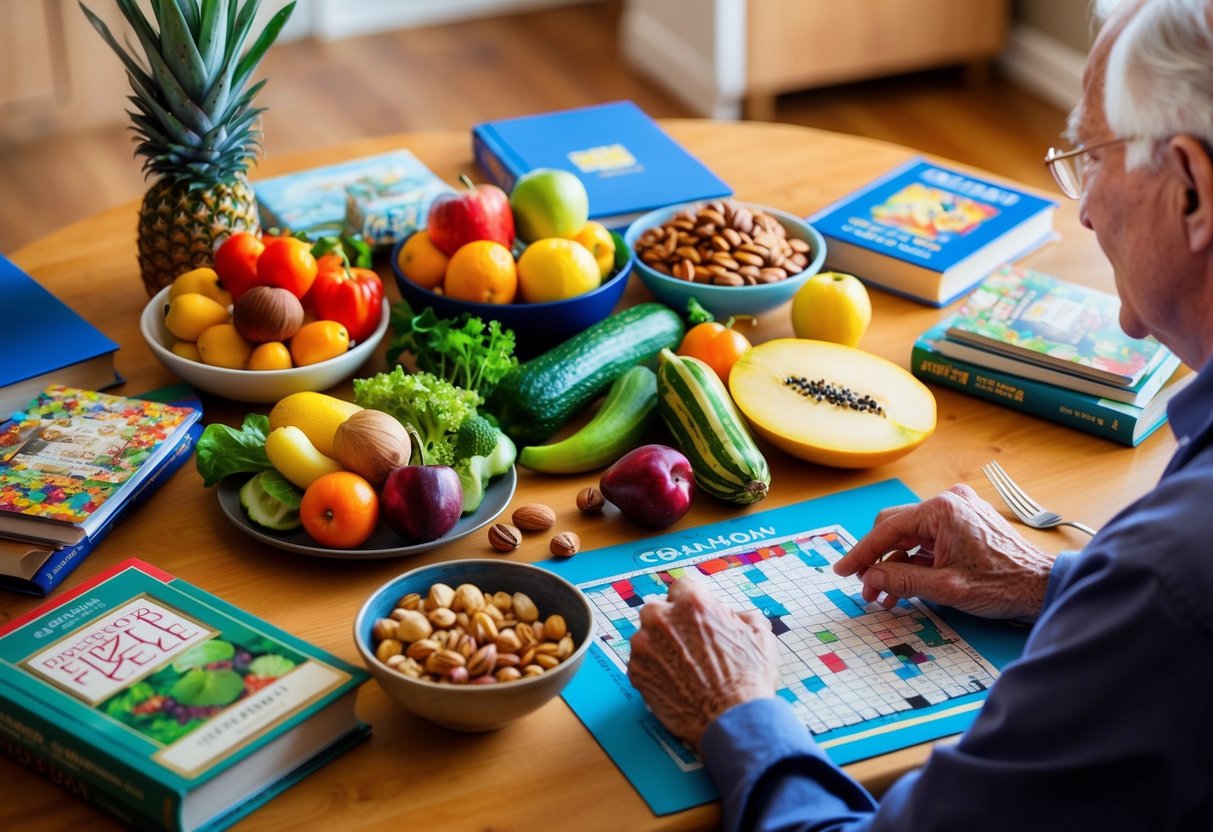
Understanding the science behind brain foods enables better dietary choices for seniors. Foods that are particularly rich in antioxidants, healthy fats, vitamins, and minerals offer protective and enhancing benefits for the brain. For example, omega-3 fatty acids, found in fish, are known for their role in building cell membranes in the brain and supporting communication between brain cells. Other foods, such as green leafy vegetables, berries, and nuts, contribute to cognitive health by providing essential vitamins and antioxidants that combat oxidative stress, thus safeguarding the brain against deterioration.
Highlights
- Optimal brain health in seniors can be supported by a diet that includes a range of nutrient-rich foods.
- Specific nutrients such as omega-3 fatty acids and antioxidants directly contribute to the maintenance of cognitive function.
- Dietary choices play a significant role in the aging process of the brain and can impact the overall quality of life for seniors.
Understanding Brain Foods
In the quest to maintain cognitive function into one’s senior years, one finds that certain foods can play pivotal roles due to their nutrient composition, especially those rich in omega-3 fatty acids and antioxidants.
The Role of Nutrients in Brain Health
Omega-3 fatty acids are crucial for brain health, particularly in seniors. Foods like salmon and walnuts are an excellent source of this nutrient, supporting neural function and potentially slowing cognitive decline. In conjunction with omega-3s, antioxidants from berries and leafy greens combat oxidative stress which is another contributor to cognitive deterioration. They hold significant anti-inflammatory effects and help to protect the brain from cellular damage.
Differentiating Healthy and Unhealthy Fats
Not all fats have equal benefits; in fact, the type of fat consumed is of major importance. Healthy fats, such as monounsaturated and polyunsaturated fats found in avocadoes and olive oil, are beneficial for brain health. Conversely, trans fats and saturated fats, typically found in processed foods, should be minimized as they can contribute to heart disease and, by extension, negatively impact brain health.
Reducing Inflammation and Oxidative Stress
A diet rich in anti-inflammatory foods can help reduce the impact of inflammation and oxidative stress on the brain. Incorporating foods high in omega-3 fatty acids, like flaxseeds and salmon, helps mitigate the inflammatory response. Similarly, foods that are high in antioxidants—think dark chocolate and berries—aid in decreasing oxidative stress, which can play a role in the onset of age-related cognitive decline.
Top Foods for Enhancing Cognitive Function
Certain foods are associated with a strong cognitive benefit. These include those rich in omega-3 fatty acids and antioxidants, and they play a crucial role in brain health, especially for seniors.
Omega-3 Rich Foods
She recommends seniors incorporate flaxseeds, walnuts, and chia seeds into their diets, as they are plant-based sources of alpha-linolenic acid (ALA), a type of omega-3 fatty acid. Fish like salmon and mackerel are also excellent sources of eicosapentaenoic acid (EPA) and docosahexaenoic acid (DHA), both important for maintaining cognitive function.
Antioxidant-Packed Berries
A bowl of vibrant blueberries could be a delightful way to boost brain health. These berries are rich in flavonoids that may enhance memory and cognitive function. Other berries such as strawberries and blackberries also carry antioxidants that support brain health.
Nuts and Seeds for Brain Health
Nuts and seeds are not only crunchy and satisfying but also benefit the mind. They suggest elders to frequently snack on almonds, hazelnuts, and sunflower seeds to get a healthy dose of vitamin E, which may protect against cognitive decline.
Leafy Greens and Cruciferous Vegetables
They emphasize the importance of incorporating kale, spinach, and broccoli into one’s meals. These leafy greens and cruciferous vegetables are loaded with vitamins and minerals, including vitamin K, lutein, folate, and beta carotene, which may support brain health.
Fatty Fish for DHA and EPA
Oily fish such as salmon, trout, and sardines are highlighted for their abundance in DHA and EPA, two forms of omega-3s essential for reducing oxidative stress in the brain and aiding in the preservation of brain cell structure and function.
Dietary Patterns for Cognitive Health
Adopting specific eating patterns can be beneficial for maintaining cognitive health as one ages. They focus on the inclusion of brain-supportive nutrients found in various foods such as whole grains, olive oil, and legumes.
The Mediterranean Diet
This diet emphasizes the consumption of fruits, vegetables, whole grains, and healthy fats like olive oil. It includes moderate amounts of fish and poultry, with beans and legumes acting as staple protein sources. Research indicates that individuals who adhere to this diet may experience a slower cognitive decline and have a lower risk of developing Alzheimer’s disease.
- Key components of the Mediterranean Diet:
- Olive Oil: Used as the primary fat, enhancing the flavour and adding antioxidants.
- Whole Grains: Integral for maintaining stable blood sugar levels.
- Legumes: Great sources of protein and fibre that support brain health.
- Fruits & Vegetables: Rich in nutrients and antioxidants.
The MIND Diet
A hybrid of the Mediterranean and DASH diets, the MIND diet specifically targets brain health. It focuses on plant-based foods and recommends berries and leafy green vegetables. The diet also includes nuts, berries, beans, whole grains, and poultry, with olive oil remaining the primary cooking fat.
- Essential elements of the MIND Diet:
- Berries: Suggested to be the most potent fruits for brain health.
- Leafy Greens: At least six servings a week are recommended.
- Nuts and Legumes: Important for their omega-3 fatty acid content.
Whole Grains and Fiber for Brain Function
Whole grains are a cornerstone of brain health due to their high fiber content, which is critical for preventing cognitive decline by keeping the arteries clear and reducing inflammation. They provide a steady source of energy to the brain and are rich in B vitamins, which are key for brain health.
- Benefits of Whole Grains:
- Sustained Energy: Prevents spikes in blood sugar, which can affect brain function.
- B Vitamins: Essential for a healthy brain; whole grains are a good source.
Brain-Boosting Beverages
Beverages can play a significant role in maintaining cognitive function as one ages. From the gentle boost of caffeine in a morning brew to the anti-inflammatory properties of certain teas, the drinks seniors choose can have a noticeable impact on their brain health.
Green Tea and Cognitive Health
Green tea, revered for its possible health benefits, may be particularly beneficial for seniors. It contains bioactive compounds like flavonoids, which are believed to contribute to cognitive health. Regular consumption of green tea has been associated with a reduced risk of cognitive decline. The green tea also provides hydration, essential for overall brain health and function.
Coffee as a Cognitive Enhancer
For many seniors, coffee is more than a morning ritual; it may also support brain health. Coffee is a source of caffeine, a stimulant that can enhance brain function. In moderate amounts, caffeine can improve alertness and attention. One must be mindful of the quantity, as excessive caffeine can lead to restlessness and sleep disturbances.
Healthful Teas and Their Benefits
Aside from green tea, other teas also offer cognitive benefits. Teas like black and oolong contain flavonoids, which have been shown to improve cognitive function. There is evidence suggesting that certain teas may reduce the risk of dementia in the elderly. Herbal teas can offer a soothing, caffeine-free alternative, supporting adequate hydration without the stimulating effects of caffeine.
Key Nutrients And Supplements
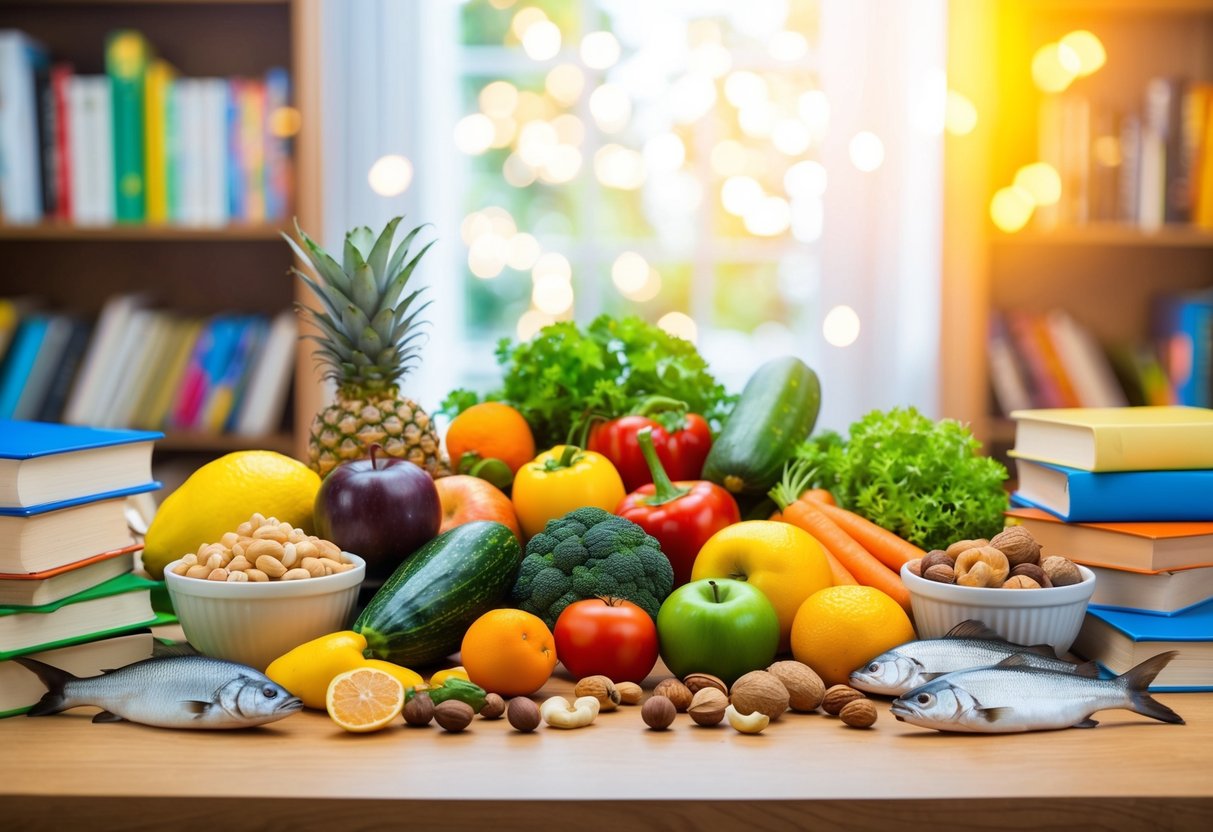
As individuals age, certain nutrients become pivotal for maintaining a healthy brain function. Ensuring an adequate intake of specific vitamins and minerals, along with the consideration of supplements, can support cognitive health in senior years.
Essential Vitamins for the Aging Brain
Vitamin B12: This vitamin is crucial for nerve function and the production of DNA. A deficiency in vitamin B12 can lead to cognitive issues. Foods rich in B12 include fish, meat, poultry, eggs, and dairy, but seniors may need a supplement to maintain optimal levels.
Folate (Vitamin B9): Folate assists in the creation of new cells and supports serotonin regulation. Green leafy vegetables, fruits, and fortified foods are good sources, though additional folate supplements may benefit the elderly.
Vitamin E: An antioxidant that protects cells from damage, vitamin E is found in nuts, seeds, and green leafy vegetables. Seniors need to ensure they’re consuming enough, possibly considering a supplement if dietary sources are insufficient.
Minerals and Their Impact on Cognitive Function
Magnesium: This mineral plays a role in many cognitive processes. Low levels of magnesium can affect neurological health. Sources include spinach, nuts, and whole grains, yet some seniors might need a magnesium supplement to support brain function.
Supplements: When Diet is Not Enough
Occasionally, it might be challenging for seniors to meet their nutritional needs through diet alone. In such cases, supplements can be helpful.
Omega-3 Supplements: High in EPA and DHA, these fatty acids are vital for brain health. Fish oil supplements can be beneficial for seniors not getting enough through their diet.
Choline: This nutrient is involved in brain development and the production of neurotransmitters. Though it’s found in eggs and meat, there are choline supplements available for those who might need them.
Curcumin: Found in turmeric, curcumin has anti-inflammatory properties and may support brain health. As a supplement, it can be added to the diet of elderly individuals to enhance nutrient intake.
Lifestyle Factors Affecting Brain Aging
The trajectory of brain aging is greatly influenced by several modifiable lifestyle choices. Embracing a comprehensive approach that includes regular physical activity, continuous learning, and social interactions can contribute to maintaining cognitive abilities and potentially delay the onset of neurodegenerative diseases like Alzheimer’s.
The Significance of Physical Activity
Physical activity stands as a cornerstone in the fight against the cognitive decline associated with brain aging. Research indicates that consistent exercise—such as walking, swimming, or resistance training—can facilitate the flow of blood to the brain, delivering the oxygen and nutrients vital for peak performance. Moreover, these activities are thought to stimulate the production of growth factors that promote the health and function of neurons. For seniors, integrating moderate-intensity exercise into their daily routine can be an effective strategy to safeguard cognitive health.
Mental Stimulation and Continued Learning
Engagement in mentally stimulating activities plays a crucial role in bolstering the brain’s resilience to aging. Whether it’s through learning a new language, participating in puzzles and games, or attending workshops, these activities can foster new neuronal connections and aid in the preservation of cognitive functions. The plasticity of the brain, its ability to form new connections throughout one’s life, remains one of its most remarkable attributes, particularly when nurtured with continuous learning and mental challenges.
Social Engagement and Mental Health
Social interactions bear significant weight in supporting mental health and cognitive function among the elderly. A wealth of evidence suggests that maintaining meaningful relationships and participating in community events can combat feelings of isolation and depression, which often correlate adversely with cognitive decline. Social networks provide seniors with a sense of belonging, emotional support, and opportunities for cognitive engagement—all vital components of a mentally active and fulfilling lifestyle.
Challenges and Special Considerations
In addressing brain health through diet for seniors, one must consider physical and cognitive changes that affect nutritional intake and assimilation. Optimal mental function in the later years hinges on navigating these nuances with grace and practicality.
Adapting Diet for Chewing and Swallowing Difficulties
As people age, they may encounter challenges with chewing and swallowing due to dental issues or weakened muscles. Incorporating soft, nutrient-rich foods like smoothies and well-cooked vegetables ensures that seniors receive necessary vitamins and minerals without the strain of hard-to-chew items. Meals such as oatmeal, scrambled eggs, and soups can be endowed with superfoods like berries and leafy greens for an added boost to their brain health.
Cognitive Decline and Memory Retention
Senior individuals experiencing cognitive decline, such as those with dementia or Alzheimer’s disease, benefit from a diet tailored to support memory retention. Certain foods, like fatty fish rich in omega-3 fatty acids, have been linked to improved mental function. Also, a diet inclusive of antioxidants found in fruits like blueberries may help to mitigate some aspects of cognitive impairment.
Addressing Nutritional Deficiencies in Seniors
Nutritional deficiencies are a common concern for seniors, affecting their overall health and mental acuity. A balanced diet with a variety of vegetables, fruits, whole grains, and lean proteins is pivotal. Foods high in vitamin B12 are particularly important, as deficiencies in this vitamin are linked to problems with brain function. Seniors should strive for a diet that accommodates any specific nutrient needs they may have, taking into account any medically recommended dietary supplements to maintain optimal brain health.
0 responses