When Remembrance Day comes around each year, it serves as a solemn reminder of the sacrifices made by veterans. This is especially significant to the elderly population in Canada. For many elderly Canadians, Remembrance Day is a time to reflect on personal experiences from wartime or stories passed down through generations. Their memories and contributions help ensure that this poignant day remains a vital part of Canadian culture.
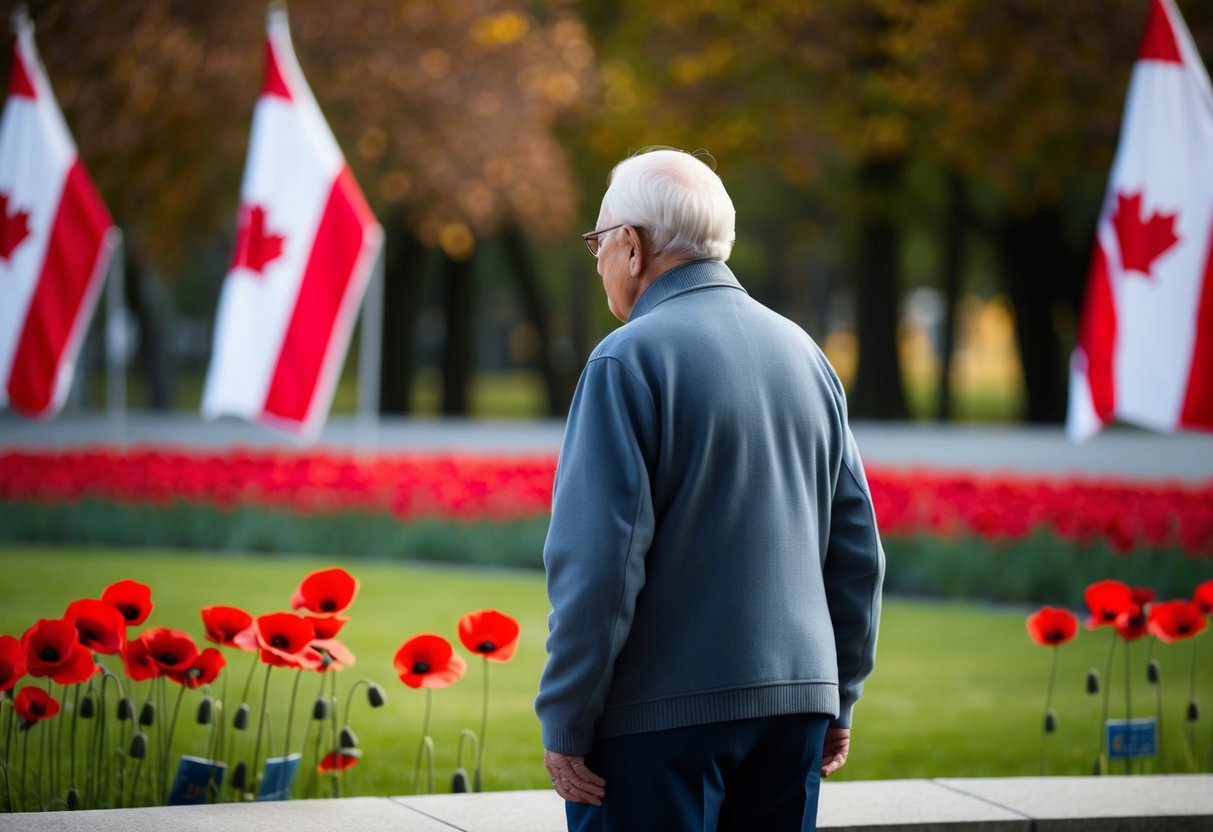
In communities across the country, ceremonies are held to honour those who have served, with many older Canadians actively participating in or attending these events. The rituals of laying wreaths, reciting poems, and observing moments of silence resonate deeply with those who have lived through times of conflict. This connection enhances the national understanding and appreciation of Remembrance Day’s importance.
As the years progress, the role of the elderly in relaying firsthand accounts becomes increasingly significant. By sharing their stories, they help foster a greater appreciation for the historical and contemporary significance of military service. Their narratives ensure that younger generations continue to recognize and respect the values of courage and sacrifice associated with this day.
Highlights
- Remembrance Day holds particular significance for elderly Canadians.
- Ceremonies and traditions strengthen national unity.
- Firsthand accounts from veterans enrich the understanding of military history.
History and Significance of Remembrance Day
Remembrance Day, observed on November 11, has deep ties to the First World War and is symbolized by poignant mantras and memorials. Key elements include the origins of the day, a well-known poem, and its expansion beyond initial historical events.
Origins in the First World War
Remembrance Day traces back to the armistice that halted the First World War on November 11, 1918. This day marks a significant turning point in history when Commonwealth nations came together to honour the fallen soldiers. Ceremonies initially focused on veterans of the First World War but gradually included those who served in the Second World War.
In Canada, the day is characterised by solemn rituals, including wreath-laying ceremonies at cenotaphs and moments of silence at 11:00 a.m. The Canadian War Museum offers exhibitions and educational programs that deepen the public’s understanding of these wars and their long-lasting impact on Canadian society.
Lest We Forget: The Meaning Behind the Mantra
The phrase “Lest We Forget” serves as a solemn reminder of the sacrifices made by those who fought in conflicts such as the battles of Vimy and Normandy. This mantra conveys the importance of remembering the past to ensure future generations understand the costs of freedom and peace.
In Canada, “Lest We Forget” appears on monuments and is a central theme of Remembrance Day speeches and literature. Schools and public institutions incorporate this lesson into educational curricula, emphasizing respect and gratitude. It’s a mantra that goes beyond mere words, urging society to keep alive the memory of those who served.
In Flanders Fields: The Poem and Its Legacy
“In Flanders Fields,” penned by Lieutenant Colonel John McCrae, holds a special place in the hearts of Canadians. Written in May 1915, the poem eloquently captures the atmosphere of the battlefields in Flanders during the First World War. It has become an integral part of Remembrance Day ceremonies.
The poem’s imagery of poppies growing among the graves has led to the adoption of the red poppy as a symbol of remembrance. The poem’s legacy endures, serving as a poignant reminder of the sacrifices made and the resilience of the human spirit.
Expansion Beyond the World Wars
Initially focused on the First and Second World Wars, Remembrance Day now honours Canadian veterans and soldiers who participated in subsequent conflicts, such as the Korean War and peacekeeping missions. This expansion highlights the evolving nature of military service and its broader implications.
In modern times, Canadian Armed Forces members who served in Afghanistan and other global peacekeeping efforts are also remembered. Communities across Canada hold ceremonies that reflect on these contributions, fostering a sense of unity and appreciation. Past and present, the day underscores the nation’s commitment to peace and freedom.
Remembrance Day Ceremonies and Traditions
Remembrance Day in Canada is marked by solemn ceremonies, time-honoured traditions, and heartfelt tributes. These practices help Canadians honour those who served in armed conflicts and remember their sacrifices.
National War Memorial Observances
The National War Memorial in Ottawa serves as the focal point for Canada’s Remembrance Day ceremonies. The gathering is attended by dignitaries, veterans, and the public alike. A solemn two-minute silence is observed at 11 a.m. to honour fallen soldiers. The Tomb of the Unknown Soldier, located at the memorial, plays an integral part in these proceedings. It stands as a poignant symbol of all unidentified service members who perished in combat. Cenotaphs in various cities also hold similar observances, uniting communities across the country in reflection and respect.
The Significance of the Last Post
The haunting notes of the “Last Post” are a fixture in Remembrance Day ceremonies. This bugle call signifies the end of the day’s duties and, metaphorically, represents the close of a life dedicated to service. The “Last Post” is followed by a two-minute silence, allowing attendees a moment for personal reflection. The ceremony concludes with the “Reveille,” which symbolizes resurrection and hope. This moving musical tribute evokes deep emotions, underscoring the gravity and solemnity of the occasion.
Wearing of Poppies: A Symbol of Remembrance
Poppies are widely recognized as a symbol of remembrance in Canada. Inspired by the poem “In Flanders Fields,” the red poppy pays tribute to those who lost their lives in the First World War and subsequent conflicts. Millions of Canadians wear the poppy on their left lapel, over their heart, during the weeks leading up to November 11. The Royal Canadian Legion distributes poppies and encourages donations, which help fund support programs for veterans and their families.
Silver Cross Mother: A Tribute to Sacrifice
Each year, the Royal Canadian Legion names a Silver Cross Mother to represent all mothers who have lost a child in military service. She is given the honour of laying a wreath at the National War Memorial on Remembrance Day. This poignant tribute honours the profound sacrifices of countless families across the nation. The presence of the Silver Cross Mother highlights the personal and emotional impacts of war, bringing a deeply human element to national observances. This role draws attention to the enduring pain of loss while also celebrating the courage and resilience of those left behind.
Canadian Armed Forces and Veterans Affairs
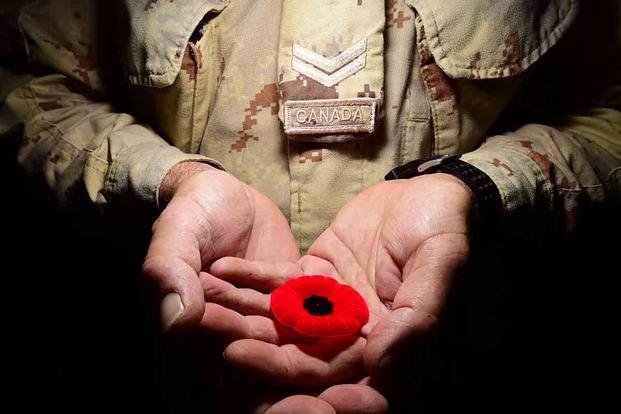
The Canadian Armed Forces work closely with Veterans Affairs to support those who have served. Their collaboration aims to address the needs of veterans, recognize the sacrifices made, and honour their bravery across various conflicts and missions.
Taking Care of Our Veterans
The Canadian Armed Forces and Veterans Affairs Canada provide extensive support to veterans, focusing on their physical and mental well-being. Services include health care, rehabilitation programs, and financial assistance to ensure a smooth transition to civilian life.
Focusing on mental health, Veterans Affairs administers programs addressing PTSD and related conditions, offering counselling and support networks. The department also manages initiatives aimed at improving housing conditions and employment opportunities for veterans.
These efforts ensure that veterans receive the care and respect they deserve after their service, highlighting the nation’s gratitude.
Commemorating Service and Bravery
Veterans Affairs and the Canadian Armed Forces take great care in commemorating the service and bravery of those who have served. Events and ceremonies on Remembrance Day honour veterans from wars like the Korean War and more recent conflicts.
Educational programs in collaboration with schools aim to pass down knowledge of military history and the sacrifices made by Canadian soldiers. Public memorials and monuments serve as permanent tributes, reminding citizens of the courage and dedication displayed by veterans.
These commemorative efforts play a crucial role in fostering national pride and preserving historical legacy.
Acknowledging Veterans of Recent Conflicts
Recent conflicts, such as those in Afghanistan, have seen the Canadian Armed Forces deploy soldiers in complex and challenging environments. Acknowledging the contributions and sacrifices made by these veterans is essential.
Recognition initiatives include medals and commendations as well as support systems that tackle unique challenges these veterans face upon returning home. Addressing the physical and emotional scars of recent service members ensures they receive the proper recognition and assistance needed post-deployment.
The involvement of Veterans Affairs in these initiatives emphasizes the commitment to supporting veterans across all generations and conflicts.
Political and Civilian Participation in Remembrance
Remembrance Day in Canada is marked by both political leaders and civilians, reflecting a shared commitment to honour those who served. In this setting, figures like Prime Minister Justin Trudeau and Gov. Gen. Mary Simon play prominent roles, while citizens, including organizations like the Canadian Legion, contribute significantly to commemorations.
Prime Minister’s Annual Homage
Prime Minister Justin Trudeau plays a significant role during Remembrance Day ceremonies. Each year, he participates in events at the National War Memorial, placing a wreath to honour the sacrifices of Canadian veterans. His addresses often highlight themes of patriotism and gratitude, underscoring freedom and peace preserved by those who served.
He also uses the opportunity to reassert Canada’s commitment to veterans, showing empathy toward their historical and current contributions. Involving both young and old Canadians in the ceremony, Trudeau emphasizes a nation united in respect and remembrance.
Role of the Governor General
Gov. Gen. Mary Simon, as the Queen’s representative, fulfills ceremonial duties on Remembrance Day that highlight her role in fostering national unity. Her participation often includes delivering poignant speeches that resonate with themes of memory and gratitude, celebrating Canada’s military history.
Simon engages with veterans and their families, reinforcing the importance of remembering the past. Her presence is a reminder of the country’s enduring values. Together with the Prime Minister, the Governor General helps maintain a respectful and solemn atmosphere during commemoration events, encouraging Canadians to reflect on their shared heritage.
Engagement of Canadian Citizens
Canadian citizens actively participate in Remembrance Day activities, displaying a strong sense of community and patriotism. Various groups, including the Canadian Legion, organize events across the nation, from small-town gatherings to large urban parades.
Canadians of all ages attend these events, donning red poppies as symbols of remembrance. Many schools and local organizations host educational programs to teach young Canadians about the significance of the day. Maureen Anderson, a long-time volunteer with the Legion, exemplifies civilian dedication, demonstrating how individuals contribute to preserving memory and freedom. Through collective participation, Canadians show unwavering respect for those who have served their country.
Symbols and Memorials of Remembrance
Symbols and memorials play an essential role in remembering those who have served in Canada’s military. Key elements include the maple leaf’s significance, the National Silver Cross Mother‘s role, and the contributions of the Royal Canadian Air Force.
Maple Leaf and National Identity
The maple leaf is an iconic symbol of Canada, closely intertwined with national identity and remembrance. It represents pride, hope, and strength. Often seen on military insignias and uniforms, the maple leaf signifies the unity and sacrifices of Canadian forces.
Each November 11th, Canadians wear a red maple leaf pinned to their lapel during Remembrance Day ceremonies. This small gesture shows respect for fallen soldiers and those who served. It is a tangible connection to the nation’s history and shared sacrifices.
Additionally, memorials across Canada frequently incorporate the maple leaf in their design. This reinforces its role as a powerful emblem of remembrance and connection to those who have served in the Armed Forces.
The National Silver Cross Mother
The National Silver Cross Mother holds a special place in Remembrance Day observances. Each year, the Royal Canadian Legion selects a mother who has lost a child in military service. She represents all mothers who have endured similar losses.
On Remembrance Day, the National Silver Cross Mother lays a wreath at the National War Memorial in Ottawa. Her presence and actions remind Canadians of the personal sacrifices endured by families of servicemen and women. Her position fosters national empathy, highlighting the depth of loss families experience.
This role is a poignant reminder of the human cost of conflict. It ensures that the stories and sacrifices of Canadian service members are not forgotten but honoured annually.
Role of the Royal Canadian Air Force
The Royal Canadian Air Force (RCAF) plays a significant role in Remembrance Day activities. Its members participate in ceremonies across the nation, providing flypasts that solemnize services with precision and dignity.
Flypasts by RCAF aircraft are among the most awe-inspiring elements of memorial ceremonies. They pay tribute to fallen aviators and serve as a reminder of the ongoing dedication of Canadian airmen and women.
In every community, RCAF veterans share stories and contribute to educational initiatives, preserving the legacy of their service. This involvement underscores the RCAF’s deep connection to national remembrance efforts and its steadfast commitment to honouring past and present personnel.
Stopping Scammers Who Target Seniors
Ontario Over 80 Driving Test Requirements And Renewal Process