
Getting around in Ontario can be challenging for seniors on fixed incomes. The Ontario Seniors’ Public Transit Tax Credit offers valuable financial relief for those aged 65 and over who use public transportation. This refundable tax credit allows eligible Ontario seniors to claim up to 15% of their public transit expenses, helping to make mobility more affordable while encouraging the use of public transit systems.

Public transit plays an essential role in maintaining independence for many seniors across the province. Whether it’s travelling to medical appointments, shopping for groceries, or visiting family and friends, accessible and affordable transportation options are vital for maintaining quality of life. The introduction of this tax credit recognizes the unique financial challenges seniors face and aims to reduce barriers to mobility.
The program aligns with broader provincial initiatives to create more age-friendly communities throughout Ontario. By making public transit more affordable, the government encourages seniors to remain active participants in community life while potentially reducing the environmental impact of private vehicle use.
Highlights
- The Ontario Seniors’ Public Transit Tax Credit offers a 15% refundable tax credit on eligible transit expenses for residents aged 65 and over.
- Seniors must keep receipts or digital payment records from qualified transit services to claim the credit on their annual tax returns.
- The credit helps reduce financial barriers to mobility while promoting independence and community participation among Ontario’s senior population.
The Ontario Seniors’ Public Transit Tax Credit
The Ontario Seniors’ Public Transit Tax Credit offers valuable tax relief for older adults who use public transportation. This provincial initiative helps seniors maintain mobility while providing financial benefits through Ontario’s personal income tax system.
Eligibility Criteria
To qualify for the Ontario Seniors’ Public Transit Tax Credit, individuals must be 65 years of age or older and reside in Ontario. This non-refundable tax credit is available exclusively to senior citizens who use public transit services within the province.
Seniors must keep their transit receipts or proof of payment to claim this benefit when filing their personal income tax returns. The credit applies to eligible transit expenses paid throughout the tax year.
Unlike some benefits, there are no income restrictions for this tax credit. Both low-income and higher-income seniors can take advantage of this opportunity to reduce their provincial tax liability.
Types of Eligible Transit Expenses
The Ontario Seniors’ Public Transit Tax Credit covers a variety of public transportation options. Eligible expenses include:
- Single-ride tickets on buses, subways, streetcars, and light rail
- Monthly transit passes for regular commuters
- Presto card payments and electronic fare payments
- Specialized transit services for seniors with mobility challenges
- Community transit services in smaller municipalities
Seniors can claim transit expenses they’ve personally paid for, even if someone else purchased the tickets on their behalf. The credit typically equals 15% of eligible public transit expenses.
It’s important to note that taxi fares, ride-sharing services, and private transportation arrangements do not qualify for this tax credit. Only conventional public transit and specialized transit services are eligible.
Applying for the Tax Credit
Ontario seniors can claim the Public Transit Tax Credit to offset their travel expenses. The process requires careful documentation and proper completion of tax forms to ensure eligible costs are recognized by the Canada Revenue Agency.
Documenting Expenses
To claim the Ontario Seniors’ Public Transit Tax Credit, seniors must save all receipts for eligible transit expenses. Qualifying receipts include monthly transit passes, single-ride tickets, and electronic payment cards like PRESTO.
Each receipt should clearly show:
- Date of purchase
- Amount paid
- Transit service provider name
- Type of fare purchased
For electronic payment systems, seniors should obtain an annual statement from the transit authority or print transaction histories. The Canada Revenue Agency may request these documents during an audit, so it’s wise to keep them for at least six years after filing.
Smart seniors organize receipts by month in a dedicated folder or envelope. Taking photos of paper receipts provides a valuable backup if originals are lost or damaged.
Filing Your Tax Returns
When preparing personal income tax returns, seniors should complete Schedule ON(S2), “Provincial and Territorial Credits.” The Ontario Seniors’ Public Transit Tax Credit appears in its own section of this form.
Enter the total amount spent on eligible public transit services during the tax year. The credit equals 15% of these expenses, up to the maximum allowable amount under the Taxation Act, 2007.
To qualify, filers must:
- Be 65 years or older by December 31 of the tax year
- Be Ontario residents at the end of the tax year
- Meet income requirements
This non-refundable tax credit reduces the amount of provincial tax owed. If the credit exceeds provincial tax payable, the excess amount cannot be refunded or carried forward to other tax years.
Tax preparation software automatically calculates this credit when expenses are entered correctly. Seniors filing paper returns should follow instructions carefully to ensure proper credit application.
Broader Impact on Senior Mobility
The Ontario Seniors’ Public Transit Tax Credit contributes significantly to improving mobility for older adults across the province. This benefit extends well beyond simple cost savings, creating meaningful improvements in seniors’ quality of life and community engagement.
Enhancing Access to Public Transit
Access to reliable transportation remains a critical issue for seniors throughout Ontario, particularly in the Greater Golden Horseshoe Region where transit systems are more developed. Municipal transit services in cities like Toronto, Hamilton, and Ottawa have become increasingly accessible with low-floor buses, designated seating, and improved signage.
GO Transit has implemented senior-friendly features across its network, including priority seating and accessibility assistance. These improvements, combined with the tax credit, make public transit a more viable option for seniors on fixed incomes.
Transit infrastructure investments have focused on creating more accessible stations with elevators, ramps, and clear wayfinding. These thoughtful enhancements remove physical barriers that previously prevented many older adults from using public transportation.
Supporting Senior Independence
The ability to travel independently contributes enormously to seniors’ overall well-being. When older adults can easily access public transit, they maintain connections to healthcare services, social activities, and family gatherings without relying on others.
Municipal transit systems throughout Ontario have recognized this need by offering specialized services. Many communities provide door-to-door transit options for seniors with mobility challenges, ensuring they remain connected despite physical limitations.
For seniors living in the Greater Golden Horseshoe Region, improved transit access means they can continue visiting cultural attractions, attending appointments, and shopping independently. This independence fosters a sense of dignity and autonomy that is essential for healthy aging.
The tax credit supports these efforts by making regular transit use more affordable, encouraging seniors to maintain active lifestyles within their communities rather than becoming isolated at home.
Additional Financial Considerations for Ontario Seniors
Beyond transit credits, Ontario provides several tax benefits designed to ease financial pressure on seniors. These programs help offset expenses related to property, energy, and leisure activities.
Other Provincial Non-Refundable Credits
Ontario offers several non-refundable tax credits that address seniors’ specific needs during rising inflation. The Ontario Energy and Property Tax Credit is especially valuable, providing up to $1,165 for seniors to help with home energy costs and property taxes.
This credit is part of the Ontario Trillium Benefit, which can be received monthly to help with regular expenses. Seniors may also benefit from:
- Ontario Senior Homeowners’ Property Tax Grant (up to $500)
- Low-income seniors’ public transit discount programs in various municipalities
- Health-related tax credits for medical expenses and disabilities
Income-tested benefits become increasingly important as inflation affects fixed incomes. To maximize these benefits, seniors should consult with a tax professional or use free tax clinics available through community centres.
Frequently Asked Questions
The Ontario Seniors’ Public Transit Tax Credit provides valuable financial relief for older adults who use public transportation. Many seniors have specific questions about eligibility, claiming procedures, and how this credit works with other benefits.
How can seniors in Ontario determine if they are eligible for the public transit tax credit?
Eligibility for the Ontario Seniors’ Public Transit Tax Credit is quite straightforward. Individuals must be 65 years of age or older by the end of the taxation year for which they are claiming the credit.
They must also be residents of Ontario on December 31st of the tax year. The credit applies to eligible public transit costs paid for services used on or after July 1, 2017.
Seniors should keep all receipts and proof of payment for public transit services, as these will be necessary for claiming the credit.
What are the steps to claim the Ontario Senior Public Transit Tax Credit on a tax return?
To claim this beneficial tax credit, seniors should complete the designated Ontario credits form when filing their income tax return. The form is typically Schedule ON-BEN or the Ontario Benefits application.
Seniors must enter the total amount spent on eligible public transit services during the tax year. The credit is calculated as 15% of eligible public transit expenses, up to a maximum benefit that may vary by tax year.
It’s essential to keep all receipts for at least six years, as the Canada Revenue Agency may request them to verify the claim.
Has there been any changes to the public transit tax credit for seniors in Ontario for the year 2024?
For the 2024 tax year, the Ontario Seniors’ Public Transit Tax Credit remains largely unchanged in its core structure. The credit continues to provide a 15% refundable tax credit on eligible public transit expenses.
Seniors should note that while the fundamental aspects remain consistent, specific maximum claim amounts and other minor details may be updated. It’s advisable to check the most recent Ontario Budget or the Ontario Ministry of Finance website for any adjustments.
Are PRESTO card expenses eligible for the Ontario Seniors’ Public Transit Tax Credit?
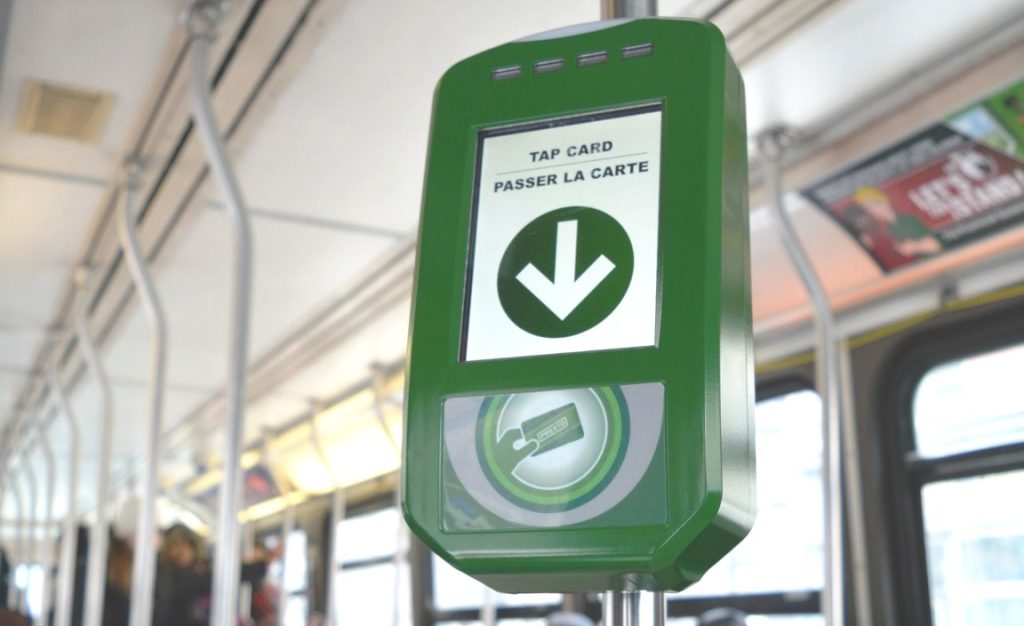
Yes, PRESTO card expenses are definitely eligible for the Ontario Seniors’ Public Transit Tax Credit. This includes both the initial loading of funds onto a PRESTO card and subsequent reloads.
Seniors should ensure they keep receipts or transaction records from their PRESTO account as proof of payment. The PRESTO system makes this quite simple through online account access.
Monthly PRESTO statements can be printed or saved electronically as supporting documentation for tax purposes.
What is the Care at Home tax credit and how does it differ from the public transit tax credit for seniors in Ontario?
The Ontario Seniors’ Home Safety Tax Credit (sometimes referred to as Care at Home) is completely different from the Public Transit Tax Credit. It focuses on home modifications that improve safety and accessibility for seniors.
This credit covers 25% of eligible expenses up to $10,000 for renovations that help seniors remain in their homes safely. Examples include grab bars, wheelchair ramps, and stair lifts.
Unlike the transit credit which supports mobility outside the home, the Home Safety Tax Credit specifically addresses making seniors’ residences more accessible and secure.
Could you list the government rebates available to seniors in Ontario, including the public transit tax credit?
Ontario seniors can access several valuable government rebates beyond the Public Transit Tax Credit. The Ontario Energy and Property Tax Credit helps with property taxes and energy costs based on income thresholds.
The Ontario Senior Homeowners’ Property Tax Grant provides up to $500 to help offset property taxes. The Guaranteed Annual Income System (GAINS) supplements federal benefits for low-income seniors.
Other significant benefits include the Seniors’ Home Safety Tax Credit, the Ontario Drug Benefit Program, and various GST/HST credits designed specifically to ease financial pressures on Ontario’s older adults.


just reading about the transit tax credit and wondering, how do I know if I’m eligible? Seems a bit confusing with all the details. Would love a bit of clarity cause I take the bus often. Thanks!
Margie, from what I understand, you need to be a senior living in Ontario and spend on eligible public transit services. Keep your receipts, and you can claim it on your tax return. It’s a great little way to save some money if you use transit a lot.
So now we’re giving tax credits for hopping on the bus? What’s next, credits for walking to the park? lol. Just kidding, I guess it’s cool for the seniors. But seriously, how much are we talking? A dollar saved a year?
I’ve been using the Ontario Seniors’ Public Transit Tax Credit for a while, and it’s truly been a blessing. It’s not just about the savings, which are indeed welcome, but about recognizing the mobility needs of seniors. I appreciate you bringing attention to this. It’s comforting to know there are measures in place to support our independence.
hey ppl, i herd somthing about presto card expenses bein eligible? hows that work exactly cause i got my grandma one of those for when shes out n bout. does she need to do something special to get this credit or what? kinda lost here lol, any advice would be cool.
Ah yes, the government throwing crumbs at us and calling it help. Don’t get me wrong, any savings for our seniors is good news. But let’s not pretend like making transportation slightly cheaper fixes all the issues. Maybe I’m missing something, but feels like a band-aid on a bigger problem, right?
Frankie, I get where you’re coming from, but isn’t it better to have some support rather than none? Sure, it’s not a fix-all, but for many seniors, every little bit helps. Maybe this can be a step towards broader improvements.
Both have points, but Frankie’s right. This feels more like a pat on the back than actual change. Still, taking advantage of what’s there is key right now.