


Update
Published


Medical alert systems have become an indispensable tool for ensuring the safety of seniors and individuals with health issues that might require immediate emergency assistance. These devices provide a quick and direct line to help, especially for those who live alone or are at risk of falls and medical emergencies. An important consideration when selecting a medical alert system is its ability to withstand exposure to water, as accidents often occur in areas like the bathroom.
Water resistance in medical alert systems is a critical aspect that determines the reliability of the device in all situations. Most of the top-rated medical alert systems in Canada have accounted for this necessity, offering water resistant pendants and bracelets (systems that are mobile or wearable). The assurance that these devices will function even when wet provides users and their families with a heightened sense of security. Whether in the shower, by the pool, or during a sudden rainstorm, a water resistant medical alert system remains operational, ensuring that help is only a button-press away.
Maintenance and long-term durability are also important as these alert systems are worn continuously. Consumers typically look for devices that require minimal upkeep while still performing reliably over time. Reviewing consumer feedback and examining the range of available coverage options and support features are also important steps in finding a system that offers both quality and value for money.
Highlights
- Medical alert systems are critical for seniors and individuals needing emergency assistance, with water resistance being a important feature.
- High water resistant features ensure device functionality in high-risk areas like bathrooms and during outdoor activities.
- It’s essential to consider durability, maintenance, and comprehensive coverage options when selecting a medical alert system.
Medical alert systems have become integral to the safety and protection of individuals with health concerns. These devices ensure that help is readily available at the push of a button.
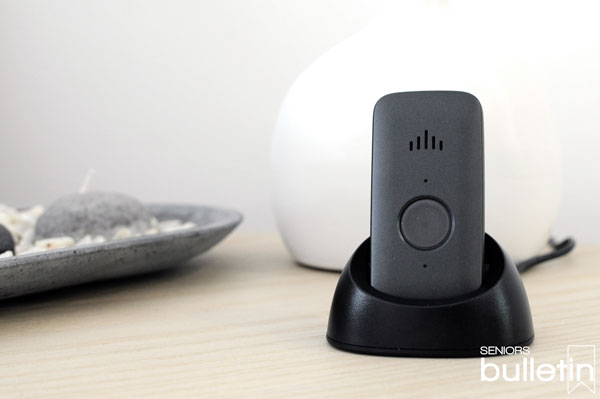
Medical alert systems are sophisticated devices designed to summon assistance in the event of a medical emergency. They typically consist of a wearable pendant or bracelet with a button that the user can press to alert a monitoring centre. These systems offer an essential lifeline, particularly for seniors or those with medical conditions, enabling them to maintain independence while having access to help when needed.
The market offers a variety of medical alert devices tailored to various needs and lifestyles. In-home systems, for instance, connect users to a help centre through a landline, while mobile units use wireless technologies to provide protection anywhere cellular service is available. Many wearable devices like pendants and watches are also water resistant, ensuring they can be worn at all times, including in the shower.
Over the years, medical alert technology has evolved significantly. Earlier models were quite basic, but today’s devices have advanced features like automatic fall detection, GPS tracking, and the capability to work over cellular networks. The integration of digital technology has made these systems more reliable, user-friendly, and discreet, which aligns well with an individual’s desire for privacy and autonomy.
To enhance safety, modern medical alert systems are designed with a variety of features. At their core is reliability in times of need. Fall detection technology has become increasingly sophisticated, with the ability to automatically initiate a call for assistance if a fall is detected. Water resistance is a critical feature, as many falls occur in the bathroom. Additionally, systems now come with long-range capabilities, ensuring they can cover the user’s entire home and yard.
Martha Stewart emphasizes that incorporating water resistant features in medical alert systems is not just an added benefit—it’s a critical component for ensuring safety in environments where accidents are likely to occur, such as in the shower. Maintaining functionality while exposed to water is paramount to the protection and security that these systems are designed to provide.
In the context of medical emergencies, water resistant devices play a vital role due to the high risk of slips and falls in wet areas like bathrooms. A water resistant medical alert system ensures that individuals have access to instant help even when they are in or around water. For those with mobility issues or conditions that might make them more susceptible to falls, the assurance that their alert device is protected against water is fundamental to their security.
It’s essential to distinguish between waterproof and water-resistant devices. While water-resistant devices can handle a lot of exposure to moisture and water, they are not designed to be submerged or exposed to large amounts of water. In contrast, waterproof means that it can withstand submersion. For example, TELUS Health Medical Alert has an IP67 water resistant rating and can be worn in the shower. It should not be submerged and should be towel-dried after exposure to water. This is how most medical alert systems are designed and built.
When assessing water resistant medical alert systems, it is crucial to consider the specific features offered. The best systems on the market exhibit a 24/7 emergency response capability, which ensures that help is always accessible, irrespective of the time or situation. Furthermore, some reputable providers offer additional pendants free of charge, accommodating households where more than one individual requires protection. These devices vary in terms of connectivity, with options for landline or cellular connections, and their in-home range can stretch up to 1,000 feet, ensuring comprehensive coverage.
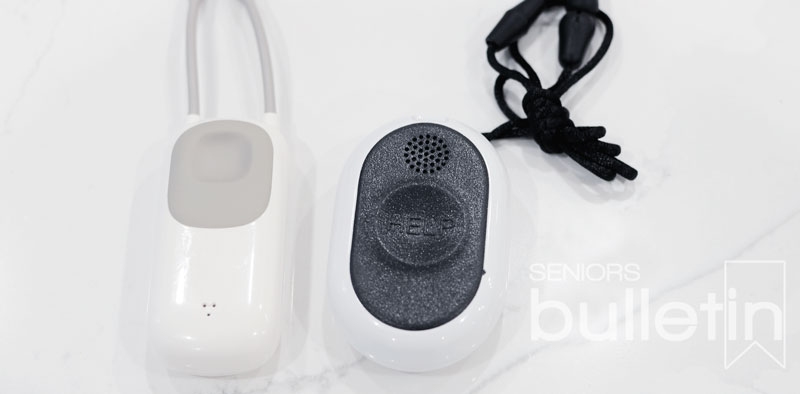
A variety of medical alert systems offer users the security they need within the comfort of their homes as well as the freedom to travel with assurance. This section delves into the practicality of different systems that cater to protective needs across environments, each offering unique features like GPS technology for pinpointing locations during emergencies.
For those seeking protection primarily within the familiarity of their home, in-home medical alert systems provide a solid defense. These systems typically feature a base station with a direct line to emergency services and boast an impressive coverage range. The MobileHelp Classic, for instance, is celebrated for its extensive range of use in the home, ensuring quick response times even if the user is at the furthest point from the base unit.
Protection while out and about is critical for active individuals. Mobile devices with GPS technology offer on-the-go coverage, allowing users to signal for help from anywhere their adventures take them. This capability is crucial, as it gives users and their families peace of mind knowing that they can be located promptly in a crisis. It’s important that mobile systems are equipped with water resistant features, as noted by Galaxy Medical Alert System’s popularity for mobile watch system with GPS & fall protection.
Some users may seek a holistic solution that combines the best of both worlds. By integrating in-home systems with mobile options, they ensure seamless protection regardless of their whereabouts. These hybrid systems often include portable devices with a base station that operates effectively within the home and are also outfitted with GPS for when the user is on the move. The balance between in-home comfort and mobile freedom makes these types of systems a versatile choice for comprehensive coverage.
Medical alert systems are designed with features to offer swift assistance during emergencies, ensure caregivers are informed and engaged, and allow clear communication between users and support staff.
Most medical alert systems feature a prominent emergency button that, when pressed, immediately connects the user to a support centre. Response times are crucial, and many providers boast that their systems connect to emergency services rapidly, often within seconds. This immediate connection provides a vital safety net for seniors who may be more prone to accidents, ensuring they get help without delay.
Caregivers play an essential role in the monitoring and support of medical alert system users. Some systems include caregiver apps, which facilitate real-time notifications and tracking of the user’s activities. Caregivers can receive alerts when the system detects unusual patterns or when the emergency button is used, allowing for immediate action and support.
A key feature of medical alert systems is the two-way communication capability. This function allows users to speak directly with trained support personnel through the system’s base unit or portable device. The clarity of this communication is vital, ensuring that users can convey their needs and receive guidance. Whether at home or away, users have the reassurance that they can call for help and speak to someone who can coordinate the necessary response, be it alerting family members or contacting emergency services.
When it comes to medical alert systems, factors such as features, benefits, and costs are pivotal. Making an informed choice leads to the selection of a system that not only suits one’s lifestyle but also provides the necessary assistance in times of emergency.
When selecting a water resistant medical alert system, one must consider its suitability for various environments. A system with a high water resistant rating will be crucial for someone frequently in contact with water. Additionally, the range of operation is important; for those living in larger homes or spending time outdoors, a system with a wider coverage area is beneficial.
Each system comes with unique features that may include fall detection, GPS capabilities, and a 24/7 monitoring service. Assessing the benefits is crucial; for example, a device with non-rechargeable batteries might offer convenience by eliminating the need for frequent charging. Features like pendant or wristband options cater to personal preferences and ease of use.
Costs can vary, with options such as monthly fees or one-time charges. Services might also have an activation fee. While assessing affordability, it’s essential to look beyond the tag price to the long-term value offered by the system. Some providers offer a free trial period, which can help in determining if the system meets one’s needs without immediate commitment.
In the market of medical alert systems, consumers may navigate diverse pricing models and occasional hidden fees. They seek assurance that their investment offers the best value for their hard-earned dollar.
Monthly fees for basic medical alert systems start at C$19.95, equating to C$239.40 annually. These systems often require the purchase of equipment, with one-time costs ranging from C$50 to C$349.99. For systems designed for on-the-go use, monthly charges generally exceed the basic home system rates by C$5 to C$20. Some companies provide options without monthly fees, appealing to those seeking a more cost-effective solution.
It’s important for shoppers to scrutinize the fine print for fees that may not be immediately transparent. Installation and activation fees can sneak up on the budget-conscious, sometimes reaching as high as C$100. Moreover, accessories, upgrades, repairs, or replacements add additional expenses. Cancellation fees may also apply, should one opt to discontinue the service.
A savvy consumer weighs the initial equipment fees against the long-term monthly costs to determine which system aligns with their financial landscape. Some products enhance value with a money-back guarantee, mitigating the risk of an investment that doesn’t meet expectations. Careful consideration of the service’s features in relation to its price can secure a medical alert system that offers both reliable safety and financial prudence.
Proper care ensures that a medical alert system remains reliable over time. Device durability and regular maintenance are critical for the longevity and performance of these life-saving gadgets.
Modern medical alert systems usually come with long-lasting batteries. For devices manufactured by companies like Life Alert, users do not need to worry about frequent charging as the batteries do not require it. However, most medical alert devices still need periodic battery replacement to ensure uninterrupted service. Users can typically expect a battery life that spans several years depending on the model and usage patterns.
The upkeep of a medical alert system is relatively straightforward. Water resistant features in many models mean they can be worn in the shower without concern, reducing the instances of water damage. Still, users should conduct regular inspections of their devices for signs of damage or wear that could affect function. Cleaning the device as per the manufacturer’s instructions is also key to preventing issues such as skin irritation or device malfunction.
Wearable medical alert systems are designed to withstand the rigours of daily use. Nevertheless, they can show signs of wear and tear. It is vital for users to inspect their devices periodically for any damage such as cracks or frayed straps that might compromise the device’s integrity. If a user notices any issues, they should contact the provider immediately for repair or replacement options.
In discerning the efficiency and reliability of medical alert systems, one must look closely at what the consumers themselves are reporting. Their collective experiences shed light on product performance and customer service quality.
Customers often provide valuable feedback on the water resistant capabilities of medical alert systems, indicating how these devices perform under real-world conditions. A meticulous examination of reviews reveals patterns that can inform potential buyers about the durability and functionality of the devices being considered.
For instance:
Comprehensive reviews by consumer platforms and healthcare-focused agencies provide a list of top-rated medical alert systems that stand out in terms of waterproofing features. Notably:
0 responses