Frequent urination can disrupt daily routines and negatively impact quality of life. Many individuals may not realize that the foods they eat play a direct role in bladder health and urinary symptoms. Certain foods, such as bananas, apples, berries, and watermelon, are gentle on the bladder and may help reduce the urge to urinate frequently.
Anyone seeking greater control over their bladder may benefit from understanding which dietary changes can make a difference. Knowing which foods to avoid—like coffee, alcohol, citrus fruits, spicy foods, and artificial sweeteners—can also support better bladder function.
Highlights
- Specific foods can support better bladder health and reduce frequent urination.
- Avoiding known irritants may help manage symptoms and improve comfort.
- Diet changes, combined with healthy habits, can enhance quality of life.
What Is Frequent Urination
Frequent urination often indicates a problem in the urinary tract or bladder, but the causes and symptoms can vary widely. Knowing when to seek medical advice and how to recognize early signs is key to effective management.
Common Causes
Frequent urination can be triggered by a range of medical and lifestyle factors. Overactive bladder (OAB) is a leading cause and involves sudden urges to urinate that can be hard to control. Other causes include urinary tract infections (UTIs), diabetes, and diuretic medications.
Consuming large amounts of caffeine or alcohol may irritate the bladder and increase the need to urinate. Bladder problems such as interstitial cystitis, prostate issues in men, and pregnancy in women can also play a significant role. In some cases, frequent urination is linked to anxiety or stress, which can impact bladder function.
Recognizing Symptoms
Typical symptoms associated with frequent urination include the urge to urinate more often than is typical for an individual, waking up at night to urinate (nocturia), and sometimes urinary incontinence or leakage. Some may experience only a slight urge but need to go frequently.
OAB is often characterized by urgency, frequency, and sometimes an inability to reach the bathroom in time. It is important to note any burning, pain, or blood in the urine, as these can suggest infection or other bladder problems. Keeping a bladder diary can help recognise patterns and triggers for symptoms.
When to Seek Professional Help
Seeking medical advice is advisable if frequent urination interferes with daily life or sleep. If symptoms include pain, fever, or blood in the urine, consulting a healthcare provider promptly is essential. These signs may indicate a urinary tract infection or more serious bladder conditions.
Individuals with a sudden increase in urinary frequency or new symptoms—such as urinary incontinence—should also see a doctor. Early intervention can help diagnose causes such as diabetes, kidney disease, or underlying nerve disorders. Routine check-ups are important when managing chronic bladder symptoms, particularly if current treatments are not effective.
Diet and Its Impact on Bladder Health
Certain foods can support bladder health, while others may act as irritants and increase the urge to urinate. Making mindful dietary choices can play a role in managing symptoms of frequent urination.
Bladder-Friendly Foods
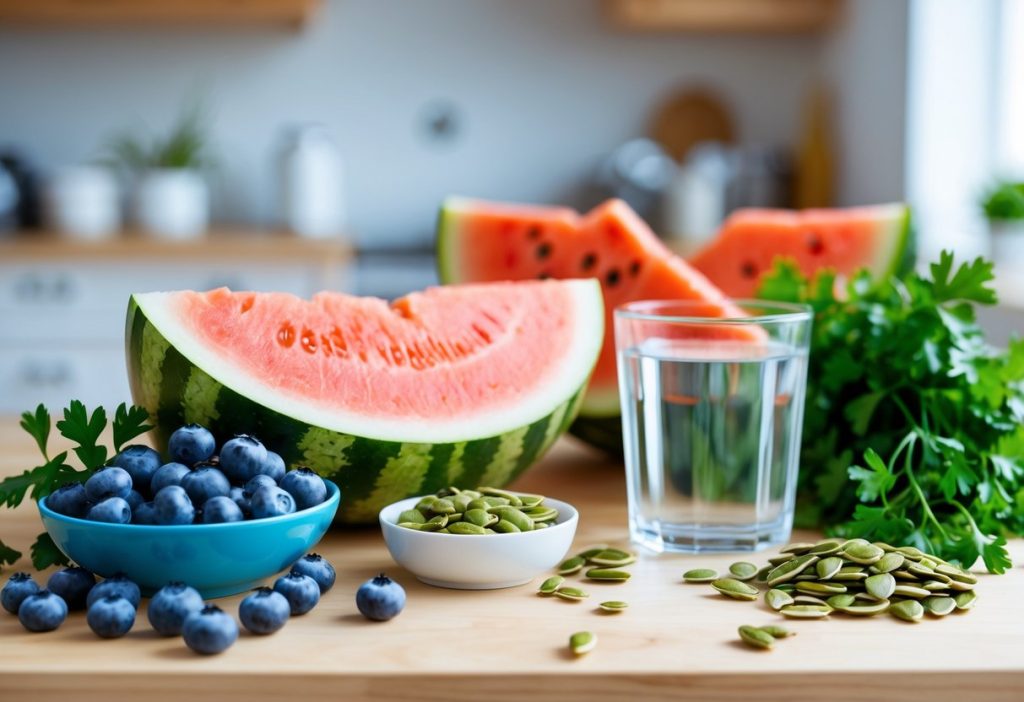
Some fruits and vegetables are less likely to irritate the bladder or act as diuretics. Options such as bananas, apples, grapes, coconut, watermelon, strawberries, and blackberries are generally considered bladder-friendly.
A diet rich in fibre from foods like beans and whole grains may also support regular bowel movements, which can help reduce pressure on the bladder. Hydration is vital; drinking enough water dilutes urine, lessening the concentration of substances that might irritate the bladder lining.
Including a variety of non-citrus fruits and vegetables is beneficial. Lean proteins, plain yoghurt, and unsalted seeds are also good choices that do not typically worsen bladder symptoms.
Foods to Limit or Avoid
Certain foods and beverages are known bladder irritants and may worsen frequent urination. Items to limit or avoid include:
- Caffeinated drinks (coffee, tea, cola)
- Alcohol
- Citrus fruits (oranges, grapefruits, lemons)
- Tomato-based products
- Spicy foods
- Carbonated beverages
- Artificial sweeteners (aspartame, saccharin)
Caffeine and alcohol can both have a diuretic effect, leading to increased urine production. Carbonated beverages and artificial sweeteners may irritate the bladder in some people.
Reducing or avoiding these foods and drinks may help manage bladder irritation and the frequency of urination. Each person may have different sensitivities, so keeping a food and symptom diary can help identify specific triggers.
Top Foods That Help Stop Frequent Urination
The foods people eat can make a measurable difference when it comes to bladder health and reducing frequent urination. A focus on fibre, hydration, and specific nutrients is key for supporting bladder function and overall urinary tract wellness.
High-Fibre Foods and Constipation Relief
Managing constipation is important because a full bowel can put pressure on the bladder, worsening urinary urgency. High-fibre foods help move stool efficiently and reduce this pressure.
Legumes like beans, lentils, and chickpeas are excellent sources of fibre and nutrients. Whole grains, including brown rice and oats, also support regular digestion. Eating fruits such as apples, pears, and blueberries can further improve bowel movements due to both fibre and water content.
Daily fibre intake should come from a variety of sources. Aim for vegetables like broccoli and carrots, which are gentle on the bladder. A diet high in fibre lowers the risk of constipation and may indirectly help reduce the urgency to urinate by lessening pelvic pressure.
Hydrating, Low-Acid Foods
Proper hydration keeps urine diluted, which is less irritating to the bladder. However, certain acidic foods and drinks can aggravate bladder symptoms and should be minimized.
Choose low-acid fruits such as bananas, watermelon, and coconut. These are hydrating and unlikely to cause bladder irritation. Cucumber and celery are also good options, offering hydration with minimal risk of increased urgency.
A simple table shows examples:
| Hydrating, Low-Acid Foods |
|---|
| Watermelon |
| Bananas |
| Coconut |
| Cucumbers |
| Pears |
Limit citrus, tomatoes, and spicy foods, as they can irritate the bladder lining. Non-acidic, water-rich foods can help maintain urine volume while avoiding triggers.
Foods Rich in Magnesium and Vitamin D
Magnesium and vitamin D are essential nutrients that play a role in muscle and nerve health, including those involved in bladder control. Deficiency in these nutrients may increase the risk of bladder problems.
Magnesium-rich foods include spinach, pumpkin seeds, and almonds. These foods may help calm overactive bladder muscles and support normal bladder function.
Vitamin D is found in fortified milk, eggs, and salmon. Adequate vitamin D levels support proper muscle tone and may limit urinary symptoms. Including a mix of these foods in the daily diet contributes to bladder-friendly eating patterns that may help reduce frequent urination.
Foods and Beverages That Worsen Bladder Symptoms
Certain drinks have been shown to irritate the bladder lining and act as diuretics. Reducing or avoiding these beverages can help manage frequent urination and bladder discomfort.
Caffeinated Drinks
Caffeine is a well-known bladder irritant and diuretic. It is found in coffee, black and green tea, many energy drinks, and cola soft drinks. These beverages may increase the amount of urine produced by the kidneys, resulting in more frequent trips to the bathroom.
Besides increasing urine output, caffeine also stimulates the muscle in the bladder wall. This can make sudden urges to urinate more likely and harder to control. For some individuals, even moderate amounts of caffeine may worsen overactive bladder symptoms.
Coffee, whether regular or decaf, contains compounds besides caffeine that can also irritate the bladder. Flavoured teas and some carbonated beverages (such as certain sodas) may also contain caffeine. Switching to non-caffeinated herbal teas and plain water is often recommended for those sensitive to these effects.
Alcoholic Beverages
Alcohol acts as a diuretic by increasing the production of urine. Beer, wine, and spirits can all lead to more frequent urination. Alcohol can also interfere with the signalling between the bladder and the brain, potentially making it harder to sense fullness or urgency.
In addition to its diuretic properties, alcohol is considered a bladder irritant. This means it can worsen symptoms of urgency, discomfort, and frequency. These effects can be more noticeable for people already experiencing bladder problems.
Mixing alcohol with carbonated mixers can further worsen symptoms. Limiting or eliminating alcoholic beverages is recommended for those looking to control frequent urination and reduce bladder irritation. Options like alcohol-free beers and mocktails may be alternatives for social situations.
Lifestyle and Dietary Tips for Bladder Control
Practical adjustments to fluid intake and careful monitoring of habits can support better bladder control. Making targeted dietary choices and tracking symptoms are key steps in reducing frequent urination.
Planning Fluid Intake
Regulating daily fluid intake is important for urinary health. People with bladder control issues should avoid drinking large amounts of fluids at once; instead, they should spread intake evenly throughout the day. This helps the bladder manage volume without sudden, urgent urges.
Caffeine, found in coffee, tea, and many soft drinks, often increases urine production and can trigger urgency. Limiting these beverages may reduce symptoms. Alcohol is another common bladder irritant and should be consumed in moderation or avoided if symptoms are severe.
Choosing bladder-friendly fluids like water is usually best. Some juices, such as cranberry or blueberry, can be gentler than citrus drinks, which are more likely to cause discomfort. Below is a quick guide:
| Fluid Type | Recommended | Limit/Avoid |
|---|---|---|
| Water | ✔ | |
| Caffeinated drinks | ✔ | |
| Citrus juices | ✔ | |
| Cranberry juice | ✔ | |
| Alcohol | ✔ |
It is also helpful to avoid drinking fluids close to bedtime, especially for those who experience night-time urination.
Managing Triggers through a Bladder Diary
Keeping a bladder diary allows individuals to track their fluid intake, foods consumed, and urinary habits. This record helps to identify patterns and specific foods that may worsen symptoms.
A typical bladder diary includes columns for time of day, type and amount of fluid or food consumed, episodes of urination, and any symptoms like urgency or discomfort. Over several days, this diary can reveal which habits or foods might be responsible for increased urination.
By reviewing this information, individuals can collaborate with healthcare professionals to adjust their diets or daily routines. For example, if spicy foods or artificial sweeteners consistently cause problems, these can be minimized or eliminated.
Other Contributing Factors to Frequent Urination
Frequent urination can result from various causes outside of dietary choices. Understanding these factors can provide valuable insights into what may be affecting urinary patterns.
Medical Conditions
A range of medical conditions can contribute to frequent urination. Diabetes is a major cause, as high blood sugar levels increase urine production. Additionally, urinary tract infections (UTIs) and bladder infections often irritate the bladder lining, leading to urgency and increased frequency.
An enlarged prostate can block the flow of urine in men, causing the bladder to contract more often. Other conditions, such as bladder cancer and certain neurological disorders, may affect bladder function. Individuals recovering from pelvic or prostate surgery may also experience temporary or persistent changes in urination habits.
Some of the most common medical causes include:
- Diabetes (both type 1 and type 2)
- Urinary tract or bladder infections
- Enlarged prostate (benign prostatic hyperplasia)
- Bladder cancer
- Recent surgery in the pelvic region
Medication Effects
Specific prescription and over-the-counter medications can cause an increase in urinary frequency. Diuretics—often used to treat high blood pressure—are designed to help the body eliminate excess salt and water through the urine, leading to more frequent trips to the bathroom.
Other drug classes linked to urinary changes include:
- Anticholinergics
- Sedatives
- Muscle relaxants
- Certain medications for cancer treatment
Some decongestants and antidepressants may also interfere with bladder control, either by affecting muscle tone or by altering signals between the brain and bladder. Monitoring side effects and discussing concerns with a healthcare provider is important to minimize unwanted symptoms.
Impact of Smoking
Smoking has a noticeable impact on urinary health. Chemicals in cigarette smoke can irritate the bladder lining, increasing urination frequency and sensation of urgency.
Smoking is also recognized as a significant risk factor for the development of bladder cancer. Chronic coughing associated with smoking can weaken pelvic floor muscles, which are critical for bladder control.
People who smoke may experience a combination of direct bladder irritation and indirect effects, such as increased risk of infections and chronic coughing. Quitting can protect not only bladder health but also overall health.
Physical Approaches and Exercises for Bladder Support
Bladder health can often be improved with specific physical interventions. Both targeted exercises and certain medical treatments play important roles in supporting those with frequent urination or symptoms of overactive bladder.
Pelvic Floor Exercises and Kegel Exercises
Strengthening the pelvic floor muscles is a primary method for controlling urinary symptoms. Pelvic floor exercises, such as Kegel exercises, can help both men and women reduce involuntary loss of urine and manage urge incontinence. These exercises involve contracting and relaxing the muscles that support the bladder.
Commonly, individuals are advised to perform three sets of 10–15 repetitions each day. A physiotherapist can help identify the correct muscles and ensure proper technique. As muscle strength improves, people often notice fewer bathroom trips and less leakage associated with overactive bladder (OAB).
Maintaining a routine with these exercises supports bladder control without medication. Tracking progress in a journal or using a reminder can help individuals stay consistent.
Nerve Stimulation and Botox Treatments
For people who do not find sufficient relief with exercises alone, nerve stimulation and botox injections are available options. Nerve stimulation typically involves a device that sends mild electrical impulses to nerves that affect bladder function. This can reduce OAB symptoms and lower the frequency of urge incontinence episodes.
Botox treatments involve injecting onabotulinumtoxinA directly into the bladder wall. This relaxes the muscles, resulting in fewer involuntary contractions. These treatments are offered by urologists in a clinical setting, and effects can last from several months to a year.
Both nerve stimulation and botox are reserved for cases where other interventions have not been effective. Regular follow-up visits are often required to assess progress and plan future treatments.
Choosing the Right Clothing and Hygiene Habits
Selecting appropriate clothing and practising proper hygiene can support bladder health and help reduce discomfort related to frequent urination. Simple changes in daily routines, such as material choice and cleaning habits, may prevent irritation and keep the bladder area healthier.
Benefits of Cotton Underwear
Cotton underwear offers good breathability, which helps manage moisture and reduces the risk of skin irritation. Unlike synthetic fabrics, cotton absorbs sweat and allows air to circulate more freely.
Moist conditions can encourage bacterial growth, making cotton a better option for those prone to bladder issues. Many healthcare providers recommend wearing loose-fitting, cotton underwear to lower the risk of infections and reduce chafing.
People with sensitive skin or those experiencing frequent urination may notice less irritation and discomfort with cotton garments. For maximum effect, avoid tight-fitting clothing that traps heat and moisture.
Personal Hygiene Tips
Proper hygiene helps decrease the risk of urinary tract infections, which can worsen frequent urination. Washing the genital area daily with mild, unscented soap and water can reduce irritants without disturbing the natural skin balance.
After urinating, wiping from front to back is important, especially for women, to prevent bacteria from entering the urethra. Changing out of damp underwear promptly and using unscented, gentle laundry detergents can also help protect sensitive areas.
Regular handwashing before and after using the toilet, as well as after changing absorbent pads (if needed), reduces the spread of germs.
Improving Quality of Life with Bladder-Friendly Habits
Bladder-friendly habits and practical adjustments can support better urinary health. Diet choices, hydration patterns, and daily routines each contribute to improving bladder health and comfort.
Long-Term Lifestyle Adjustments
Adopting sustainable habits is important for maintaining quality of life and bladder health. Limiting or avoiding caffeine, alcohol, and artificial sweeteners can reduce bladder irritation and frequent urges to urinate. Many people find it useful to track their fluid intake and avoid drinking large amounts at once, especially in the evening.
Including high-fibre foods like oats, raspberries, and pears helps prevent constipation, which otherwise puts extra pressure on the bladder. Weight management may also lower symptoms, as excess weight can make urinary symptoms worse. Regular physical activity and planned bathroom breaks may help improve bladder control over time.
| Habit | Benefit |
|---|---|
| Reduce caffeine/alcohol | Fewer urges, less irritation |
| Eat more fibre | Lower risk of constipation |
| Maintain healthy weight | Reduced bladder pressure |
| Space out fluid intake | Limits urgency |
| Plan bathroom visits | Improves control |
Stopping Scammers Who Target Seniors
Ontario Over 80 Driving Test Requirements And Renewal Process