Living with tinnitus, that persistent ringing or buzzing in the ears, can be particularly challenging for many individuals. While diet isn’t typically recognized as a direct cause of tinnitus, certain dietary choices might influence its severity for some people. Research suggests there’s no strong scientific evidence supporting the widespread advice to avoid specific foods like caffeine. However, some tinnitus sufferers report that certain dietary modifications help manage their symptoms.
Interestingly, multiple studies have examined the relationship between food consumption patterns and tinnitus experiences. Some research indicates that individuals with tinnitus are more likely to avoid certain food types, though findings regarding specific items like wheat or sugar remain inconclusive. Rather than eliminating entire food groups based on generalized recommendations, a personalized approach to identifying potential dietary triggers might prove more beneficial.
Highlights
- Scientific evidence doesn’t strongly support avoiding specific foods like caffeine for tinnitus management, though individual responses may vary.
- Some people with tinnitus report benefits from identifying and limiting their personal dietary triggers through careful observation.
- A balanced diet supporting overall health may contribute positively to hearing wellness and potentially reduce tinnitus-related distress.
What Is Tinnitus?
Tinnitus affects millions of people worldwide and is characterized by the perception of sound when no external source is present. Before exploring how dietary choices may influence this condition, it’s essential to understand what tinnitus is and what typically causes it.
What Is Tinnitus?
Tinnitus presents as a ringing, buzzing, hissing, or clicking sound in one or both ears when no actual sound is present in the environment. It’s not a disease itself but rather a symptom of an underlying condition.
For some individuals, tinnitus is a minor annoyance that comes and goes. For others, it can be a persistent, debilitating condition that affects concentration, sleep, and overall quality of life.
Tinnitus can be subjective (heard only by the affected person) or objective (audible to an examining physician). Subjective tinnitus is far more common, accounting for approximately 95% of cases.
Common Causes of Tinnitus
Hearing loss related to aging or noise exposure is the most common cause of tinnitus. When sensitive hair cells in the inner ear are damaged, they can send irregular signals to the brain, which interprets them as sound.
Exposure to loud noises, whether brief but intense or prolonged, can damage hearing and lead to tinnitus. This includes concerts, sporting events, and occupational noise from machinery.
Ear diseases and disorders can trigger tinnitus, including ear infections, earwax blockage, and Ménière’s disease. Certain medications, known as ototoxic drugs, may also cause or worsen tinnitus symptoms.
Stress and anxiety don’t directly cause tinnitus but can exacerbate symptoms. Many individuals report that their tinnitus worsens during periods of elevated stress or emotional distress.
Dietary Considerations and Tinnitus
Certain dietary choices can significantly impact tinnitus symptoms. Understanding which foods might trigger or worsen tinnitus and which nutrients may help alleviate symptoms allows individuals to make informed decisions about their diet.
Foods and Beverages to Avoid
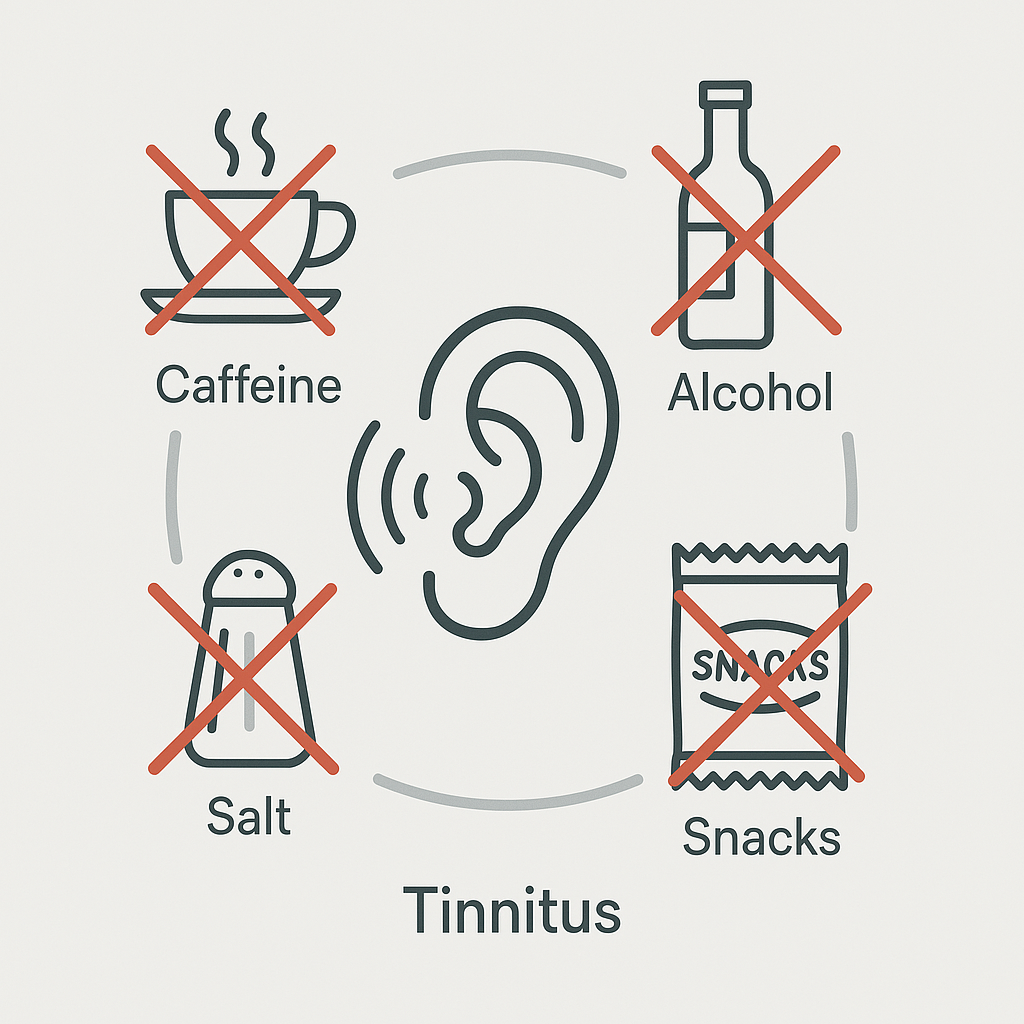
Caffeine deserves careful consideration for those experiencing tinnitus. Coffee, tea, energy drinks, and chocolate contain this stimulant, which may increase blood pressure and potentially exacerbate tinnitus symptoms in sensitive individuals.
Alcohol consumption often worsens tinnitus. Wine, beer, and spirits can alter blood flow to the inner ear and may trigger or intensify the ringing sensation. Many tinnitus patients report immediate flare-ups after consuming alcoholic beverages.
MSG (monosodium glutamate) has been associated with tinnitus symptoms in some people. This flavor enhancer appears in many processed foods, Asian cuisine, and snack foods. Reading labels diligently helps one avoid this potential trigger.
Sodium-rich foods may cause fluid retention and increased blood pressure, potentially worsening tinnitus. Processed meats, canned soups, and fast foods typically contain excessive salt and should be limited.
Nutrients Beneficial for Tinnitus
Potassium-rich foods can be quite helpful for tinnitus sufferers. Bananas, potatoes, spinach, and yogurt support proper fluid balance in the inner ear, potentially reducing symptoms.
Magnesium deficiency has been linked to tinnitus in some research. Incorporating dark leafy greens, nuts, seeds, and whole grains into one’s diet can help maintain proper magnesium levels.
Zinc supplements or zinc-rich foods like oysters, beef, and pumpkin seeds may benefit some tinnitus patients. Several studies suggest zinc deficiency could contribute to tinnitus severity in certain individuals.
Antioxidant-rich foods including berries, citrus fruits, and colorful vegetables help reduce oxidative stress. This protection may prevent damage to the delicate cells in the inner ear that contribute to tinnitus.
Understanding the Impact of Diet on Tinnitus
The relationship between diet and tinnitus varies considerably among individuals. What triggers symptoms in one person might have no effect on another, making personalized food diaries particularly valuable.
Tracking food intake alongside tinnitus symptoms can reveal personal triggers. One should note the timing, severity, and duration of symptoms in relation to specific meals or beverages consumed.
Inflammatory foods like processed items, sugary treats, and refined carbohydrates may worsen tinnitus for some people. An anti-inflammatory diet focused on whole foods could potentially reduce symptoms.
Nicotine from cigarettes and other tobacco products often worsens tinnitus by restricting blood flow to the inner ear. Many patients report improvement after reducing or eliminating tobacco use.
Gradual dietary changes tend to be more effective than dramatic restrictions. Eliminating potential triggers one at a time makes it easier to identify which foods affect one’s tinnitus symptoms.
Lifestyle Factors Influencing Tinnitus
Tinnitus management extends beyond dietary considerations to encompass various lifestyle elements that can significantly impact symptom severity. Research suggests that how we manage stress and maintain physical activity may influence our experience with tinnitus just as much as what we eat.
The Role of Stress and Anxiety
Stress and anxiety are known to exacerbate tinnitus symptoms for many sufferers. When the body experiences heightened stress levels, the auditory system can become more sensitive, making that troublesome ringing or buzzing seem louder and more intrusive.
Implementing effective stress management techniques is absolutely essential. Mindfulness meditation, for instance, can work wonders by helping to redirect attention away from tinnitus sounds. Just 10-15 minutes daily can make a noticeable difference.
Deep breathing exercises are another marvellous technique that one can practice anywhere. The simple act of breathing deeply activates the parasympathetic nervous system, which counteracts the stress response.
Many tinnitus specialists recommend cognitive behavioural therapy (CBT) as a structured approach to changing negative thought patterns about tinnitus. CBT has shown impressive results in reducing tinnitus-related distress in clinical studies.
Physical Activity and Fitness
Regular physical activity offers tremendous benefits for those managing tinnitus. Exercise improves blood circulation throughout the body, including to the ears, which may help reduce tinnitus intensity.
Cardiovascular activities such as brisk walking, swimming, or cycling for at least 30 minutes, three times weekly, are particularly beneficial. These activities release endorphins, the body’s natural mood elevators, which can help mitigate tinnitus-related stress.
Yoga combines movement with mindfulness and has shown promise for tinnitus sufferers. Gentle stretching improves flexibility while teaching practised breathing that calms the nervous system.
It’s important to note that extremely vigorous exercise or activities in noisy environments might temporarily worsen tinnitus for some individuals. One should always wear appropriate hearing protection during loud fitness classes or when using gym equipment.
Medical and Alternative Tinnitus Treatments
While there is no established cure for tinnitus, numerous medical interventions and complementary approaches can help manage symptoms and improve quality of life. Treatment options range from conventional medications to sound therapy and lifestyle modifications.
Medications and Their Side Effects
Certain medications may help alleviate tinnitus symptoms, particularly when addressing underlying conditions. Antidepressants and anti-anxiety medications can be beneficial, especially when tinnitus contributes to sleep difficulties or emotional distress.
However, some medications can actually cause or worsen tinnitus. Common culprits include aspirin in high doses, certain antibiotics, and non-steroidal anti-inflammatory drugs (NSAIDs) like ibuprofen. Always discuss medication side effects with a healthcare provider.
For those with Ménière’s disease, a condition often associated with tinnitus, diuretics may help reduce inner ear fluid pressure. Some physicians might prescribe vasodilators to increase blood flow, though evidence for their effectiveness remains limited.
Surgical Options and Procedures
Surgery is typically reserved for specific cases where tinnitus stems from an identifiable physical condition. Procedures might address tumours, vascular abnormalities, or middle ear problems such as otosclerosis.
An MRI or other imaging techniques may be required before surgery to precisely identify structural issues. For those experiencing pulsatile tinnitus (hearing rhythmic sounds matching heartbeat), surgical intervention might target vascular abnormalities causing the symptoms.
Acoustic neuroma removal can alleviate tinnitus in cases where these benign tumours are present. It’s worth mentioning that any surgical approach carries risks and is only considered when potential benefits outweigh these risks.
Hearing Aids and Sound Therapy
Hearing aids represent one of the most effective interventions for tinnitus when hearing loss is also present. By amplifying external sounds, these devices can help mask tinnitus noises and reduce their perceived intensity.
Sound therapy devices, including tabletop sound machines, wearable generators, or even smartphone apps, provide background noise that helps diminish tinnitus awareness. White noise machines, nature sounds, or specially designed tinnitus maskers can be particularly helpful at bedtime.
Tinnitus retraining therapy (TRT) combines counselling with sound therapy to reduce tinnitus-related distress. This approach aims to retrain how the brain processes tinnitus signals, making them less intrusive over time.
Home Remedies and Alternative Therapies
Many individuals find relief through complementary approaches. Herbal supplements like ginkgo biloba have shown mixed results, and while some individuals report benefits, scientific evidence remains inconclusive. Supplements may require up to six months before showing results.
Some people explore cannabinoids for tinnitus management. While not officially recommended as a treatment, some patients report positive outcomes. Always consult healthcare providers before trying such approaches.
Living with tinnitus requires thoughtful adjustments to everyday environments. The persistent ringing in the ears can be managed through mindful choices about surroundings, sound levels, and personal habits.
Managing Tinnitus at Home
Creating a calming home environment is essential for those experiencing tinnitus. Background sounds like soft music or nature recordings can help mask the ringing sensation without adding stress to the auditory system.
A white noise machine beside the bed can be especially helpful during nighttime hours when tinnitus often seems more pronounced. It’s simply marvellous how a gentle sound backdrop can make such a difference!
Establishing a dedicated relaxation space is worthwhile. This should be an area with minimal electronic interference and comfortable seating where one can practice mindfulness or meditation techniques.
Helpful Home Adaptations:
- Sound machines or apps with nature sounds
- Soft furnishings to absorb echo
- Dimmer switches for lighting (visual stress can exacerbate auditory symptoms)
- Timer for relaxation exercises
Coping Techniques for Public Spaces
Public venues often present challenges with unpredictable noise levels that can trigger or worsen tinnitus symptoms. One should consider carrying high-quality earplugs for protection from sudden loud noises in restaurants, shopping centres, or entertainment venues.
Position selection makes a tremendous difference! Choosing seats away from speakers at events or requesting quieter tables at restaurants can significantly reduce auditory strain.
For shopping trips, quieter weekday mornings are preferable to busy weekend afternoons. Many grocery stores and malls are wonderfully peaceful before 10 am.
Essential Items for Public Outings:
- Discreet noise-cancelling earbuds
- Small notepad for communication in noisy environments
- Tinnitus relief app on mobile devices
- Water bottle (staying hydrated helps manage symptoms)
Tinnitus and Professional Environments
Workplace accommodations can make managing tinnitus during professional hours much more manageable. Noise-dampening panels, strategic seating arrangements, and scheduling important conversations during periods of lower ambient noise are practical solutions.
Colleagues should be gently informed about tinnitus challenges without oversharing. A simple explanation that certain sound environments are difficult helps others understand without making it the focus of workplace relationships.
Taking regular short breaks from noisy environments is absolutely crucial. Even a five-minute respite in a quieter space can provide significant relief for the auditory system.
Workplace Modifications:
- Sound-absorbing desk dividers
- Noise-cancelling headphones for focus work
- Strategic scheduling of meetings in quieter rooms
- Regular “sound breaks” throughout the workday
Preventive Measures and Safeguards
While managing your diet is crucial for tinnitus relief, implementing protective measures for your ears is equally important. Taking proactive steps can help prevent tinnitus from worsening and may reduce symptom severity.
Protecting Your Ears from Loud Noises
Exposure to loud noises is one of the leading causes of tinnitus. One should always carry earplugs when attending concerts, sporting events, or using power tools. These small investments can make an enormous difference in preventing hearing damage.
When using headphones or earbuds, one should follow the 60/60 rule—listening at no more than 60% volume for no longer than 60 minutes at a time. This simple practice helps safeguard delicate ear structures.
For those who work in noisy environments such as construction sites or factories, proper hearing protection is non-negotiable. Noise-cancelling earmuffs provide excellent protection against harmful decibel levels.
Taking a 5-minute “sound break” every hour gives ears time to recover when in loud environments. This thoughtful pause can prevent the cumulative damage that leads to tinnitus.
Regular Health Check-Ups and Ear Examinations
One should schedule annual hearing assessments with an audiologist, particularly after age 50. These professionals can detect early signs of hearing loss before tinnitus becomes problematic.
During regular check-ups, physicians should examine ears for excessive wax buildup, which can worsen tinnitus symptoms. Professional cleaning is safer than at-home remedies that might damage sensitive ear canals.
Blood pressure monitoring is essential as hypertension can exacerbate tinnitus. Those with tinnitus should invest in a quality home blood pressure monitor and track readings regularly.
Certain medications can trigger or worsen tinnitus. One should maintain a complete medication list and discuss potential ototoxic effects with healthcare providers during each visit.
For those experiencing vertigo alongside tinnitus, specialized vestibular testing may be recommended. These conditions often occur together and require comprehensive management approaches.
Dining For Ear Health
While current research doesn’t strongly pinpoint any single food as the villain behind tinnitus, many individuals find that personal triggers—from caffeine to salty snacks—play a role in their ear-ringing woes. Rather than overhauling your entire diet, consider a tailored approach: keep a simple food journal to track what you eat and how your ears respond. You might discover certain drinks, additives, or stress-related factors intensify symptoms, while a nutritious, balanced diet helps keep them in check. Remember, managing tinnitus often involves more than just what’s on your plate—stress reduction, regular exercise, and professional guidance can all combine to create real relief, one meal at a time.


After reading about the dietary considerations for tinnitus, I’m curious if there’s any proven research linking specific foods to its improvement or worsening. It’s tough to navigate through so much conflicting information online. Any clarity would be greatly appreciated, Wil Thomas.
Karen, there’s definitely ongoing research about how diet affects tinnitus. Foods high in salt, caffeine, and alcohol are generally considered to worsen symptoms. Meanwhile, magnesium, potassium, and zinc-rich foods might offer some relief. Always best to consult with a healthcare provider for personalized advice!
oh great, another magic cure for tinnitus. let me guess, yoga and green tea? cant wait to see how that fixes it.
I never knew that what you eat could impact tinnitus. This article opened my eyes to trying out different foods to see if it helps. Thanks for sharing these tips, gonna start cutting out coffee and see if there’s a difference. Super hopeful about it!
Stress and anxiety playing a role in tinnitus? That’s something I hadn’t considered but makes a lot of sense. I’ve read that meditation and mindfulness can really help with stress. Has anyone had experience with these techniques reducing their tinnitus symptoms?
Max, absolutely. Mindfulness and meditation can significantly lower stress levels, which might, in turn, alleviate some tinnitus symptoms. It’s all about managing how your body responds to stress. Definitely worth trying out.
I’ve been living with tinnitus for over a decade and have tried nearly everything, from medications to sound therapy. It’s fascinating to see how treatments have evolved. Though I haven’t found a complete cure, combinations of treatments have made it manageable. It’s a journey, but you learn to adapt and find what helps you personally.