
Living with arthritis can be challenging, but making informed dietary choices can significantly impact joint health and overall well-being. Research suggests that certain foods may trigger inflammation and exacerbate arthritis symptoms, while others can help manage discomfort.
Foods high in sugar, saturated fats, purines, and those cooked at high temperatures should be avoided by individuals with arthritis as they may increase inflammation and worsen joint pain.
The relationship between food and arthritis has been studied since the late 1920s, with particular attention to potential allergic connections. Many people with rheumatoid arthritis demonstrate sensitivity to multiple foods, with symptoms improving when these trigger foods are eliminated from their diet. This connection between diet and arthritis symptoms isn’t merely anecdotal—it’s backed by scientific research examining how certain ingredients affect inflammatory responses in the body.
Highlights
- Sugar, saturated fats, and high-purine foods can increase inflammation and should be limited in an arthritis management plan.
- Many arthritis sufferers experience food sensitivities that, when identified and avoided, can lead to significant symptom improvement.
- Consulting healthcare professionals before making major dietary changes is essential for developing a personalized approach to arthritis management.
Arthritis and Its Dietary Impact
Arthritis affects millions of people worldwide, causing joint pain, stiffness, and inflammation that can significantly impact quality of life. Research increasingly shows that dietary choices play a crucial role in either exacerbating or alleviating arthritis symptoms through their effect on inflammatory processes in the body.
Types of Arthritis Linked to Diet
Rheumatoid arthritis (RA) shows the strongest connection to dietary factors. As an autoimmune disease, RA involves the immune system attacking joint tissues, creating painful inflammation that can be influenced by what we eat.
Psoriatic arthritis, another inflammatory autoimmune condition, responds similarly to dietary modifications. Many patients report symptom improvements after eliminating certain trigger foods.
Inflammatory arthritis types generally benefit from anti-inflammatory eating patterns. Even osteoarthritis, once considered purely mechanical, now shows links to inflammation that can be moderated through diet.
Gout, a form of inflammatory arthritis, has the clearest dietary connections. Foods high in purines directly increase uric acid levels, potentially triggering painful flare-ups.
The Role of Inflammation in Arthritis
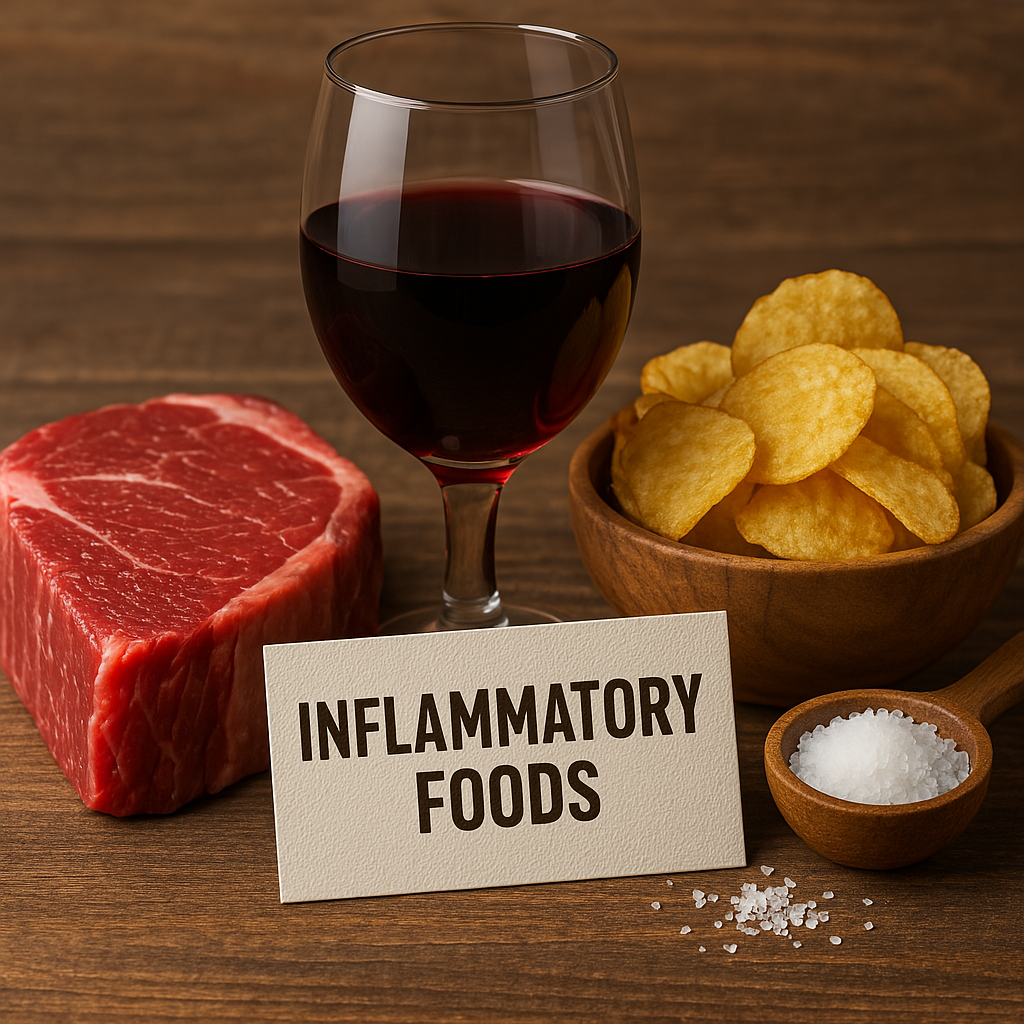
Inflammation serves as the common denominator in how food affects arthritis symptoms. Certain foods can trigger inflammatory responses that worsen joint pain and stiffness in susceptible individuals.
Pro-inflammatory foods like those high in omega-6 fatty acids, refined sugars, and trans fats can intensify the body’s inflammatory cascade. These foods may increase production of cytokines—proteins that regulate inflammation and immune responses.
Conversely, anti-inflammatory foods such as fatty fish rich in omega-3s, colourful fruits, and vegetables containing antioxidants help reduce inflammation. These foods support the body’s natural anti-inflammatory processes and may help manage arthritis symptoms.
The gut microbiome plays a fascinating role in this relationship. Dietary choices directly shape our gut bacteria composition, which influences systemic inflammation levels and may impact autoimmune conditions like RA.
The Significance of a Healthy Diet in Arthritis Management
Research indicates that dietary choices significantly influence arthritis symptoms and progression. Multiple studies have demonstrated that specific nutritional approaches can reduce inflammation, decrease joint pain, and complement traditional treatments effectively.
Key Nutrients and Their Effects on Joint Health
Omega-3 fatty acids, found abundantly in fatty fish like salmon and flaxseeds, possess remarkable anti-inflammatory properties that can reduce joint tenderness. These essential fats work beautifully to counteract inflammatory processes that exacerbate arthritis symptoms.
Antioxidants, particularly vitamin C and E, protect joints from oxidative damage while supporting collagen production. Bright, colourful fruits and vegetables deliver these nutrients most elegantly.
Studies show that probiotics may positively alter inflammatory markers, with significant increases in anti-inflammatory cytokines like IL-10. Adding fermented foods to one’s daily menu can support this beneficial gut microbiome balance.
The Mediterranean diet, rich in olive oil, nuts, and fresh produce, has demonstrated significant improvement in arthritis symptoms. This approach combines multiple anti-inflammatory components into a delicious, cohesive eating pattern.
The Impact of Body Weight on Joint Stress
Maintaining a healthy weight is perhaps the most practical dietary strategy for arthritis management. Each pound of excess weight places approximately four pounds of additional pressure on weight-bearing joints.
A well-balanced, portion-controlled diet that promotes weight loss can dramatically reduce joint stress. Many patients experience noticeable symptom improvement after losing just 10% of their body weight.
Plant-based diets rich in legumes, whole grains, and vegetables support weight management while providing anti-inflammatory compounds. These foods are naturally lower in calories while being wonderfully satisfying.
Studies confirm a significant association between obesity and arthritis progression. Weight management through thoughtful dietary choices represents a non-pharmacological approach that complements medical treatments perfectly.
Pro-Inflammatory Foods to Avoid
Certain foods can trigger inflammation in the body, potentially worsening arthritis symptoms and joint pain. Research shows that dietary choices directly impact inflammatory responses, with some foods being particularly problematic for those with rheumatoid arthritis and other inflammatory conditions.
Processed and Fried Foods
Processed foods often contain high levels of advanced glycation end products (AGEs) that increase inflammation. These include packaged snacks, frozen meals, and commercially prepared baked goods that contain artificial preservatives, colours, and flavours.
Fried foods are particularly troublesome as the high-temperature cooking method creates compounds that promote inflammation. French fries, fried chicken, and other deep-fried items should be limited or avoided entirely.
Pre-packaged convenience foods typically contain refined grains, unhealthy oils, and excessive sodium – a combination that can exacerbate joint pain and swelling. Instead, one should choose whole, unprocessed alternatives whenever possible.
Sugars and Refined Carbohydrates
Refined sugars trigger the release of inflammatory messengers called cytokines in the body. Common culprits include table sugar, high-fructose corn syrup, and sugary beverages like soda and fruit juices with added sweeteners.
White bread, pasta, and rice have had their fibre and nutrients removed, causing rapid spikes in blood sugar. These spikes can increase inflammation and worsen arthritis symptoms.
Sweet baked goods combine refined carbohydrates with unhealthy fats, creating a double inflammatory effect. Cookies, cakes, pastries, and white flour products should be replaced with whole grain alternatives that contain beneficial fibre.
Dairy Products and Certain Fats
Full-fat dairy products contain saturated fats that may contribute to inflammation in some individuals. Whole milk, cheese, butter, and ice cream can be problematic for those with arthritis sensitivity to dairy.
Saturated fats found in red meat and full-fat animal products can increase inflammation by activating immune responses. Choosing lean protein sources is a better option for joint health.
Trans fats, often found in margarine, shortening, and many processed foods, are particularly harmful. These manufactured fats have been strongly linked to increased inflammation and should be avoided entirely. Instead, one should incorporate anti-inflammatory omega-3 fats from sources like flaxseeds, walnuts, and fatty fish.
Specific Foods That May Exacerbate Arthritis Symptoms
While dietary changes can have a significant impact on arthritis symptoms, certain foods appear to worsen inflammation and joint pain in many individuals. Understanding which foods to limit or avoid can be just as important as knowing which ones to include.
Red Meat and Processed Meats
Red meat, including beef, lamb, and pork, contains high levels of saturated fats and omega-6 fatty acids that may increase inflammation in the body. Studies suggest that these fats can trigger inflammatory responses that worsen arthritis pain and swelling.
Processed meats such as bacon, sausages, hot dogs, and deli meats are particularly problematic. These products often contain chemical preservatives, artificial additives, and excessive salt—all of which may contribute to increased inflammation.
For those with gout, a form of inflammatory arthritis, red meats are especially concerning due to their high purine content. Purines break down into uric acid, which can accumulate in joints and trigger painful flare-ups.
Alcohol and High-Sodium Foods
Alcohol consumption has been linked to increased inflammation and may interfere with medications commonly prescribed for arthritis. Even moderate drinking can exacerbate symptoms in sensitive individuals, particularly those with gout or rheumatoid arthritis.
High-sodium foods deserve careful attention as well. Excessive salt intake leads to fluid retention, which often increases joint swelling and discomfort. Processed foods, canned soups, and fast-food items typically contain alarming amounts of sodium.
Pre-packaged meals, condiments, and snack foods often hide substantial sodium content. Reading labels is essential—many products exceed 20% of the recommended daily sodium intake in a single serving.
Certain Vegetables and Legumes
While vegetables and legumes are generally healthful, specific types may trigger arthritis symptoms in some individuals. Nightshade vegetables—tomatoes, potatoes, eggplants, and peppers—contain solanine, a compound that may increase inflammation in sensitive people.
Beans and other legumes contain purines, which can be problematic for those with gout. However, their purine content is generally lower than animal-based sources, making them less concerning than red meats.
Some individuals with rheumatoid arthritis report that certain legumes trigger symptoms. This response varies significantly among patients, highlighting the importance of personal food journals to identify individual triggers.
Special Diets and Considerations for Arthritis Sufferers
While there’s no definitive evidence that specific dietary factors cause or aggravate osteoarthritis, many arthritis sufferers find symptom relief through specialized eating plans. Dietary interventions may help manage inflammation and identify potential food triggers.
Gluten-Free and Low-FODMAP Diets
Gluten-free diets have become increasingly popular among arthritis sufferers seeking relief from joint pain and inflammation. Eliminating gluten—a protein found in wheat, barley, and rye—may benefit those with arthritis who also have celiac disease or non-celiac gluten sensitivity.
For proper implementation, one should replace gluten-containing foods with naturally gluten-free alternatives such as:
- Rice, quinoa, and buckwheat
- Fresh fruits and vegetables
- Lean proteins
- Nuts and seeds
Low-FODMAP diets, originally developed for irritable bowel syndrome, may also help some arthritis patients. This approach limits fermentable carbohydrates that can cause digestive distress and potentially contribute to inflammation.
Elimination Diets and Food Allergies
Elimination diets represent a thoughtful approach to identifying potential food triggers for arthritis symptoms. The process involves removing suspected problematic foods from one’s diet for several weeks, then reintroducing them one at a time while monitoring symptoms.
Common foods that may aggravate arthritis symptoms include:
- Dairy products (particularly for those with lactose intolerance)
- Nightshade vegetables (tomatoes, eggplants, peppers)
- Processed foods with artificial additives
Research indicates that food allergies or sensitivities might worsen rheumatoid arthritis in some individuals. Studies have documented cases where patients experienced marked improvement during elimination phases, followed by symptom flares upon food reintroduction.
It’s essential to conduct elimination diets under proper medical supervision to ensure nutritional adequacy throughout the process.
Beneficial Dietary Choices for Arthritis
Making thoughtful food selections can significantly impact joint health and potentially reduce inflammation associated with arthritis. Proper nutrition serves as a complementary approach to conventional treatments, offering natural support for those managing arthritis symptoms.
Omega-3 Rich Foods and Antioxidants
Incorporating omega-3 fatty acids into one’s diet is simply marvellous for managing arthritis inflammation. Oily fish such as salmon, mackerel, and sardines provide excellent sources of these beneficial fats that help reduce inflammatory markers in the body.
Studies suggest that regular consumption of omega-3s may decrease morning stiffness and joint tenderness for those with rheumatoid arthritis. For individuals who don’t enjoy fish, flaxseeds and walnuts offer plant-based alternatives.
Antioxidant-rich foods are equally important for joint health. Colourful berries, dark leafy greens, and vibrant bell peppers contain compounds that combat oxidative stress that can exacerbate arthritis symptoms. A helpful approach is to “eat the rainbow” of fruits and vegetables daily to maximize antioxidant intake.
Inclusion of Whole Grains and Fiber
Whole grains provide essential fiber and nutrients that support overall health and may help manage arthritis symptoms. Oats, brown rice, quinoa, and barley make wonderful additions to any arthritis-friendly meal plan.
The fiber in these foods helps maintain a healthy gut microbiome, which research increasingly links to reduced inflammation throughout the body. Aim for at least three servings of whole grains daily.
Fiber-Rich Foods to Include:
- Steel-cut oats (perfect for a warming breakfast)
- Barley (delightful in soups)
- Quinoa (a versatile side dish)
- Brown rice (an excellent base for vegetables and lean proteins)
These complex carbohydrates also help maintain steady blood sugar levels, which can prevent inflammatory spikes that might worsen arthritis pain.
The Role of Olive Oil and Unsaturated Fats
Extra virgin olive oil stands as a superb choice for those managing arthritis. This Mediterranean staple contains oleocanthal, a natural compound with anti-inflammatory properties similar to non-steroidal anti-inflammatory drugs.
Using olive oil as your primary cooking fat provides a double benefit—reducing intake of inflammatory saturated fats while adding beneficial compounds. For optimal results, select cold-pressed, extra virgin varieties and store them in dark bottles.
Other unsaturated fats found in avocados, nuts, and seeds also support joint health. Almonds and walnuts make perfect arthritis-friendly snacks, providing protein along with beneficial fats.
Try drizzling a tablespoon of high-quality olive oil over roasted vegetables or using it in homemade salad dressings for a delicious way to incorporate these helpful fats into your daily routine.
Medications and Dietary Interactions to Consider
When managing arthritis, it’s essential to be aware of how certain foods interact with medications. Prescription drugs commonly used for arthritis treatment may have reduced efficacy or increased side effects when combined with specific dietary choices.
Anti-inflammatory medications, such as NSAIDs, can irritate the stomach lining. This irritation worsens when taken with acidic foods like tomatoes, citrus fruits, or alcohol.
Important medication-food interactions to monitor:
| Medication Type | Foods to Avoid | Reason |
|---|---|---|
| Methotrexate | Alcohol | Increases risk of liver damage |
| Corticosteroids | Sodium-rich foods | May worsen fluid retention |
| NSAIDs | Grapefruit | Can increase medication in bloodstream |
Some preservatives and artificial sweeteners like aspartame might trigger inflammatory responses in sensitive individuals. These substances could potentially counteract the benefits of arthritis medications by raising C-reactive protein levels, a marker of inflammation.
Certain nutrients, however, can support medication effectiveness. Omega-3 fatty acids, found in fish oils, work synergistically with anti-inflammatory medications to reduce joint pain and swelling.
Vitamin D and calcium are particularly important when taking corticosteroids, as these medications can affect bone density. Including these nutrients helps mitigate potential side effects.
Always consult with a healthcare professional before making significant dietary changes while on arthritis medications. They can provide personalized advice regarding potential interactions specific to your treatment plan.
Consulting with Healthcare Professionals
Professional medical guidance is essential when managing arthritis through dietary changes. Healthcare providers can offer personalized advice based on individual health conditions and the specific type of arthritis a person has.
When to See a Rheumatologist
A rheumatologist specializes in arthritis and related conditions, making them the ideal professional to consult about joint inflammation and dietary interventions. One should seek a rheumatologist’s advice when experiencing persistent joint pain, stiffness, or swelling that lasts more than two weeks.
These specialists can determine the type of arthritis present through proper diagnostic testing. They can also evaluate how certain foods might be triggering inflammation for that specific patient.
Rheumatologists often collaborate with dietitians to create comprehensive treatment plans. Together, they can recommend appropriate vitamin supplements, including vitamin D, which research shows may help reduce arthritis symptoms in some patients.
Regular follow-up appointments allow these specialists to monitor progress and make necessary adjustments to both medication and dietary recommendations.
The Importance of Personalized Diet Plans
No two arthritis patients are identical, which is why personalized diet plans are absolutely essential. What triggers inflammation in one person might be perfectly fine for another.
Healthcare professionals can help identify individual food sensitivities through elimination diets or specialized testing. This personalized approach is far more effective than following generic advice found online.
A proper diet plan considers the type of arthritis, existing medical conditions, medication interactions, and nutritional needs. For instance, those with rheumatoid arthritis might benefit from different dietary choices than those with osteoarthritis.
Registered dietitians with experience in inflammatory conditions can create meal plans that both reduce inflammation and ensure proper nutrition. They can suggest practical meal ideas that incorporate anti-inflammatory foods while avoiding trigger foods.
These professionals can also help patients navigate social situations where diet restrictions might be challenging
Embracing the Power of an Arthritis-Friendly Diet
Finding a balanced and supportive eating pattern can make a real difference for individuals managing arthritis. While there’s no universal “one-size-fits-all” diet, prioritizing anti-inflammatory foods—such as those rich in omega-3 fatty acids, antioxidants, and fibre—may reduce discomfort and improve daily function. At the same time, limiting or avoiding known trigger foods, including refined sugars, processed meats, and trans fats, can help curb inflammation. Because each person’s arthritis experience is unique, consulting healthcare professionals for a personalized meal plan ensures all nutritional needs are met. With proper guidance and thoughtful dietary choices, Canadians living with arthritis can take meaningful steps toward less pain, better mobility, and improved overall well-being.
Stopping Scammers Who Target Seniors
Ontario Over 80 Driving Test Requirements And Renewal Process