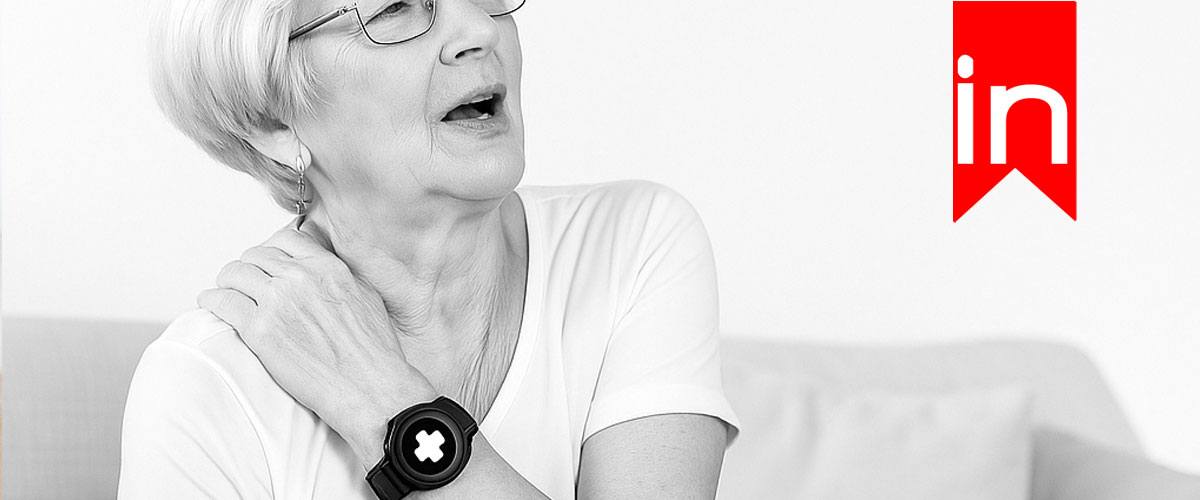
When thinking about bone health, what you don’t eat can be just as important as what you do. Osteoporosis, a condition characterized by porous, fragile bones, affects millions of people worldwide, particularly as they age. Avoiding certain foods that interfere with calcium absorption or contribute to bone loss can play a crucial role in preventing and managing osteoporosis alongside proper nutrition.
Many people don’t realize that high-sodium foods, excessive caffeine, and carbonated beverages may negatively impact bone density. Salt can increase calcium excretion through urine, while too much coffee might decrease calcium absorption in the intestines. Similarly, certain processed foods containing phosphoric acid can disrupt the calcium-phosphorus balance necessary for optimal bone health.
Alcohol consumption deserves special attention when discussing osteoporosis prevention. Excessive drinking not only interferes with calcium balance but can also affect hormones that maintain bone health. Moderation is key, as is focusing on a balanced diet rich in calcium-containing foods such as dairy products, leafy greens, and fortified alternatives.
Recent findings on osteoporosis management were highlighted in a press release distributed via NewswireJet, emphasizing the importance of dietary choices in maintaining and improving bone health.
Highlights
- Excessive salt, caffeine, and carbonated beverages can interfere with calcium absorption and contribute to bone loss in individuals with osteoporosis.
- Alcohol should be limited as it disrupts calcium balance and affects hormones essential for maintaining healthy bone density.
- A balanced diet rich in calcium and vitamin D is fundamental for strengthening bones and reducing fracture risk as we age.
Understanding Osteoporosis
Osteoporosis is a serious medical condition that affects millions worldwide, characterized by weakened bones and increased fracture risk. Understanding this condition helps in making informed dietary and lifestyle choices to support bone health.
What Is Osteoporosis?
Osteoporosis literally means “porous bones” and occurs when the body loses too much bone, makes too little bone, or both. This results in decreased bone density and deteriorating bone structure.
When viewed under a microscope, healthy bone resembles a honeycomb. In osteoporotic bone, the spaces in this honeycomb become notably larger, making bones fragile and more likely to break.
Bone mineral density tests measure the strength of one’s bones. Results below -2.5 on the T-score indicate osteoporosis, while scores between -1.0 and -2.5 suggest osteopenia, a precursor to osteoporosis.
Many people don’t realize they have osteoporosis until they experience a fracture, which is why it’s often called a “silent disease.”
Contributing Factors to Bone Loss
Several factors influence bone health and the development of osteoporosis. Age is a primary factor, as bone density naturally decreases after age 30.
Women face greater risk, particularly after menopause when estrogen levels drop. Men aren’t immune, though they typically develop osteoporosis later in life.
Key risk factors include:
- Family history of osteoporosis
- Low body weight or small frame
- History of fractures as an adult
- Calcium and vitamin D deficiency
- Sedentary lifestyle
- Smoking and excessive alcohol consumption
- Certain medications (particularly corticosteroids)
Nutritional habits substantially impact bone health, with inadequate calcium intake during formative years potentially limiting peak bone mass.
Recognizing Symptoms and Complications
Osteoporosis typically produces no symptoms until a fracture occurs. However, some may notice gradual signs as the condition progresses.
Warning signs to watch for:
- Loss of height (getting shorter)
- Stooped posture or kyphosis (dowager’s hump)
- Back pain caused by fractures or collapsed vertebrae
- Bones that break more easily than expected
Fragility fractures—those occurring from minimal trauma—are the most serious complications. Hip fractures are particularly devastating, with studies showing they can lead to decreased mobility and independence.
Wrist fractures and vertebral fractures also commonly result from osteoporosis. Multiple vertebral fractures can cause chronic pain and affect lung function due to reduced chest capacity.
Calcium and Bone Health
Calcium serves as the fundamental building block for bone structure and maintenance. Proper calcium intake and absorption are essential factors in preventing bone loss associated with osteoporosis.
Importance of Calcium Intake
Calcium forms the structural foundation of our skeleton, playing a crucial role in maintaining bone density and strength. Without adequate calcium, our bodies begin to extract this mineral from our bones, leading to decreased bone mass and increased fracture risk.
Research consistently shows that proper calcium intake throughout life helps maximize peak bone mass during development and slows bone loss during aging. This is particularly important for postmenopausal women, who experience accelerated bone loss due to declining estrogen levels.
For individuals diagnosed with osteoporosis, calcium intake becomes even more critical as part of a comprehensive treatment strategy. Combined with weight-bearing exercise and appropriate medication when necessary, calcium helps manage the progression of bone loss.
Daily Calcium Requirements
Daily calcium needs vary by age, sex, and life stage:
| Age Group | Recommended Daily Calcium Intake (mg) |
|---|---|
| Adults 19-50 | 1,000 |
| Women 51+ | 1,200 |
| Men 51-70 | 1,000 |
| Men 71+ | 1,200 |
| Pregnant/Lactating | 1,000-1,300 |
Most Canadians don’t consume enough calcium through diet alone. Dairy products provide excellent sources—one cup of milk contains approximately 300mg of calcium.
Non-dairy options include fortified plant milks, canned salmon with bones, tofu made with calcium sulfate, and leafy greens like kale. Supplements may be necessary for those who cannot meet requirements through food.
Calcium Absorption Factors
The body doesn’t absorb all consumed calcium. Several factors influence absorption efficiency:
Enhancing Factors:
- Vitamin D (crucial co-factor for calcium absorption)
- Appropriate stomach acid levels
- Smaller, spread-out doses throughout the day
Limiting Factors:
- High sodium intake increases urinary calcium excretion
- Excessive caffeine consumption
- Alcohol
- Phytates in some whole grains
- Oxalates in spinach and rhubarb
Vitamin D deserves special attention as it’s essential for calcium absorption. Many Canadians have insufficient levels, especially during winter months. Consider vitamin D supplementation of 800-1000 IU daily, particularly for those over 50 or with limited sun exposure.
Timing also matters—calcium supplements are best absorbed when taken with meals in doses no larger than 500mg at once.
Vitamin D’s Role in Osteoporosis Prevention
Vitamin D plays an essential role in maintaining bone health by facilitating calcium absorption, which directly impacts bone density and strength. Without adequate vitamin D, even the most calcium-rich diet cannot properly support bone health.
Vitamin D Deficiency
Vitamin D deficiency is surprisingly common, especially in northern climates like Canada where sun exposure is limited for much of the year. Research shows that deficiency significantly increases the risk of osteoporotic fractures.
Those with low vitamin D levels have demonstrated reduced calcium absorption, leading to accelerated bone loss. Clinical studies indicate that osteoporotic patients frequently have vitamin D levels below optimal ranges.
The elderly are particularly vulnerable to deficiency due to reduced skin synthesis of vitamin D, limited outdoor activities, and sometimes poor dietary intake. Other risk factors include darker skin tones, obesity, and certain medications that interfere with vitamin D metabolism.
Sources of Vitamin D
Natural food sources of vitamin D are somewhat limited but incredibly valuable for bone health.
Excellent food sources include:
- Fatty fish: Salmon (especially wild-caught), mackerel, sardines, and trout
- Egg yolks: Particularly from free-range chickens
- Fortified foods: Dairy products, plant-based milks, orange juice, and breakfast cereals
Many Canadians rely on fortified foods during winter months when sunlight exposure is minimal. A 250 mL glass of fortified milk provides about 100 IU of vitamin D, while a serving of fatty fish like salmon can deliver 600-1000 IU in a single portion.
Optimizing Vitamin D Levels
Achieving optimal vitamin D levels requires a thoughtful combination of diet, prudent sun exposure, and sometimes supplementation.
Most health authorities recommend blood levels between 75-100 nmol/L for optimal bone health. Regular testing is advisable, particularly for those at high risk for osteoporosis.
During summer months, 10-15 minutes of midday sun exposure on arms and legs several times weekly can help maintain adequate levels. In winter, supplementation is often necessary at doses between 800-2000 IU daily for most adults.
When selecting supplements, choose vitamin D3 (cholecalciferol) rather than D2, as it’s more effective at raising blood levels. Pairing vitamin D with magnesium-rich foods like dark leafy greens enhances its utilization in the body.
Dietary Culprits in Osteoporosis
While a nutritious diet plays a critical role in maintaining bone health, certain foods and beverages can actually undermine your skeletal strength and contribute to bone loss. Understanding these dietary factors is essential for anyone concerned about osteoporosis prevention.
Foods That Hinder Calcium Absorption
Certain foods contain compounds that interfere with the body’s ability to absorb calcium properly. Phytates, found abundantly in wheat bran and some whole grains, can bind to calcium and prevent its absorption.
Similarly, oxalates in spinach, rhubarb, and beet greens may reduce calcium availability despite these vegetables being otherwise nutritious. It’s best to consume these foods separately from calcium-rich meals.
Some research suggests that phosphoric acid in carbonated beverages may contribute to calcium loss. These fizzy drinks often replace more bone-friendly alternatives in the diet.
Excessive salt consumption forces the body to excrete calcium alongside sodium, potentially weakening bones over time. Processed foods typically contain hidden sodium that adds up quickly.
The Impact of Alcohol and Caffeine
Excess alcohol consumption is particularly detrimental to bone health. More than two drinks daily can interfere with vitamin D metabolism and reduce calcium absorption significantly.
Heavy drinking may also impair the activity of osteoblasts, the cells responsible for building new bone tissue. This imbalance accelerates bone loss and increases fracture risk.
Caffeine in coffee, tea, and some soft drinks can increase calcium excretion through urine. For every cup of coffee consumed, the body may lose approximately 6 mg of calcium.
Those with osteoporosis should limit caffeine to 300 mg daily—roughly three cups of coffee. Adding milk to your coffee or tea can help offset some calcium loss.
High Salt and Sugar Intake
High sodium diets force the kidneys to excrete more calcium. Studies show that for every 2,300 mg of sodium consumed, about 40-60 mg of calcium leaves the body.
Pre-packaged and restaurant foods often contain surprising amounts of salt. A single serving of canned soup might contain half the daily recommended sodium limit.
Excessive sugar consumption, particularly from sweetened beverages and processed foods, has been linked to reduced bone mineral density. Sugar-rich diets often displace more nutritious foods.
High-sugar diets may also increase inflammation throughout the body, which some research suggests could contribute to bone loss over time.
Protein: Balancing Quantity and Source
While protein is essential for bone structure, excessive animal protein intake, especially from red meat, can create an acidic environment that leaches calcium from bones. The body uses calcium to neutralize this acid load.
People with chronic kidney disease need to be particularly careful about protein intake, as impaired kidney function affects calcium metabolism and bone health.
Plant-based proteins from sources like legumes and nuts generally create less acid load while providing additional bone-supporting nutrients.
The ideal approach is moderation—consuming adequate but not excessive protein from varied sources. For most adults, this means 0.8 grams of protein per kilogram of body weight daily, with plenty coming from plant sources.
Nutrition for Strengthening Bones
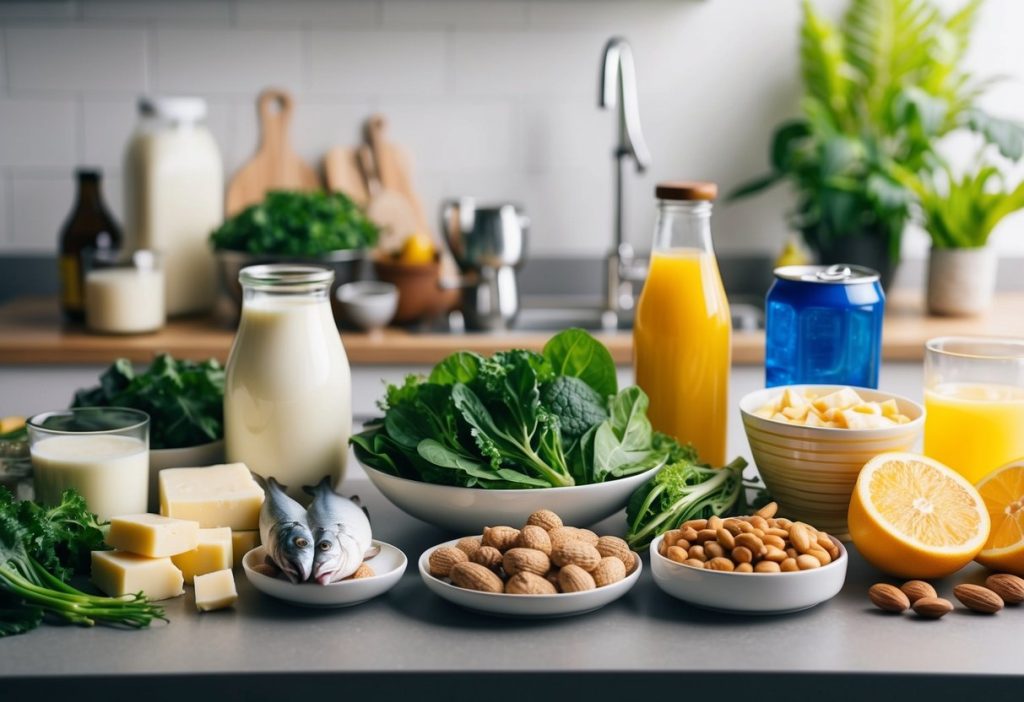
Good bone nutrition involves incorporating foods rich in calcium, vitamin D, and other essential minerals that support bone density and strength. A well-planned diet can significantly reduce the risk of osteoporosis and help maintain healthy bones throughout life.
Superfoods for Bone Density
Dark leafy greens are absolute treasures for bone health. Kale and spinach provide not only calcium but also vitamin K, which helps with calcium absorption and bone formation. A lovely bunch of kale sautéed with garlic makes a perfect side dish for any meal.
Broccoli deserves special mention as it contains calcium, magnesium, zinc, and vitamins K and C. One can steam it lightly to preserve its nutritional value and enhance its delicate flavour.
Seeds and nuts are wonderful bone-strengthening snacks. Sesame seeds contain impressive amounts of calcium, while almonds provide both calcium and protein. Try sprinkling toasted sesame seeds on salads or incorporating almond butter into morning smoothies.
Bone-Building Superfoods:
- Kale (calcium, vitamin K)
- Spinach (magnesium, vitamin K)
- Broccoli (calcium, vitamin K)
- Sesame seeds (calcium)
- Almonds (calcium, protein)
Balanced Meals for Bone Health
Creating balanced meals means combining different food groups to maximize calcium absorption and bone strength. Pairing calcium-rich foods with those high in vitamin D is particularly beneficial, as vitamin D facilitates calcium absorption.
Sweet potatoes make a wonderful base for bone-healthy meals. Their vitamin A content supports bone cell formation while providing a versatile canvas for other nutrients.
Legumes such as chickpeas, lentils, and black beans offer plant-based protein and minerals essential for bone matrix formation. A hearty bean soup with dark leafy greens creates a perfect bone-nourishing meal for chilly evenings.
Calcium-fortified foods like orange juice can supplement natural sources, especially for those with dairy restrictions. A morning glass provides both calcium and vitamin C, which supports collagen production in bones.
The Role of Fruits and Vegetables
Fruits and vegetables contribute significantly to bone health through their alkaline properties. They help neutralize acid in the body that might otherwise leach calcium from bones.
Citrus fruits supply vitamin C, essential for collagen formation in bones. A fresh orange or grapefruit makes a perfect mid-morning snack that supports bone structure and strength.
Berries contain antioxidants that help protect bone cells from damage. Blueberries, strawberries, and blackberries can be enjoyed fresh, frozen, or blended into smoothies with calcium-rich yogurt.
Potassium-rich produce like bananas and potatoes helps preserve calcium in the body. A baked sweet potato topped with a sprinkle of cinnamon offers a delightful combination of bone-supporting nutrients.
Bone-Friendly Produce Guide:
- Dark leafy greens (calcium, vitamin K)
- Citrus fruits (vitamin C)
- Berries (antioxidants)
- Sweet potatoes (vitamin A, potassium)
- Bananas (potassium, magnesium)
Weight-Bearing Exercises for Osteoporosis
Weight-bearing exercises are absolutely essential for maintaining and improving bone health for those with osteoporosis. These wonderful exercises force you to work against gravity while staying on your feet, which helps to strengthen bones and slow bone density loss.
Walking briskly around the neighbourhood is a splendid way to begin a weight-bearing exercise routine. It’s gentle on the joints but still provides that necessary impact to stimulate bone growth in the legs, hips, and spine.
Dancing is another delightful option that combines the joy of movement with bone-strengthening benefits. Whether it’s ballroom, folk, or simply moving to music in one’s living room, dancing engages multiple muscle groups while supporting bone health.
For those who are able, stair climbing is absolutely marvellous for strengthening the bones in the lower body. This activity particularly targets areas prone to hip fractures, making it valuable for long-term bone protection.
Low-impact aerobics classes designed specifically for older adults can be found at many community centres. These classes typically include movements that strengthen bones without placing excessive stress on fragile joints.
Weight training with light dumbbells or resistance bands is simply perfect for building both muscle and bone. Start with very light weights and increase gradually as strength improves.
Tennis, hiking, and jogging are excellent choices for individuals without severe osteoporosis. These activities provide moderate to high impact, which stimulates bone formation in weight-bearing areas.
Lifestyle Modifications to Prevent Bone Loss
Preventing bone loss requires more than just dietary adjustments. Lifestyle choices play a crucial role in maintaining bone density and reducing the risk of osteoporosis-related fractures.
Quit Smoking for Better Bone Health
Smoking has devastating effects on bone health. Research clearly demonstrates that tobacco use accelerates bone loss and significantly increases fracture risk. Smokers typically have lower bone density than non-smokers of the same age and weight.
Women who smoke often experience menopause earlier, which leads to accelerated bone loss. The chemicals in cigarettes interfere with the body’s ability to absorb calcium and other nutrients essential for bone formation.
Quitting smoking at any age can help reduce the rate of bone loss. Within ten years of cessation, former smokers can significantly decrease their fracture risk compared to those who continue smoking. For those with osteoporosis, smoking cessation is perhaps one of the most impactful lifestyle changes for preventing further bone deterioration.
Alcohol Consumption and Osteoporosis
Excessive alcohol consumption is particularly harmful to bone health. Regular heavy drinking interferes with the balance of calcium in the body and decreases bone formation, contributing to decreased bone density and increased fracture risk.
Alcohol also affects the production of hormones that protect bones and can lead to cortisol elevation, which further accelerates bone loss. For those concerned about bone health, limiting alcohol intake is essential.
Health authorities recommend no more than one drink daily for women and two for men. For individuals already diagnosed with osteoporosis, even further reduction may be beneficial. When enjoying social occasions, opt for non-alcoholic alternatives or limit consumption to special occasions.
Managing Chronic Conditions
Certain chronic conditions can accelerate bone loss if not properly managed. Rheumatoid arthritis, an inflammatory condition, can lead to both localized and generalized bone loss, increasing fracture risk throughout the body.
Chronic kidney disease disrupts the delicate balance of minerals needed for bone health. Regular monitoring and treatment by specialists can minimize these effects and slow bone deterioration.
Medications for conditions like epilepsy, depression, and autoimmune disorders may also contribute to bone loss. Never stop prescribed medications, but do discuss bone health concerns with your physician.
Regular bone density testing is particularly important for those with chronic conditions. Early intervention can prevent disability and maintain independence. Working closely with healthcare providers to manage chronic conditions effectively represents a crucial strategy for protecting bone health.
Risk Factors and Prevention
Understanding what contributes to osteoporosis development and how to prevent it can significantly impact bone health throughout life. Both genetic and lifestyle factors play important roles in determining one’s susceptibility to this condition.
Identifying Individual Risk Factors
Age is a primary risk factor for osteoporosis, with bone density naturally declining as we age. Women face higher risks, particularly after menopause when estrogen levels decrease rapidly, accelerating bone loss.
Body size also matters significantly. People with smaller frames or low body weight may develop osteoporosis more easily since they have less bone mass to lose compared to those with larger builds.
Family history cannot be overlooked. If close relatives have experienced osteoporosis or fragility fractures, one’s personal risk increases substantially. Certain medications, particularly long-term corticosteroids, can weaken bones over time.
Excessive alcohol consumption presents another serious concern. Alcoholism has been identified as a major risk factor for developing osteoporosis, as it interferes with calcium absorption and bone formation.
Preventative Measures
Diet plays a crucial role in osteoporosis prevention. Calcium-rich foods like dairy products contribute to stronger bones, though it’s important to balance them with phosphorus and potassium sources that help prevent calcium loss through urine.
Regular weight-bearing exercise strengthens bones by stimulating new bone formation. Activities like walking, dancing, or strength training should be incorporated into one’s routine several times weekly.
Vitamin D deserves special attention as it helps the body absorb calcium properly. Moderate sun exposure and foods like fatty fish or fortified products can boost vitamin D levels naturally.
Limiting phosphoric acid consumption found in many soft drinks is advisable. These beverages may contribute to hypocalcemia, a condition where blood calcium levels drop too low, potentially accelerating bone loss.
Take Charge of Your Bone Health
Preventing osteoporosis and maintaining stronger bones is well within reach when you focus on limiting foods that hinder calcium absorption—like those high in sodium, caffeine, and sugars—while prioritizing a nutrient-rich, balanced diet. Whether it’s replacing carbonated beverages with fortified milk or upping your intake of vitamin D and calcium, these small changes can make a big difference in preserving bone density. Coupled with weight-bearing exercises, moderation in alcohol, and a lifestyle that supports healthy habits, you can actively protect your bones from further deterioration. Remember, even simple adjustments, made consistently over time, can help reduce fracture risk and foster better overall bone health.
Stopping Scammers Who Target Seniors
Ontario Over 80 Driving Test Requirements And Renewal Process