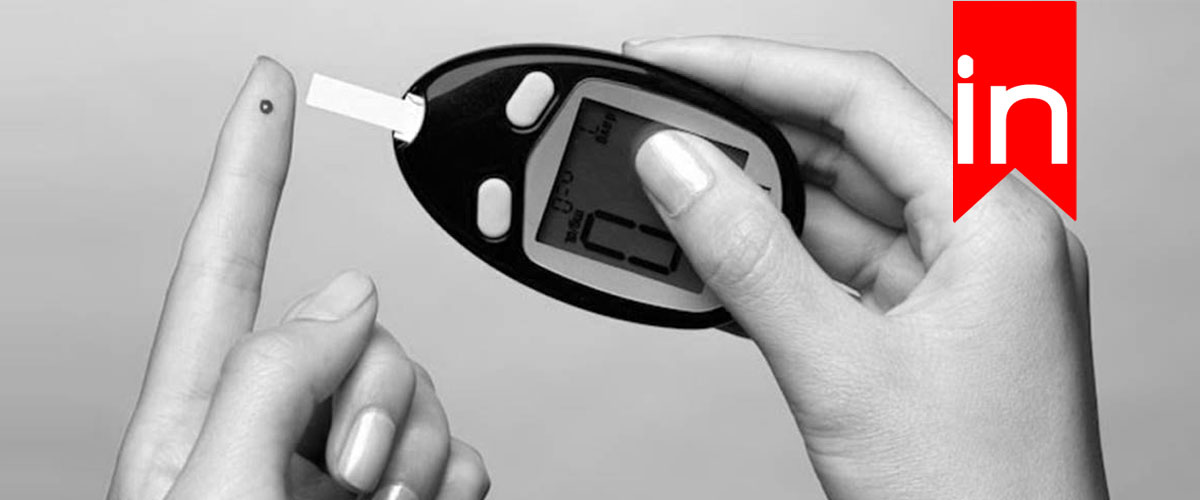

Medical alert systems have become invaluable tools for diabetics, offering peace of mind and potentially life-saving assistance. These systems monitor vital health parameters and can swiftly alert caregivers or emergency services when needed. Advanced wearable devices now track blood glucose levels, heart rate, and other critical indicators, providing real-time data to help diabetics manage their condition more effectively.
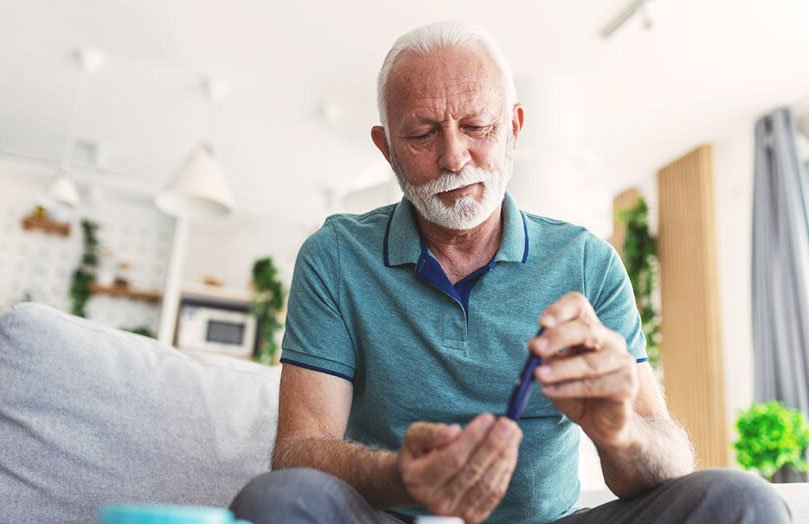
For individuals living with diabetes, these alert systems serve as a constant guardian, ready to respond at the first sign of trouble. They can detect sudden drops in blood sugar or other concerning changes, triggering immediate notifications to designated contacts. This quick response capability is particularly crucial for those who live alone or have unpredictable blood sugar fluctuations.
Modern medical alert systems for diabetics often integrate with smartphones and home automation technology, creating a comprehensive health monitoring network. This seamless connectivity allows for more accurate tracking of patterns and trends, enabling both patients and healthcare providers to make informed decisions about diabetes management.
Highlights
- Medical alert systems provide round-the-clock monitoring and emergency response for diabetics.
- Advanced wearables track vital health data, offering real-time insights for better diabetes management.
- Integration with smart technology enhances the effectiveness of medical alert systems for diabetic care.
Understanding Medical Alert Systems
Medical alert systems provide crucial safety and support for individuals with diabetes. These devices offer peace of mind and quick access to help in emergencies.
What Are Medical Alert Systems?
Medical alert systems are personal emergency response devices designed to summon assistance when needed. For diabetics, these systems can be lifesavers during episodes of hypoglycemia or other complications. They typically consist of a wearable help button and a base unit connected to a monitoring centre.
Modern systems often include GPS tracking for location services and fall detection technology. Some feature water-resistant designs, perfect for wearing in the shower. Wi-Fi connectivity allows for broader coverage in the home.
In-home medical alert systems are ideal for those who spend most of their time at home. Mobile medical alert systems offer protection on the go, using cellular networks to maintain contact with monitoring services.
Functionality and Features
The core function of a medical alert system is the help button. With a simple press, it connects the user to a monitoring centre staffed by trained professionals. These centres operate 24/7, ensuring help is always available.
Many systems now boast impressive battery life, reducing the need for frequent charging. Response times are typically swift, with most centres answering calls within seconds.
Advanced features may include:
- Automatic fall detection
- Two-way voice communication
- Medication reminders
- Integration with smartphone apps
For diabetics, some systems can even monitor blood sugar levels and alert caregivers to dangerous fluctuations. This proactive approach to health management can prevent emergencies before they occur.
Importance for Diabetics
Medical alert systems provide crucial support for individuals living with diabetes. These devices offer peace of mind and potentially life-saving assistance in emergencies.
Risks Associated with Diabetes
Diabetes carries serious health risks that can lead to medical emergencies. Blood sugar fluctuations, particularly hypoglycemia (low blood sugar), can cause dizziness, confusion, and loss of consciousness. Severe cases may result in seizures or coma if not promptly treated.
Diabetics are also at higher risk for heart attacks and strokes. Complications like diabetic ketoacidosis can develop rapidly, requiring immediate medical attention. Nerve damage from diabetes may impair sensation, making injuries or infections harder to notice.
Regular monitoring and quick access to help are essential for managing these risks effectively.
How Medical Alert Systems Can Help
Medical alert systems offer diabetics a reliable lifeline in emergencies. With the push of a button, users can instantly connect to trained professionals who can assess the situation and dispatch help.
These systems often include wearable devices that detect falls, a common risk for diabetics experiencing hypoglycemia. Some advanced models can even monitor blood sugar levels and alert caregivers to dangerous fluctuations.
For diabetics living alone, medical alert systems provide round-the-clock monitoring. This extra layer of security allows for more independent living while ensuring help is always available.
Many systems offer medication reminders, helping diabetics stay on top of their insulin schedule. GPS tracking features can locate users who may become disoriented due to blood sugar issues.
Top Medical Alert Systems
Medical alert systems provide crucial support for diabetics, offering peace of mind and quick access to help. These devices come in various forms, from in-home units to mobile options, with several reputable providers offering tailored solutions.
In-Home vs Mobile Systems
In-home systems are ideal for diabetics who spend most of their time at home. They typically include a base station and wearable pendant or wristband. The base unit connects to a landline or cellular network, allowing users to call for help with the press of a button.
Mobile systems, on the other hand, offer protection both at home and on the go. These portable devices use GPS technology to pinpoint the user’s location in emergencies. They’re perfect for active diabetics who enjoy outings or travel frequently.
Some providers, like Medical Guardian, offer hybrid options that combine in-home and mobile features. Their MGMove smartwatch, for instance, provides fall detection, GPS tracking, and medication reminders in a stylish package.
Key Providers to Consider
Bay Alarm Medical is known for its reliable in-home systems and mobile GPS units. They offer 24/7 monitoring and multilingual support, which is quite handy.
LifeStation provides both traditional and mobile alert systems with fall detection. Their waterproof devices are particularly useful for diabetics who may experience dizzy spells in the shower.
MobileHelp offers a range of systems, including a smartwatch option. Their devices integrate with a free health and activity tracking app, perfect for managing diabetes-related health data.
Lively (formerly GreatCall) specializes in mobile devices designed for seniors. Their Jitterbug Smart3 smartphone includes health and safety features tailored for diabetics.
Aloe Care Health stands out with its voice-activated systems and air quality monitoring, which can be beneficial for diabetics with respiratory concerns.
Features to Look for in a Good System
When selecting a medical alert system for diabetics, certain key features can make a significant difference in safety and peace of mind. The right combination of functions ensures reliable support during emergencies.
GPS and Fall Detection
GPS tracking is an essential feature for diabetics who may experience sudden drops in blood sugar levels while away from home. This technology allows emergency responders to quickly locate the user if they become disoriented or unconscious.
Fall detection technology is another crucial component. It automatically alerts the monitoring centre if a fall is detected, which is particularly important for diabetics who may be at higher risk of falls due to neuropathy or vision problems.
Many systems offer wearable devices with these features, allowing for constant monitoring without restricting mobility. Look for pendants or wristbands that are comfortable and discreet.
Battery Life and Durability
A reliable medical alert system should have a long-lasting battery. Opt for devices with at least 24-48 hours of battery life to ensure continuous protection.
Battery backup is crucial for home-based units to maintain functionality during power outages. This feature is especially important for diabetics who rely on electricity for insulin storage or other medical equipment.
Durability is key for wearable devices. They should be water-resistant to withstand daily activities like showering or light rain. A sturdy design helps prevent damage from accidental drops.
Extras That Make a Difference
Two-way communication is a valuable feature that allows users to speak directly with monitoring centre staff during an emergency. This can be particularly reassuring for diabetics who may need to explain their specific situation.
Some systems offer medication reminders, which can be helpful for managing insulin doses or other diabetes medications. Look for customizable alert options to suit individual needs.
Integration with smartphones or smart home devices can provide additional convenience. These features may allow for easier system management and expanded communication options.
Consider systems that offer caregiver portals or apps. These tools can keep family members informed about the user’s status and any emergency events, providing added support for diabetic individuals.
Setting Up and Using Your System
A medical alert system for diabetics provides crucial monitoring and assistance. Proper setup and consistent use ensure the system functions optimally to support diabetes management.
Installation Process
The installation process typically begins with unboxing the device and its components. Users should carefully read the instruction manual before proceeding. Most systems come with a base station that requires connection to a power outlet and telephone line. For mobile units, charging the device fully before first use is essential.
Next, users programme emergency contact numbers into the system. This often involves calling the provider’s customer service line for assistance. They’ll guide users through entering medical information and setting alert parameters for blood glucose levels.
Many systems now offer smartphone apps for caregivers. These require downloading and linking to the user’s account. It’s wise to test the system thoroughly once set up to ensure all features work correctly.
Daily Use and Maintenance
Incorporating the alert system into daily diabetes management is crucial. Users should wear any wearable components consistently and keep mobile units within reach. It’s important to test the system regularly, typically by pressing the help button once a month.
Diabetics should input their blood glucose readings as directed. Some systems allow automatic data transfer from compatible glucose meters. Users must respond promptly to any alerts or alarms the system generates.
Regular maintenance includes keeping devices clean and replacing batteries as needed. For systems with cellular connectivity, ensuring the device remains in areas with good signal coverage is vital. Users should update emergency contact information whenever changes occur.
Customer service often provides ongoing support for troubleshooting and answering questions about system use. Many providers offer 24/7 assistance to address any concerns promptly.
Emergency Response and Support Services
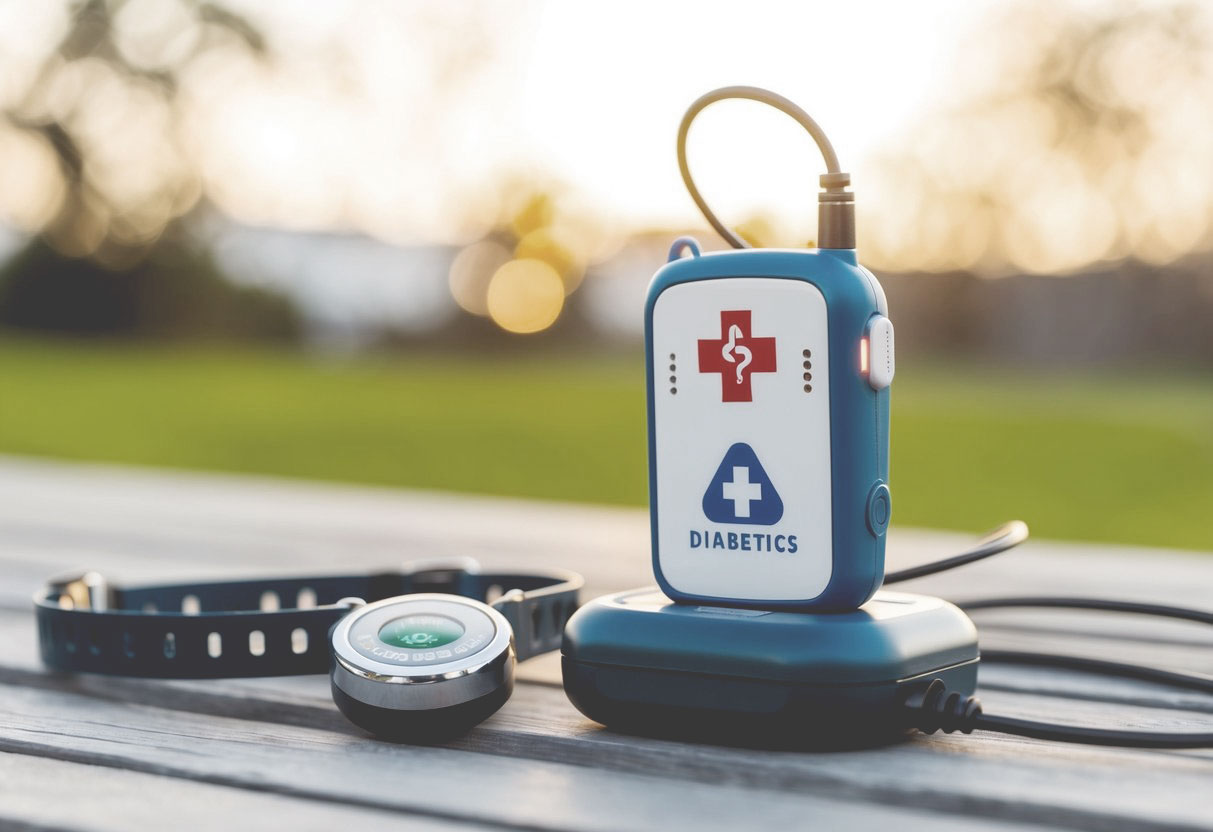
Medical alert systems for diabetics provide crucial support during emergencies. These services offer rapid assistance and monitoring to ensure timely intervention when needed.
Role of Monitoring Centres
Monitoring centres form the backbone of emergency response for diabetic patients. Staffed by trained professionals, these centres operate 24/7 to handle alerts from medical devices. When a diabetic experiences severe hypoglycemia or other complications, the centre springs into action.
Operators quickly assess the situation and dispatch appropriate help. This may include contacting family members, sending paramedics, or guiding the patient through self-care steps. The centres maintain detailed medical profiles for each user, enabling tailored responses.
Many centres also offer proactive services. They may conduct regular check-ins or provide reminders for medication and blood sugar testing. This ongoing support helps prevent emergencies before they occur.
Speed and Quality of Assistance
Fast response times are critical in diabetic emergencies. Top-tier medical alert systems boast average response times of 15-30 seconds. This swift action can be life-saving, especially in cases of severe hypoglycemia.
The quality of assistance is equally important. Emergency call centres employ staff with medical training, often including nurses and EMTs. They’re equipped to provide clear, calm guidance during crises.
Many systems now integrate GPS technology. This feature allows responders to locate patients quickly, even if they’re unable to communicate. Some advanced devices can automatically detect falls or unusual blood sugar levels, triggering alerts without user intervention.
Customer support extends beyond emergencies. Quality services offer 24/7 technical support, helping users troubleshoot devices and maintain peace of mind.
Financial Considerations
Medical alert systems for diabetics offer crucial safety benefits, but come with monetary factors to weigh. Pricing structures and potential insurance coverage can significantly impact the affordability of these life-saving devices.
Costs and Payment Options
Most medical alert systems for diabetics have monthly fees ranging from $20 to $60. Companies often provide affordable pricing tiers based on features and monitoring levels. Many offer risk-free trials, allowing users to test the system before committing. Some providers include a money-back guarantee, providing peace of mind for new subscribers.
Look for systems with no long-term contracts or cancellation fees. This flexibility can be invaluable if needs change. Some companies offer discounts for annual payments or when adding multiple users to an account.
Insurance and Savings Opportunities
While traditional Medicare doesn’t cover medical alert systems, some Medicare Advantage plans may offer partial or full coverage. It’s worth checking with your insurer about potential benefits.
Long-term care insurance policies sometimes include provisions for personal emergency response systems. Review your policy or consult an insurance agent to explore this option.
Some providers offer discounts for veterans, AARP members, or individuals with certain medical conditions. Ask about any available promotions or savings programs when researching systems.
Tax deductions may be possible if the system is deemed medically necessary. Consult a tax professional to determine eligibility.
Leveraging Technology for Safety and Independence
Modern medical alert systems for diabetics blend cutting-edge technology with user-friendly features. These innovative solutions provide enhanced safety and promote independence for individuals managing diabetes.
Innovative Features and Smart Technology
Today’s medical alert systems offer a wealth of advanced capabilities. Smartwatches with built-in glucose monitoring and SOS functions allow for discreet, round-the-clock health tracking. Many devices incorporate GPS options, ensuring help can be summoned quickly in emergencies.
Voice activation technology enables hands-free operation, perfect for those with mobility challenges. Sophisticated activity tracking monitors daily routines, alerting caregivers to potential issues. Some systems boast impressive AI algorithms that learn users’ habits, flagging unusual patterns that may indicate health concerns.
Portable help buttons provide an extra layer of security, allowing users to call for assistance from anywhere in their homes. Many companies now offer a “SecureScore” feature, assessing overall system effectiveness and suggesting improvements.
Staying Connected with Loved Ones
Modern alert systems excel at keeping diabetics connected with their support network. User-friendly smartphone apps allow family members to check in remotely, offering peace of mind.
Caregiver features enable loved ones to receive real-time updates on glucose levels, medication schedules, and activity patterns. Some systems facilitate direct communication between users and caregivers through built-in messaging or video chat functions.
Many devices now integrate with smart home technology, allowing caregivers to remotely adjust thermostats or lighting for added comfort and safety. Activity monitoring features can send alerts if unusual inactivity is detected, prompting a quick wellness check.
Client Testimonials and Reviews
Users of medical alert systems for diabetics share heartwarming stories of enhanced safety and independence. Their experiences highlight the significant impact these devices have on daily life and peace of mind.
Personal Stories of Protection and Peace of Mind
Mary, 65, credits her medical alert system for saving her life during a severe hypoglycemic episode. “I couldn’t reach my phone, but I pressed the button on my pendant. Help arrived within minutes,” she recalls.
John, a father of two, feels more confident managing his son’s type 1 diabetes. “The system allows us to monitor his blood sugar remotely. It’s a game-changer for our family’s peace of mind,” he shares.
Sarah, 78, cherishes her newfound independence. “I can garden and take walks knowing help is just a button-press away if my blood sugar drops,” she beams.
Comparing Experiences and Recommendations
Many users praise the TMA Five Diamond Certified monitoring centres for their prompt and professional responses. Robert, who’s used his system for three years, notes, “The operators are always kind and knowledgeable.”
Comparing different brands, users often highlight ease of use and reliability as key factors. Linda explains, “I’ve tried two systems, and the current one’s simple interface makes testing a breeze.”
Battery life and range are common discussion points. George raves, “My new system lasts a week between charges and works in the garden. It’s brilliant.”
Users consistently recommend choosing a system with fall detection. Margaret advises, “It’s worth the extra cost for added safety,” echoing many others’ sentiments.
0 responses