
Many people overlook how much their daily diet can impact eye health, but certain foods have been linked to a higher risk of vision problems. While genetics and age play a role, consuming foods high in simple carbohydrates, processed meats, fried items, and sugary drinks may contribute to declining eyesight over time. These choices can increase inflammation and affect blood sugar, negatively influencing eye health.
It is important to know which foods can potentially harm vision. Avoiding or limiting white bread, pasta, processed snacks, and soft drinks can help protect eyes from conditions like age-related macular degeneration and diabetic retinopathy. A balanced, nutritious diet supports long-term eye health and overall well-being.
Highlights
- Certain foods may increase the risk of eye diseases.
- Healthy eating patterns protect eyesight.
- Limiting harmful foods and choosing better options can support vision.
How Diet Impacts Eye Health
A balanced diet supports eye health by providing nutrients that help protect vital structures such as the retina and macula. Poor nutrition can increase the risk of developing eye diseases like age-related macular degeneration (AMD) and other vision problems.
Essential Nutrients for Healthy Vision
Several vitamins and minerals are essential for maintaining the health of the eye, especially the retina and macula. Vitamin A is crucial for preventing night blindness and maintaining proper function of the retina. Good sources include carrots, sweet potatoes, and dark leafy greens.
Vitamin C and Vitamin E are important antioxidants that help reduce oxidative stress in eye tissues, particularly in the macula. Citrus fruits, nuts, and spinach are excellent sources. Zinc is also necessary as it helps transport vitamin A from the liver to the retina to produce melanin, a protective pigment in the eye.
A deficiency in any of these nutrients may contribute to a higher risk of developing macular degeneration or AMD. Including a range of colourful vegetables, fruits, nuts, and seeds in the diet is an effective way to support overall vision health.
Understanding the Role of Antioxidants
The eye is highly susceptible to oxidative stress, especially the retina and macula which are exposed to light and oxygen. Antioxidants help protect these sensitive tissues from free radical damage. Key antioxidants for vision include lutein, zeaxanthin, beta-carotene, as well as vitamin C and vitamin E.
Lutein and zeaxanthin are found in high concentrations in the macula and are known to filter harmful blue light. Foods rich in these antioxidants include kale, spinach, broccoli, and corn. Regular consumption of these foods has been linked to a lower risk of AMD and cataracts.
Beta-carotene converts to vitamin A in the body, further supporting retinal health. Including a variety of antioxidant-rich foods each day helps reduce the risk of eye diseases related to oxidative stress.
The Importance of Omega-3 Fatty Acids
Omega-3 fatty acids play a significant role in the structure and function of the retina. They assist in the maintenance of cell membranes and can help decrease inflammation, which is particularly important for those at risk of macular degeneration and dry eye syndrome.
Fatty fish such as salmon, mackerel, herring, and sardines are top sources of long-chain omega-3s (EPA and DHA). People who include these fish in their diet at least twice a week have been found to have a lower risk of developing advanced AMD.
Vegetarian sources of omega-3s (ALA) include flaxseeds and walnuts, though these convert less efficiently to DHA. Including a combination of these foods helps maintain healthy vision and support the integrity of retinal tissues.
Foods That Can Harm Your Eyesight
Certain foods are linked to an increased risk of eye diseases, particularly through their effects on blood sugar, inflammation, and overall metabolic health. Making informed food choices is important for anyone concerned about their vision or who has a family history of eye disease.
Fried and Processed Foods
Fried foods and highly processed snacks often contain unhealthy fats, such as trans fats and saturated fats. These “bad fats” can increase inflammation in the body, which has been studied as a factor in the development of age-related eye conditions.
Fried chicken, chips, margarine, and many ready-to-eat meals can raise cholesterol and negatively impact blood vessels, including those in the eyes. Inflammation from frequent consumption of fried foods can also lead to cellular damage within the retina. People who consume large amounts of processed meats and fried snacks may be at greater risk for problems like macular degeneration.
High Sugar and Refined Carbohydrate Foods
Sugary drinks, pastries, and foods made from refined grains (like white bread and pasta) can raise blood sugar levels sharply. Chronic high blood sugar is known to increase the risk of diabetic retinopathy, a leading cause of vision loss in adults.
Consuming a diet high in refined carbohydrates and added sugar can contribute to insulin resistance, prediabetes, or diabetes. These conditions are associated with damage to the small blood vessels in the eyes. Epidemiological studies suggest that people with a history of unhealthy carbohydrate intake may have a higher incidence of cataracts or other chronic eye diseases.
High Fat and Red Meat Intake
Frequent consumption of red meat and high-fat dairy products is often linked to higher cholesterol and saturated fat intake. High cholesterol can lead to atherosclerosis, which affects blood flow throughout the body, including to the eyes.
Red and processed meats may also increase inflammation, which impacts the progression of certain eye diseases like age-related macular degeneration. Limiting saturated and trans fats, which are also found in full-fat dairy, is recommended to protect vascular health.
A family history of cardiovascular problems, combined with high intake of red meat and fatty foods, may heighten risk factors for vision issues. Replacing red meat with lean protein sources and limiting processed dairy can help support eye health.
Specific Eye Diseases Associated With Poor Diet
A diet high in simple carbohydrates, added sugars, and saturated fats can have a direct impact on a range of eye conditions. Consuming processed foods and lacking essential vitamins and nutrients can increase the risk of vision loss through multiple diseases.
Macular Degeneration and Poor Nutrition
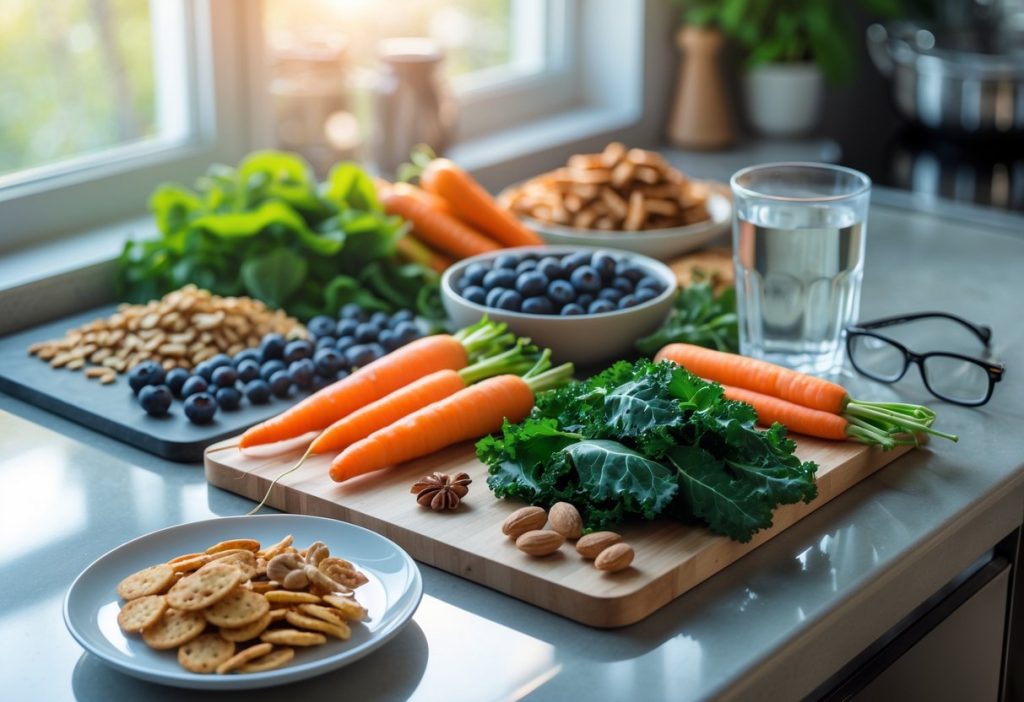
Age-related macular degeneration (AMD) is closely linked to dietary choices. Research has shown that diets rich in saturated fats, highly processed foods, and low in fruits and vegetables raise the risk of developing AMD.
Nutrients like vitamin A, vitamin C, and lutein play a role in protecting the retina. People who consume more leafy greens, citrus fruits, and colourful vegetables tend to have a lower risk of macular degeneration.
A lack of antioxidants and a high intake of simple carbohydrates can increase the chance of progressing to late-stage AMD.
Key Nutrients:
- Vitamins A & C
- Lutein
- Zeaxanthin
Foods to Limit:
- White bread
- Fried foods
- Processed snacks
Cataracts and Dietary Habits
Cataracts involve clouding of the eye’s lens and are influenced by long-term dietary habits. Frequent consumption of foods low in vitamin C, antioxidants, and minerals may speed up lens clouding.
High sugar intake can also contribute to cataracts by impairing the metabolism of lens proteins. People who eat plenty of fruits and vegetables high in antioxidants, particularly citrus fruits and leafy greens, may have a lower risk.
On the other hand, diets high in refined carbohydrates (such as white bread and pasta) and low in produce have been associated with a greater incidence of cataracts.
Helpful Habits:
- Eat oranges, berries, and spinach
- Avoid frequent sugary drinks and sweets
Diabetic Retinopathy and High Sugar Foods
Diabetic retinopathy results from high blood sugar damaging the blood vessels in the retina. Diets high in added sugars and refined carbohydrates—such as pastries, candies, and sweetened beverages—increase the risk of diabetes and, by extension, diabetic eye disease.
Controlling carbohydrate intake and focusing on balanced meals reduces dramatic changes in blood sugar. People with diabetes who avoid spikes caused by processed foods and opt for whole grains, vegetables, and lean proteins tend to have fewer complications.
Keeping blood sugar in the recommended range is one of the most crucial steps to preventing retinopathy or limiting its progression.
Risk Factors:
- Regular consumption of sugary foods
- Frequent use of refined flour products
- Inconsistent meal patterns
Glaucoma and High Blood Pressure
Glaucoma is a group of diseases causing damage to the optic nerve, often related to increased pressure inside the eye. High blood pressure can worsen this risk.
Diets high in sodium, processed foods, and unhealthy fats can raise blood pressure, further increasing the chances of glaucoma-related vision loss. Maintaining healthy blood pressure through reduced salt intake, consumption of fruits and vegetables, and not overeating processed foods may support eye health.
Foods to Limit:
- Salted snacks
- Processed meats
- Fast food
Recommended Choices:
- Bananas
- Sweet potatoes
- Leafy greens
Examples of Eye-Healthy and Eye-Harming Foods
The foods individuals choose can impact eye health, either supporting vision or increasing risks for certain conditions. Certain nutrients help protect against age-related deterioration, while some ingredients in common foods may contribute to problems over time.
Top Foods That Promote Vision Health
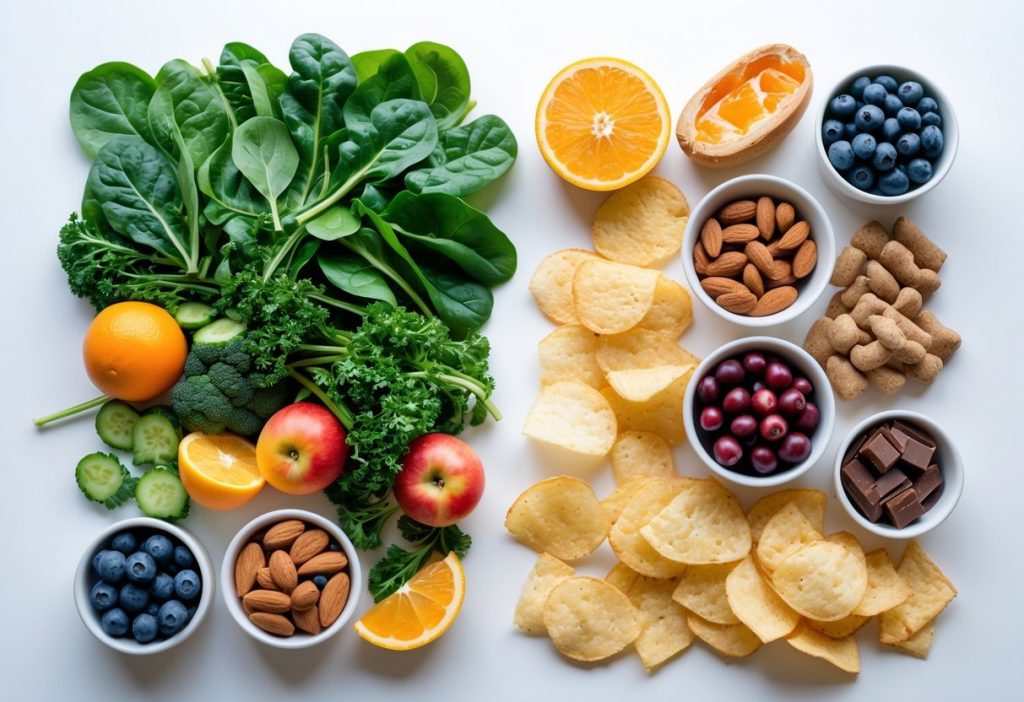
Several foods are notable for their protective nutrients. Carrots offer beta-carotene (vitamin A), which plays a role in retina health. Leafy greens like spinach and kale supply lutein and zeaxanthin, which help filter harmful blue light. Egg yolk is another source of lutein, along with vitamin D.
Brightly coloured vegetables such as peppers, as well as fruits like blueberries, grapes, and strawberries, provide antioxidants, including vitamin C. This vitamin helps fight free radical damage within eye tissues. Broccoli adds both vitamin C and beta-carotene.
Oysters are among the richest sources of zinc, which is essential for proper eye function. Almonds supply vitamin E, which may slow age-related macular degeneration. Drinking tea for polyphenols and eating small amounts of dark chocolate for flavonoids can also support blood flow to the eyes.
| Food | Key Nutrient(s) |
|---|---|
| Carrots | Beta-carotene |
| Spinach, Kale | Lutein, Zeaxanthin |
| Egg yolk | Lutein, Vitamin D |
| Blueberries | Vitamin C |
| Oysters | Zinc |
| Almonds | Vitamin E |
Examples of Foods Detrimental to Eyesight
Simple carbohydrates like white bread and pasta can raise blood sugar levels, which is linked to a higher risk of age-related macular degeneration (AMD). Fried foods and overly processed foods contain saturated and trans fats that may accelerate cataract formation by promoting oxidative stress.
Processed meats such as bacon and sausages are often high in sodium, which can contribute to hypertension and potentially damage the blood vessels in the eyes. Margarine and other sources of bad fats have also been associated with inflammation that may affect vision.
Regularly consuming large amounts of red meat and full-fat dairy products can increase saturated fat intake, which has been linked to higher rates of certain eye diseases. Excessive sugary drinks and low-fibre snack foods may also indirectly harm eyesight by contributing to systemic health problems that impact eye health.
| Food | Concern |
|---|---|
| White bread, pasta | High glycaemic load |
| Fried foods | Bad fats, oxidative stress |
| Processed meats | High sodium |
| Margarine | Trans fats |
| Red meat, dairy | Saturated fat |
Other Lifestyle and Dietary Risk Factors
A person’s overall health has a direct effect on their vision. Besides food choices, factors like weight, chronic illness, and inflammation play a significant role in eye health.
Obesity and Chronic Disease Links
Obesity has been connected to a greater risk of developing several eye conditions, including diabetic retinopathy and age-related macular degeneration (AMD). People with obesity are more likely to develop type 2 diabetes, which can cause damage to blood vessels in the eyes and lead to vision loss.
A public health concern, diabetes is one of the leading causes of preventable blindness among adults. Obesity also increases the risk of high blood pressure and cardiovascular disease, further impacting eye health over time. Early intervention and weight management may help lower these risks.
Key conditions associated with obesity
| Condition | Vision-Related Risk |
|---|---|
| Type 2 Diabetes | Diabetic Retinopathy |
| Hypertension | Retinal Vascular Changes |
| Cardiovascular Disease | Reduced Ocular Blood Flow |
Inflammation and Eye Health
Inflammation is a biological response that, when chronic, can contribute to the development of eye disease. Diets high in processed foods, added sugars, and saturated fats can foster persistent inflammation.
Chronic inflammation is linked to an increased risk of AMD, cataracts, and other degenerative conditions. Anti-inflammatory nutrients—such as omega-3 fatty acids, lutein, zeaxanthin, and Vitamin C—can help protect against cellular damage in the eyes.
Individuals with inflammatory conditions like rheumatoid arthritis or autoimmune diseases are at higher risk for vision problems. Reducing inflammatory triggers and increasing anti-inflammatory foods in the diet is a targeted strategy in public health and preventive ophthalmology.
Research on Dietary Patterns and Vision Loss
Epidemiological research and several meta-analyses suggest that Western dietary patterns—characterized by high intakes of refined carbohydrates, processed meats, and sugary foods—increase the likelihood of vision loss, especially through AMD.
Conversely, plant-based diets with abundant fruits, vegetables, whole grains, nuts, and oily fish have been shown to lower the risk of eye disease. Studies highlight how nutrient-rich foods supply antioxidants and essential vitamins, supporting long-term eye function.
Population data indicate that integrating healthier eating habits can significantly affect the prevalence and progression of vision loss.
Recommendations for Maintaining Eye Health Through Diet
A healthy diet rich in targeted nutrients supports vision and lowers the risk of eye diseases. Regular eye exams and preventive steps also play an important role in preserving night vision and overall eye function.
Building a Balanced, Eye-Healthy Plate
A balanced plate should include a variety of fruits and vegetables, especially leafy greens like spinach and kale, which supply lutein and zeaxanthin—nutrients linked to lower risk of age-related macular degeneration (AMD). Orange-coloured vegetables, such as carrots and sweet potatoes, offer beta-carotene, which the body converts to vitamin A and is important for night vision.
Whole grains are recommended over simple carbohydrates found in white bread and pasta, since high-glycaemic foods may raise the risk of AMD. Incorporating healthy fats, such as those from fish rich in omega-3 fatty acids, supports retinal health. Nuts and seeds provide vitamin E, an antioxidant that helps maintain healthy cells.
A sample plate may include:
| Food Group | Example Foods | Nutrients for Eye Health |
|---|---|---|
| Leafy Greens | Spinach, kale | Lutein, zeaxanthin |
| Orange Veggies | Carrots, sweet potatoes | Beta-carotene, vitamin A |
| Protein | Salmon, trout, eggs | Omega-3, zinc |
| Whole Grains | Brown rice, oatmeal | Fibre, B-vitamins |
| Nuts & Seeds | Almonds, sunflower seeds | Vitamin E |
Limiting processed foods high in saturated fats, added sugars, and excess salt is important. These can contribute to health issues that may negatively affect the eyes and overall healthy life.
Regular Eye Examinations and Preventive Measures
Regular dilated eye exams help detect early signs of vision problems before symptoms appear. Many adults should have a comprehensive eye exam every one to two years, depending on age and risk factors, such as a family history of eye conditions or chronic diseases.
Preventive steps go beyond diet. Wearing sunglasses with UV protection, not smoking, and controlling health conditions like diabetes and high blood pressure are important. Good nutrition, a balanced lifestyle, and ongoing monitoring help maintain eye health for the long term.
Stopping Scammers Who Target Seniors
Ontario Over 80 Driving Test Requirements And Renewal Process