

The increasing prevalence of Alzheimer’s disease calls for effective solutions that prioritize safety and offer peace of mind, particularly for caregivers playing a crucial role in patients’ lives. Medical alert systems have emerged as indispensable tools tailored to meet the unique needs of individuals with Alzheimer’s, combining advanced technologies with user-friendly features. These systems serve as a lifeline, ensuring constant monitoring and prompt alerts during emergencies, thus enhancing patient safety.
From fall detection and emergency response to GPS tracking and automated alerts, these devices are equipped with a myriad of functionalities designed specifically for Alzheimer’s patients. The potential to dramatically improve the quality of life extends to families and caregivers, offering reassurance by ensuring their loved ones receive timely assistance.
A wide variety of medical alert systems cater to different preferences and lifestyles, and choosing the right one can be crucial for daily comfort and reliability. Comfortably designed devices that are easy to wear will help ensure consistent use, thereby maximizing their effectiveness.
Highlights
- Medical alert systems enhance safety for Alzheimer’s patients with advanced monitoring features.
- These devices significantly relieve caregivers by providing peace of mind and timely assistance.
- Choosing a comfortable and reliable system is essential for optimal daily use and effectiveness.
Alzheimer’s Supportive Technology
Alzheimer’s disease is a complex medical condition impacting memory, behaviour, and cognitive functioning. Supportive technology plays a critical role in aiding both patients and caregivers in managing symptoms effectively.
The Progression of Alzheimer’s
Alzheimer’s disease begins with subtle signs such as mild memory loss, difficulty in finding words, and changes in behaviour. As it progresses, these symptoms become more pronounced, affecting daily living activities and independence.
In the later stages, individuals may struggle with recognizing loved ones, performing routine tasks, and communicating effectively. Dementia, the overarching condition of which Alzheimer’s is a part, further complicates matters by impacting reasoning and judgement. The progressive nature of the disease necessitates proactive management strategies to maintain quality of life.
Role of Technology in Managing Alzheimer’s Disease
Innovative technologies are essential in supporting those affected by Alzheimer’s disease, providing both safety and enhancing quality of life. Medical alert systems, for instance, are pivotal in ensuring the safety of patients by providing round-the-clock monitoring.
These systems allow caregivers to focus on personalized care, knowing that immediate help is accessible if necessary. Furthermore, tools like memory aids, smartphone applications, and communication devices enable patients to remain engaged and connected. As technology evolves, its ability to aid those with dementia and their caregivers continues to grow, offering promising advancements in managing this challenging condition. Such integration of technology in daily care routines provides a comforting layer of independence and stability.
Features of Medical Alert Systems for Alzheimer’s Patients
Medical alert systems tailored for Alzheimer’s patients often include a variety of features designed to enhance safety and provide peace of mind. These systems typically integrate fall detection, location tracking, medication reminders, and more, ensuring comprehensive support for both the patients and their caregivers.
Fall Detection and Emergency Response
One of the primary features is fall detection. Systems equipped with automatic fall detection use advanced sensors to detect when a person has fallen. On detecting a fall, these systems can immediately alert emergency services or designated caregivers. This rapid response is crucial for reducing the severity of injuries and ensuring prompt medical assistance.
Medical alert systems often include two-way communication. This feature allows patients to speak directly to an operator who can assess the situation and alert the necessary emergency services. This communication capability is essential for obtaining immediate help and providing assurance to the patient during an emergency.
Location Tracking and Wandering Prevention
GPS tracking is another critical feature in these systems. Alzheimer’s patients are prone to wandering, which poses significant safety risks. GPS-enabled devices allow caregivers to monitor the patient’s location in real time. If a patient strays beyond a defined safe zone, the system can trigger an alert, notifying caregivers of the patient’s whereabouts.
A reliable tracking device helps in preventing wandering incidents, offering a preventive measure against potential dangers. These devices are often lightweight and designed to be worn comfortably, ensuring that patients are not burdened by wearing the equipment regularly.
Medication Reminders and Activity Monitoring
Medication reminders play an integral role in managing Alzheimer’s disease. These systems can be programmed to send alerts to patients when it’s time to take their medications. This function is vital for maintaining the effectiveness of treatment plans and ensuring the patient does not miss scheduled doses.
Activity monitoring provides insights into daily behaviours and routines, supporting caregivers in understanding the patient’s habits. Such monitoring can alert caregivers to changes in activity patterns, which might indicate health issues, helping in the early intervention and better management of the patient’s condition.
Top Medical Alert Devices and Systems for Seniors with Dementia
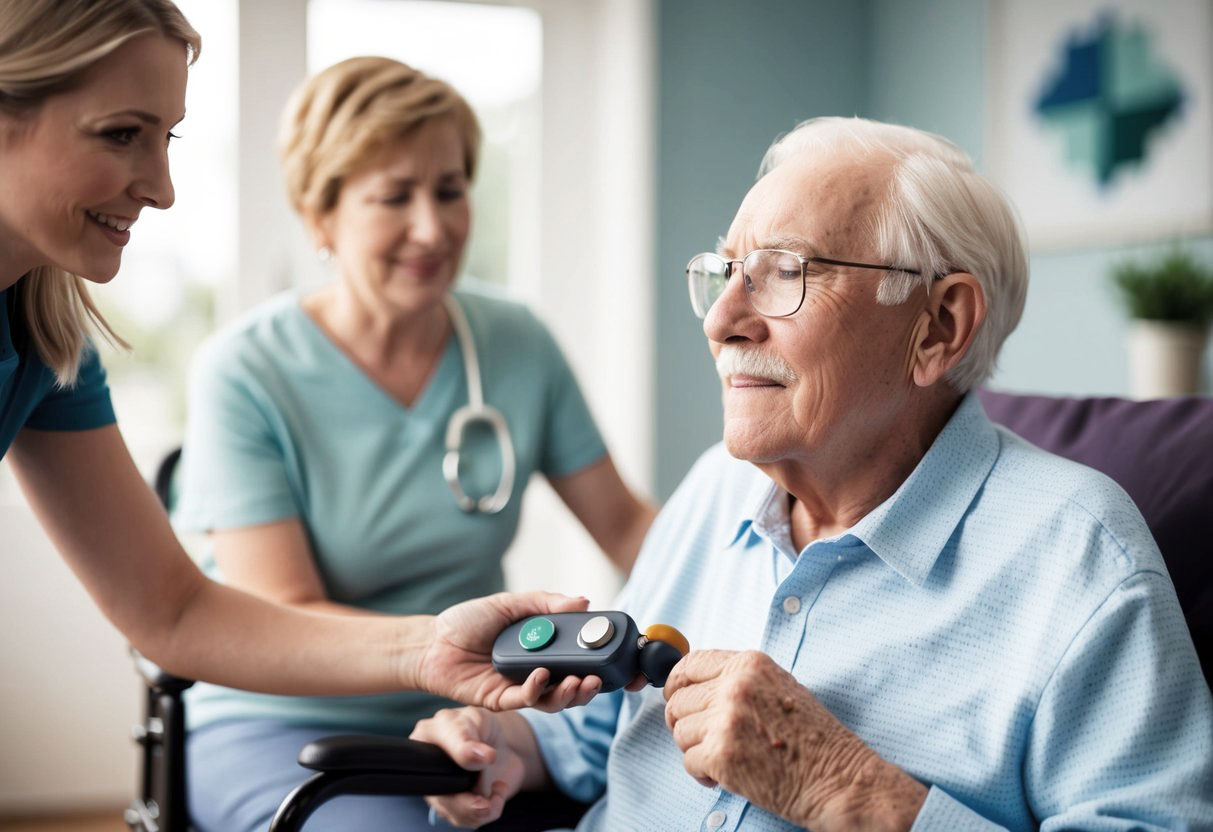
For seniors living with dementia, medical alert devices provide critical support and peace of mind. These devices range from in-home systems with wearable help buttons to on-the-go options with GPS tracking. Key brands such as Bay Alarm Medical, MobileHelp, Medical Guardian, and LifeFone offer reliable solutions tailored to Alzheimer’s patients.
Bay Alarm Medical and MGMini Lite
Bay Alarm Medical offers a comprehensive system suitable for those who prefer in-home solutions as well as those who need mobility. Their in-home base unit comes with a wearable help button, ensuring help is just a button press away. This makes it ideal for individuals who may face challenges remembering to bring larger devices.
The MGMini Lite is a standout product for its GPS tracking capabilities, making it a good fit for seniors who enjoy independence but might wander due to dementia. Its lightweight and compact design ensure it’s not cumbersome. Features such as real-time location tracking and easy communication with emergency contacts further enhance safety.
MobileHelp and QMedic
MobileHelp offers versatile solutions that combine both in-home systems and mobile devices, catering to varying needs. Their wearable devices include GPS-enabled systems, perfect for seniors who are frequently on the move. These devices are straightforward to use, which is crucial for users with dementia.
QMedic shines with its activity tracking features, providing caregivers insights into the user’s daily routine. This can be helpful for detecting irregular patterns that may indicate potential health issues. QMedic’s systems are also monitored for inactivity, adding an extra layer of safety for seniors who live alone or are prone to falls.
Medical Guardian and LifeFone
Medical Guardian delivers robust solutions focusing on mobility and safety. Their devices range from simple pendants to advanced mobile systems with GPS tracking. This flexibility suits dementia patients who require continual monitoring and the reassurance of immediate response in emergencies.
LifeFone provides customizable alert options, allowing for personalized care that meets individual needs. Their range includes both landline and cellular systems, which are easy to install and use. LifeFone’s 24/7 monitoring ensures that seniors and their families can rely on prompt assistance whenever necessary, offering valuable peace of mind.
Design and Comfort: Selecting the Right Device for Daily Use
When choosing a medical alert system for Alzheimer’s patients, one must consider both comfort and practicality. Devices should integrate smoothly into daily life, prioritizing factors like wearability and endurance.
Evaluating Wearability and Discretion
The wearability of a medical alert system is critical for user comfort and consistent use. Lightweight designs allow devices to be worn comfortably for extended periods, minimizing any sense of restriction.
For patients who are self-conscious about their condition, discretion is another important factor. Devices must be subtle and easily blend with daily attire. Options like wristbands or wearable help buttons can be stylishly incorporated, providing peace of mind without drawing unwanted attention.
Waterproof and Long Battery Life Features
Modern devices should be waterproof to ensure they remain effective during activities like bathing, which is essential for both safety and convenience. Water-resistant models extend the lifespan of the device, reducing maintenance concerns.
A long battery life is indispensable, particularly for those who may forget to charge their devices regularly. Products that offer multiple days of service on a single charge, such as those from brands like AngelSense, ensure reliability and reduce the potential for disruptions in care. Adjusting to the specific needs of Alzheimer’s patients is paramount in these considerations.
Support and Services for Caregivers of Alzheimer’s Patients
Support and services for caregivers of Alzheimer’s patients include innovative tools like caregiver portals and tracking apps, which assist in managing daily tasks and ensuring safety. Selecting an affordable medical alert company with reliable monitoring can make caregiving more sustainable.
Caregiver Portals and Tracking Apps
Caregivers benefit greatly from specialized portals and tracking apps designed to manage complex caregiver duties. These platforms enable caregivers to coordinate schedules, share critical patient information, and set reminders for medications. Mobile GPS tracking allows caregivers to monitor the patient’s location in real-time, enhancing safety.
An integrated caregiver portal supports communication among family members and healthcare professionals. Security features are built into these applications, safeguarding sensitive patient data. Cellular networks provide connectivity, ensuring consistent access to required services. These tools offer invaluable support, enabling caregivers to focus on providing compassionate care without being overwhelmed by logistics.
Choosing an Affordable Medical Alert Company
Choosing an affordable and reliable medical alert company is essential for easing caregiving duties. Key factors for selection include reasonable monthly fees, excellent customer service, and free shipping options. A reputable company offers a 30-day risk-free trial, ensuring satisfaction with the service before committing long-term.
Medical alert systems connect patients to a professional monitoring centre, providing around-the-clock assistance and peace of mind to caregivers. These companies use extensive cellular networks to ensure uninterrupted service. When selecting a company, consider the device’s ease of use and its ability to function reliably in various settings, complemented by responsive customer support.
2 responses