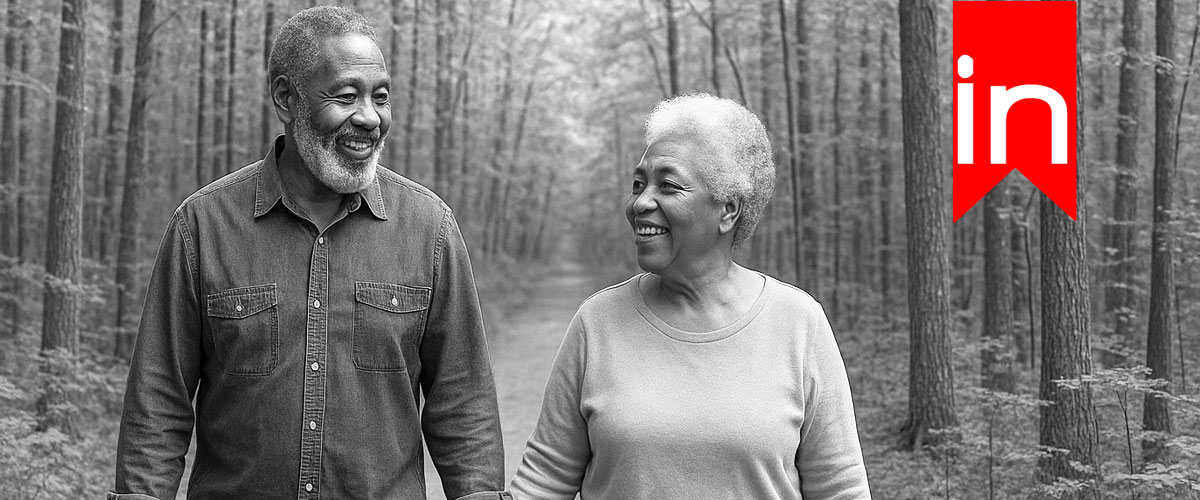
Walking outdoors with a focus on mental well-being gives seniors a blend of movement and emotional support that you just don’t get from a typical workout. This approach, called mood walking, weaves together the perks of daily activity with mindfulness and stress-busting techniques, all tailored for older adults.
Mood walks can boost cardiovascular health, ease anxiety, sharpen cognitive function, and open up social connections that help fight off isolation. Even a gentle stroll gets blood moving to the brain, supporting memory and focus. Plus, those endorphins? They lift mood and can help you sleep better at night.
What’s great is that mood walking is accessible—even for folks who find other workouts tough or, honestly, a bit overwhelming. This low-impact activity doesn’t need fancy gear, works for all fitness levels, and sets the stage for community engagement that’s good for both body and mind.
Highlights
- Mood walks merge physical movement with mental health benefits—think better heart health, less anxiety, and a clearer mind
- This easygoing exercise adapts to any fitness level and needs next to no equipment, making it a win for seniors of all abilities
- Joining in regularly helps build social ties and community, fighting loneliness and boosting emotional resilience
What Is A Mood Walk?
Mood Walk is a specialized walking program for adults 55+, blending movement with mental wellness through structured group walks in nature.
Developed by the Canadian Mental Health Association (CMHA) Ontario alongside Hike Ontario and Conservation Ontario, Mood Walk is for seniors aged 55 and up who want to boost their physical and mental health with guided outdoor time.
Participants join structured walks that put equal weight on movement and mental health. There are evaluation tools to help folks check their readiness for activity and set personal goals.
Key features include:
- Pre- and post-walk mood check-ins
- Anxiety and energy tracking
- Functional health assessments
- Nature connection tools
The sessions are led by trained leaders who get special instruction from CMHA Ontario on running and evaluating programs for older adults.
Mood Walk is active in 19 community mental health agencies across Ontario, plus other organizations and family groups through the Lived Experience and Recovery Network in North Bay.
History and Origins
Mood Walk kicked off in 2013, aiming to tackle the mental health struggles facing Ontario’s seniors. At the time, research showed that up to 30% of seniors in the province were dealing with mental health issues.
The program came from a three-way collaboration: CMHA Ontario brought mental health know-how, Hike Ontario added outdoor recreation and trail access, and Conservation Ontario offered environmental education and access to natural areas.
Jennifer Cooke is the Provincial Program Coordinator, overseeing Mood Walk’s rollout and helping community organizations get up and running.
This was a real shift toward community-based mental health support for seniors, recognizing how physical activity and time in nature can lift psychological well-being.
How Mood Walk Differs from Other Walking Programs
Unlike your average walking group, Mood Walk folds in specific mental health elements. Most walking clubs focus on fitness and a bit of socializing, but that’s about it.
This program uses detailed evaluation tools to track changes in mood, anxiety, and energy before and after each walk, so you can actually see progress over time.
What sets it apart:
- Structured mental health check-ins
- Nature connection assessments
- Leaders from mental health agencies, not just volunteers
- A focus on seniors with mental health needs
Standard walking groups usually don’t have leaders with formal mental health training. Mood Walk leaders go through CMHA Ontario certification, so they know how to spot and support mental health needs as they come up.
There’s also a big emphasis on mindfulness—participants are encouraged to really notice the natural world around them, not just clock in steps.
Mental Health Benefits for Seniors
Regular mood walks spark the release of endorphins and serotonin, which help fight off symptoms of depression in older adults. These chemical shifts lower cortisol and support emotional steadiness and sharper thinking.
Reducing Symptoms of Depression
Walking fires up endorphin production—nature’s own antidepressant. These brain chemicals can break up negative thought patterns that often come with depression.
Building a walking routine adds structure to daily life. That sense of accomplishment and purpose? It’s real. Many people also find their sleep gets better once they’re in the habit of walking.
How walking helps fight depression:
- Boosts serotonin levels
- Sunlight increases vitamin D
- Physical achievement lifts self-esteem
- Social interaction (if you’re walking with others)
Some studies say that just 20-30 minutes of walking a day can noticeably improve mood in a couple of weeks. The steady rhythm of walking also encourages mindfulness and can quiet a racing mind.
Alleviating Anxiety
Physical activity like walking helps drop cortisol—the stress hormone that fuels worry and restlessness for so many seniors.
The repetitive movement taps into the parasympathetic nervous system, triggering a relaxation response and helping to calm anxious thoughts.
Walking outside brings extra anxiety relief through:
- Fresh air and more oxygen to the brain
- Soothing natural sounds
- Wide open spaces that ease feelings of being boxed in
- Sunlight that helps regulate sleep cycles
Plenty of seniors say they feel less frazzled after a walk. Just stepping away from the usual indoor routine seems to hit the reset button.
Improving Emotional Well-Being
Walking increases blood flow to the brain, which helps with memory and decision-making—pretty important as we age.
Joining a walking group means regular chats and new friendships. These connections help beat loneliness and create a real sense of community. Sharing the walk (and the stories that come with it) can make a big difference.
Regaining independence through movement is a confidence booster. Seniors who stick with walking often feel more capable and sure of themselves.
Emotional benefits include:
- More personal control
- Steadier mood throughout the day
- Extra energy for daily life
- Better tools for handling stress
And let’s not forget: walking offers quiet time for reflection. It’s a chance to process thoughts and emotions, which helps keep things in balance.
Physical Health Advantages
Mood walks can deliver real improvements in heart health, mobility, and weight management. These gentle walks strengthen the heart, improve balance, and help keep coordination sharp.
Enhancing Mobility and Balance
Regular walks help seniors keep joints flexible and cut down on stiffness. Gentle movement lubricates joints and keeps muscles working without overdoing it.
Walking also sharpens proprioception—that’s your body’s sense of where it is in space. Better proprioception means fewer falls, since the brain and muscles are working together more smoothly.
With regular walking, coordination and stability get a boost. The steady pace activates core muscles and improves posture, which helps with balance overall.
Walking encourages the production of synovial fluid, which keeps joints moving smoothly and helps maintain range of motion in hips, knees, and ankles.
Boosting Cardiovascular Health
Walking makes the heart stronger and gets blood circulating better. It can help lower blood pressure and keep arteries flexible.
Cholesterol numbers often improve, too—HDL (“good” cholesterol) goes up, and LDL (“bad” cholesterol) can drop with consistent activity.
As cardiovascular fitness grows, heart rate steadies and everyday tasks feel less tiring.
Better blood flow means more oxygen and nutrients reach tissues, which helps organs work well and supports healing.
Supporting Weight Management
Walking burns calories and builds lean muscle in the legs and core. This combo helps seniors keep a healthy weight and body shape.
Regular walks give metabolism a lift, and the effect can stick around for hours after you’re done.
Physical activity also helps balance hunger hormones, so appetite is easier to manage.
Maintaining muscle tone gets easier with steady walking. Since it’s weight-bearing, walking also helps keep bones strong and muscle strength up as we age.
Social and Community Engagement
Mood walks offer seniors a real chance to connect and feel part of something. These group walks give structure to social time, helping to break isolation and building a sense of belonging.
Building Social Connections
Walking in a group is a natural way to start conversations and grow your social circle. Many seniors find real friendships through these structured activities.
There’s something about sharing a walk that creates common ground, no matter your background. People swap stories, compare routes, and share tips on health and wellness.
Communication skills can really grow with regular group walks. Over time, many folks get more comfortable and outgoing as they get to know fellow walkers.
Most walking groups draw people interested in health and community, making it easier to connect and form friendships that last beyond the walk itself.
Research backs it up: seniors in group activities tend to build stronger social ties than those who exercise alone. These connections often lead to more social events and support outside the walks.
Combating Isolation
Loneliness is a real problem for many older adults, especially those living solo or with family far away. Regular walking groups guarantee some social time and help break the cycle of isolation.
Having a set schedule means seniors know they’ll see familiar faces every week. That predictability adds structure and something to look forward to.
Group walks are a practical way to get out of the house and connect. They help prevent the withdrawal that can sneak up when someone spends too much time alone.
There’s often an informal buddy system, with members checking in if someone misses a session. That extra layer of care matters.
Getting outside for a walk just makes conversation easier. The fresh air and movement put people in a better mood, and chatting feels more natural.
Promoting a Sense of Belonging
Community walking groups help seniors feel seen and included in their neighborhoods. Participants become familiar faces in parks and along trails, deepening their sense of place.
The group vibe is supportive—people share experiences, cheer each other on, and offer encouragement when things get tough.
Belonging grows organically when you’re part of a group with shared goals. Walking clubs bring people together around health, friendship, and community involvement.
Sticking with organized walks gives seniors a clear role in the community—they’re recognized as active, engaged citizens, not just individuals on their own.
Some groups even team up for community events or charity work, which adds another layer of meaning and recognition for everyone involved.
Cognitive and Brain Health
Regular mood walks can really make a difference in cognitive function, memory retention, and mental clarity for seniors. Most of these perks come from better blood flow to the brain, stronger neural connections, and just the simple mindfulness that comes from being outside and moving.
Stimulating Cognitive Function
Walking gets more oxygen and nutrients to the brain by boosting blood flow, which is pretty crucial for keeping those neurons firing. There’s solid research showing that even folks in their 70s and 80s who stick with walking programs do better on cognitive tests.
The activity itself helps produce brain-derived neurotrophic factor (BDNF), a protein that encourages new neuron growth and keeps existing pathways strong. Regular walkers tend to have better connections in the parts of the brain that handle memory and thinking.
Key cognitive improvements include:
- Sharper focus and concentration
- Faster processing speed
- Better decision-making abilities
- Enhanced problem-solving skills
Even gentle walks can spark these changes. The steady movement keeps the brain flexible and supports executive function for daily life.
Encouraging Mindfulness
Mood walks have a way of encouraging mindfulness just by getting you to notice the world around you. Seniors might spot the first signs of spring, hear birds, or just feel the wind change as they walk.
This kind of awareness helps clear mental clutter and ease anxiety. There’s something about the rhythm of walking that can settle your thoughts and bring a bit more clarity.
Mindfulness benefits during walks:
- Reduced stress hormone levels
- Lower anxiety symptoms
- Improved emotional regulation
- Enhanced present-moment awareness
Being outside offers a much-needed break from worries and negative thoughts. Sometimes, that’s all it takes to reset and see things with fresh eyes.
Supporting Memory Retention
Walking actually stimulates the hippocampus, which is the brain’s memory hub. Staying active helps preserve this area, which tends to shrink as we age.
Moving through different environments and noticing landmarks can create memory cues. Seniors often link certain places along their walk with conversations or thoughts, reinforcing memory pathways.
Plus, walking usually leads to better sleep, and that’s a big deal for memory consolidation. When sleep improves, the brain has a chance to process and store information more efficiently.
Memory benefits include:
- Stronger short-term recall
- Improved long-term memory storage
- Better name and face recognition
- Enhanced spatial memory skills
These changes can go a long way in helping seniors stay independent and confident in everyday life.
Emotional Resilience and Confidence
Regular mood walks really do help seniors handle life’s ups and downs, while also boosting self-confidence. It’s not just about the physical activity—there’s a real shift in how older adults start to see themselves and deal with stress.
Fostering Self-Esteem
Every walk completed is a small win, and those wins build up. Seniors get to feel proud of what their bodies can still do, and that’s huge for self-esteem.
Nature itself can be a big mood-lifter. Being surrounded by trees, flowers, or even just open sky gives people a chance to reconnect with something beautiful and calming, which helps counter those pesky negative thoughts.
Key confidence-building elements include:
- Completing distance goals
- Maintaining regular schedules
- Experiencing physical improvements
- Engaging with natural surroundings
Group walks also offer a bit of social encouragement. Positive feedback from others can really help push back against feelings of isolation or low self-worth.
There’s also a sense of discovery—finding a new trail or noticing a change in the scenery can spark curiosity and remind seniors that they’re still capable of adapting and exploring.
Building Coping Skills
Mood walks give seniors practical tools for managing stress. The steady pace and focus on breathing can naturally calm nerves and lower anxiety.
Getting outside means dealing with the occasional rain shower or uneven path, but these small hurdles help build flexibility and confidence in problem-solving.
Effective coping strategies developed through walking:
- Deep breathing coordination with steps
- Mindful observation of surroundings
- Gradual exposure to environmental changes
- Social interaction practice
Having a regular walking routine offers something stable to rely on, especially during tougher times. It’s a simple structure, but it works.
Many seniors find walking is a good way to process emotions, letting the movement and fresh air help work through stress or frustration. It’s not a magic fix, but it sure helps keep things in balance.
Accessibility and Inclusivity
Mood Walk programs do a good job of welcoming seniors with all sorts of physical abilities. The programs are flexible, with organizers making sure walking groups are doable for a range of mobility levels.
Accommodating Various Mobility Levels
Walking groups often adjust their pace and routes to include everyone, no matter their physical ability. Leaders usually check in about mobility before starting.
Route modifications might mean picking paved paths for wheelchair users or those with walking aids. For folks with less stamina, shorter walks—maybe just 15 or 30 minutes—are common.
Pace adjustments let faster walkers do extra loops while others rest at certain spots, so nobody feels left behind or pressured to keep up.
Leaders are trained in mobility accommodations like:
- Finding accessible trail entrances
- Planning rest stops every 200-300 metres
- Choosing routes with little elevation change
- Making sure there’s enough seating
Most programs welcome canes, walkers, and mobility scooters. Leaders often work with local trail organizations to double-check accessibility before heading out.
Adapting Mood Walk for Diverse Needs
These programs aren’t just about physical accessibility—they also make space for different cognitive and social needs. Culture and language can shape how groups interact and what activities they enjoy.
Cognitive adaptations might mean using simple route instructions or visual markers for those with memory issues. Leaders repeat directions and keep meeting spots consistent.
Some groups partner with multicultural organizations to offer walks in different languages, reaching immigrant communities that might otherwise miss out.
Seasonal modifications help keep walks going all year, like:
- Indoor routes during bad weather
- Tips for dressing appropriately
- Shorter walks when days are short
- Meeting in malls or community centres instead of outdoors
Transportation can be a hurdle, but some programs work with local transit or set up volunteer drivers. Carpooling and shuttle services to trailheads are sometimes available too.
Financial accessibility is a big focus, with most walks being free. Some programs even lend out gear like walking poles or weather-appropriate clothing for those who need it.
Practical Tips for Getting Started
If you’re thinking of starting a mood walk routine, the first steps are usually finding a group and setting goals that feel doable. That’s really the foundation for building confidence and sticking with it.
Finding Local Mood Walk Groups
Community mental health agencies often join forces with hiking clubs and conservation groups to run mood walks. Seniors can call their local mental health centre to ask about groups or see if there are partnerships with trail associations.
Rec centres are another good place to look—they often have walking groups just for older adults, and many offer indoor options when the weather’s rough. Libraries and community boards sometimes post info about neighborhood clubs focused on mental wellness.
Key places to search:
- Mental health agencies
- Recreation centres
- Senior centres
- Conservation areas
- Community colleges
Healthcare providers can point you toward therapeutic walking programs, too. Some retirement communities organize their own walks for residents who might have mobility challenges.
Setting Realistic Goals
It’s best for newcomers to start with 10-15 minute walks—no need to go all out on day one. Even a stroll down the hallway or a lap around the yard can make a difference without wearing you out.
Once a short walk feels easy, try adding five minutes each week. It’s more about consistency than distance or speed, honestly.
Weekly progression example:
- Week 1-2: 10 minutes daily
- Week 3-4: 15 minutes daily
- Week 5-6: 20 minutes daily
Picking specific days and times helps make it a habit. Mornings seem to work well for a lot of people, before the day gets busy. Keeping a simple journal of your walks and moods can be surprisingly motivating—and it’s nice to look back and see your progress.
Boost Well-Beings For Seniors
Daily mood walks give seniors a surprisingly straightforward way to boost well-being. When you blend physical activity with the mental perks, it can make a real difference in day-to-day life—sometimes in ways you might not expect.
Keeping up a regular walking routine seems to help with memory and focus, probably thanks to better blood flow up top. It’s one of those small habits that quietly supports your brain as the years go by.
And honestly, walking with others? That’s a big deal. Whether it’s a group stroll or just a friend, those moments help chip away at loneliness and isolation.
Key benefits include:
- Less anxiety and fewer low moods
- Better sleep (who doesn’t want that?)
- Mood that doesn’t swing so wildly
- Sharper thinking
If you’re just getting started, there’s no need to overdo it. Even a short 10-minute walk can matter, as long as you stick with it. Consistency beats intensity, every time.
Walking is about as accessible as it gets. No fancy gear, no pricey memberships—just a decent pair of shoes and a little bit of determination. That’s it.
It’s kind of amazing how a simple walk can act like a dose of preventive medicine for mood trouble. Those endorphins you get along the way? They really do help take the edge off stress and crankiness.
A lot of seniors who make walks part of their day say they feel more upbeat and energetic overall. The good vibes don’t just stop when the walk ends, either—they seem to carry through the rest of the day.
There’s plenty of evidence out there backing up walking for senior mental health. It’s not complicated, it’s doable, and honestly, it works—mood walks are one of those habits that just makes sense.
Stopping Scammers Who Target Seniors
Ontario Over 80 Driving Test Requirements And Renewal Process