Vertigo is a condition that causes a sensation of spinning or imbalance and can be triggered or worsened by certain foods and beverages. These dietary triggers often contribute to symptoms such as dizziness and nausea, making them important factors to identify and avoid for effective symptom management. Understanding how specific food choices impact vertigo can help individuals take control of their diet and reduce the frequency and severity of episodes.
The worst foods for vertigo include those high in sodium, caffeine, alcohol, and unhealthy additives like MSG. Excessive salt can disrupt the inner ear’s fluid balance, which is critical to maintaining equilibrium. Similarly, caffeine, alcohol, and sugary treats can intensify symptoms by causing dehydration, increasing blood sugar fluctuations, or aggravating the nervous system.
Highlights
- High-sodium foods can worsen vertigo symptoms.
- Caffeine, alcohol, and sugar may increase dizziness and imbalance.
- Managing vertigo involves avoiding dietary triggers like unhealthy additives.
Understanding Vertigo and Dietary Triggers
Vertigo is a condition marked by sensations like spinning or tilting, which can disrupt balance and lead to nausea or dizziness. Certain dietary habits and foods have been identified as potential triggers that can worsen symptoms for individuals with this condition.
What Is Vertigo?
Vertigo is a symptom, not a disease, typically caused by problems in the inner ear or the central nervous system. It creates the sensation that you or your surroundings are spinning or moving, even when you’re stationary. Common symptoms include dizziness, nausea, vomiting, sweating, imbalance, tilting, hearing loss, ringing in the ears (tinnitus), and abnormal eye movements (nystagmus).
Vertigo often stems from conditions such as vestibular disorders, including Ménière’s disease, vestibular neuritis, or benign paroxysmal positional vertigo (BPPV). Migraines and head injuries can also be underlying causes. Proper diagnosis often involves a medical evaluation to address the triggers and underlying conditions.
How Diet Influences Vertigo
Certain dietary choices can significantly impact the episodes and severity of vertigo for some individuals. The connection often relates to fluid balance in the inner ear, as well as how specific nutrients or compounds exacerbate symptoms.
- Sodium intake influences fluid retention in the body, which can disturb the delicate balance of inner ear fluids critical for maintaining equilibrium. High-sodium diets may aggravate symptoms in conditions like Ménière’s disease.
- Hydration levels can affect dizziness and overall balance. Dehydration is a known trigger for vertigo attacks stemming from poor inner ear fluid regulation.
- Sugar and foods with high glycaemic index may destabilize blood sugar levels, which can indirectly exacerbate balance disorders by affecting the vestibular system.
- Caffeine and alcohol can impair hydration and stimulate the nervous system, potentially worsening vertigo symptoms like nausea or spinning sensations.
Common Triggers for Vertigo Attacks
Specific foods and compounds are well-documented for their role in triggering vertigo. Below is a table summarizing key dietary triggers:
| Trigger | Impact on Vertigo |
|---|---|
| High-sodium foods | Increases fluid retention in the inner ear, worsening balance and dizziness. |
| Sugary foods/drinks | Causes fluctuations in blood sugar and body fluids, impacting vestibular function. |
| Caffeine | Stimulates the nervous system; can increase sensations of spinning or imbalance. |
| Alcohol | Dehydrates the body and can aggravate symptoms such as dizziness or nausea. |
| Fermented foods | Known to exacerbate symptoms in some individuals, likely due to their strong flavours. |
Salty Foods and Sodium-Rich Ingredients
Excess sodium consumption can impact inner ear fluid regulation, potentially worsening conditions like endolymphatic hydrops, which is linked to vertigo. Avoiding sodium-rich foods is crucial for individuals seeking relief from dizziness symptoms.
Salt and Vertigo: The Connection
Sodium has a significant influence on fluid balance within the body, including the inner ear. High sodium intake may lead to fluid retention, exacerbating symptoms of vertigo. This is especially relevant for conditions such as endolymphatic hydrops, where excessive fluid builds up in the inner ear.
Reducing daily sodium levels through a low-salt diet can help manage symptoms by stabilising fluid levels. Monitoring sodium intake is particularly important for those diagnosed with inner ear disorders.
Processed Foods High in Sodium
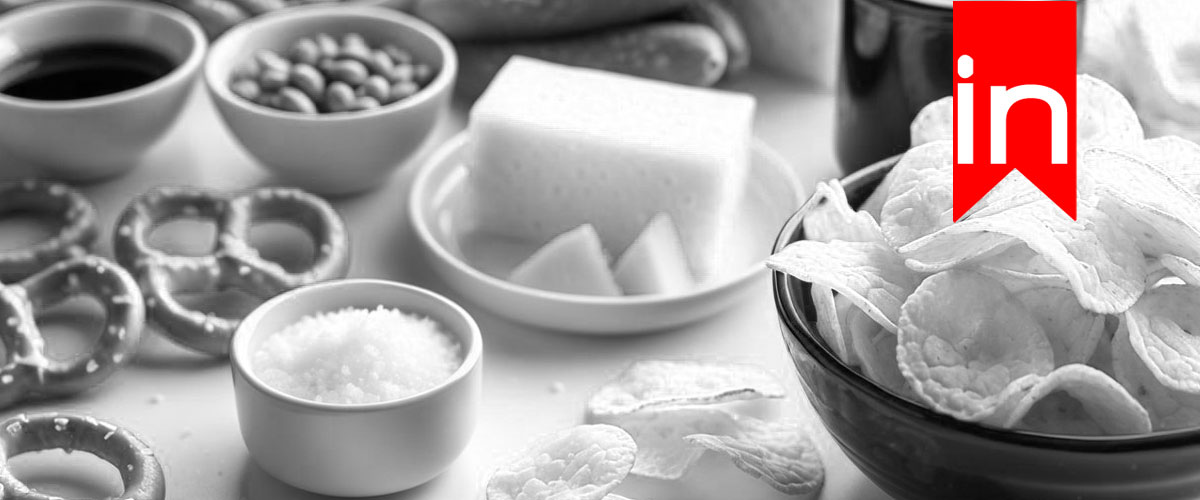
Processed foods frequently contain excessive sodium levels, often as added preservatives or flavour enhancers. Common items include snacks like chips and pretzels, instant noodles, processed meats like sausages and ham, as well as pre-packaged sauces and condiments.
Below is a brief overview of typical sodium-rich processed foods:
| Food Category | Examples | Sodium Content |
|---|---|---|
| Snacks | Potato chips, popcorn | High |
| Sauces & Condiments | Soy sauce, ketchup | Very High |
| Processed meats | Ham, bacon, sausages | High |
Avoiding or limiting these foods can contribute to managing vertigo symptoms effectively.
Canned and Pickled Foods
Canned and pickled items often feature high salt levels for preservation purposes. Canned soups, vegetables, and fruits frequently contain significant sodium, as do pickled products like pickles and sauerkraut. These foods can increase fluid retention and worsen inner ear issues.
For individuals experiencing dizziness, opting for low-sodium alternatives or rinsing canned foods before consumption can help lower sodium intake.
Foods Containing MSG and High Amounts of Additives
Certain food products, particularly highly processed items, can worsen vertigo symptoms due to their inclusion of monosodium glutamate (MSG) and artificial additives. Understanding the sources of these substances can help individuals make better dietary choices to avoid potential triggers.
Monosodium Glutamate (MSG) in Packaged Foods
MSG, widely used as a flavour enhancer, is often found in processed and pre-packaged foods. Common sources include:
- Snack foods: Chips, flavoured popcorn, and other savoury treats.
- Condiments and sauces: Soy sauce, salad dressings, and marinades may contain MSG.
- Canned soups: Many varieties use MSG to amplify taste.
While MSG is generally recognized as safe by authorities like Health Canada, some individuals report adverse effects, such as dizziness and migraines, especially if consumed in large quantities. Checking ingredient labels for “monosodium glutamate” can help identify foods that might trigger symptoms.
Artificial Additives and Preservatives
Processed foods often contain a mix of additives and preservatives designed to extend shelf life and enhance flavour. Ingredients to watch for include:
- Artificial sweeteners: Aspartame and saccharin may aggravate symptoms for sensitive individuals.
- Colouring agents: Certain dyes have been linked to headaches and other reactions.
- Chemical preservatives: Nitrites and nitrates in cured meats, and sulphites in dried fruits or wines.
These substances, like MSG, are frequently found in packaged snacks, bottled condiments, and frozen meals. Cutting back on processed products rich in additives can help minimize the risk of experiencing worsening vertigo symptoms.
Caffeine and Stimulating Beverages
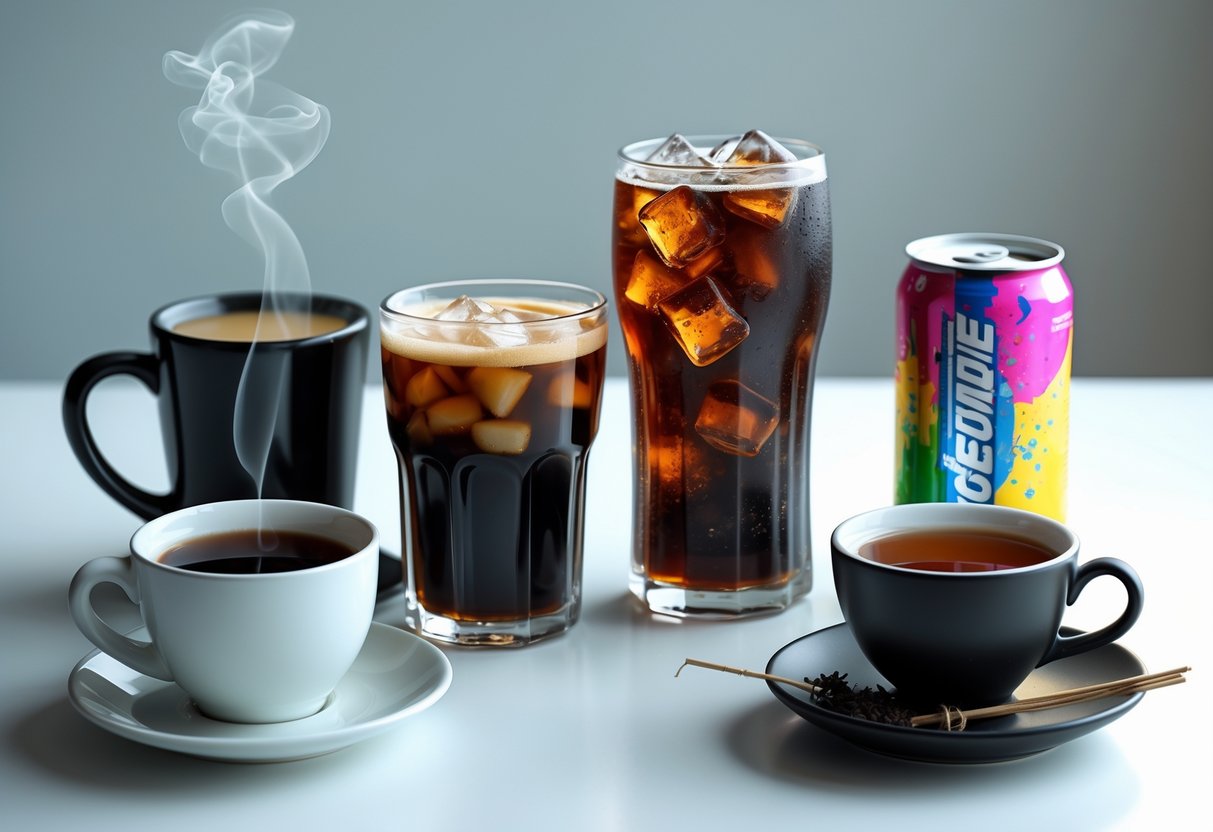
Caffeine, a widely consumed stimulant found in numerous everyday beverages and snacks, can exacerbate vertigo symptoms in some individuals by affecting the inner ear and disrupting the balance system. Identifying common sources of caffeine and understanding its potential impact is crucial for managing vestibular disorders.
Impacts of Caffeine on Balance and the Inner Ear
Caffeine stimulates the central nervous system, which may intensify sensations of dizziness or vertigo. It can influence the inner ear—the region responsible for balance—by altering blood flow or overstimulating the vestibular system. These changes can heighten sensitivity to motion and worsen balance issues in individuals suffering from vertigo.
The diuretic nature of caffeine may also lead to dehydration, which can further impair the inner ear’s ability to maintain equilibrium. This is particularly problematic for those with existing vestibular disorders, as their systems are already more susceptible to disruptions.
Common Sources of Caffeine
Caffeine is most commonly found in coffee and tea, both of which are staples for many individuals. However, other caffeinated beverages, such as soft drinks, energy drinks, and even some flavoured waters, can also contribute to excessive intake.
It is important to note that caffeine is not limited to drinks. Certain snacks, such as chocolate or energy bars, can also be significant sources of this stimulant. Reading labels carefully can help minimize inadvertent consumption of caffeine.
Alcohol and Vertigo Symptoms
Alcohol consumption can exacerbate vertigo symptoms by affecting the inner ear and disrupting the body’s ability to maintain balance. It can also lead to dehydration and contribute to fluid retention, both of which are linked to dizziness and balance disorders.
Why Alcohol Worsens Vertigo
Alcohol can negatively impact the vestibular system, located in the inner ear, which is essential for balance. Excessive alcohol consumption may impair the transmission of signals between the inner ear and the brain, leading to dizziness and unsteady movements.
Dehydration caused by alcohol further intensifies vertigo symptoms. When the body loses fluids, it can result in reduced blood flow to the inner ear and impair balance functions, increasing feelings of dizziness.
Fluid retention is another concern. Alcohol can alter fluid levels in the body, potentially increasing pressure within the inner ear canal, which may worsen vertigo spells.
Alcoholic Drinks to Avoid
Certain alcoholic beverages are more disruptive to balance and vertigo management.
| Drink Type | Reason for Avoiding |
|---|---|
| Hard Liquor | High alcohol content increases dehydration risk. |
| Wine | Can trigger dizziness due to its effects on blood flow. |
| Beer | May contribute to fluid imbalances in the body. |
| Cocktails | Added ingredients like sodium-rich mixers worsen symptoms. |
Tips:
- Limit alcohol intake to reduce vertigo episodes.
- Opt for non-alcoholic beverages or low-alcohol options as safer alternatives.
Sugar, Sweets, and Blood Sugar Spikes
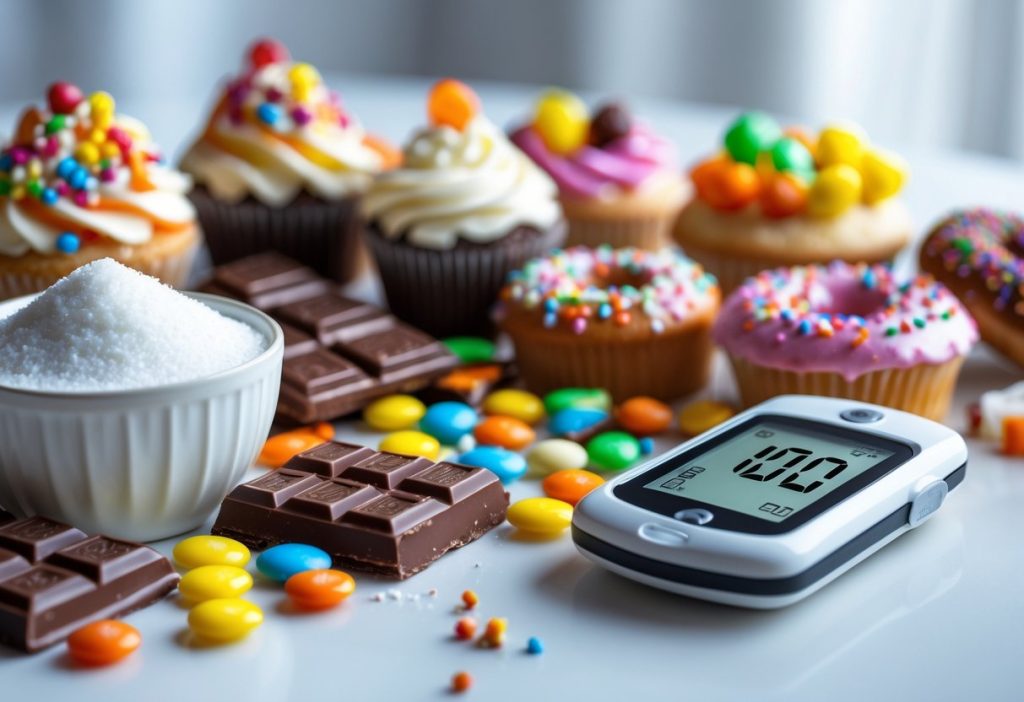
Dietary choices involving refined sugars and highly-sweetened foods can influence vertigo symptoms by causing sharp fluctuations in blood sugar levels. These variations may contribute to imbalances in the body, heightening discomfort and triggering vertigo episodes.
Refined Sugars in Sweets and Desserts
Refined sugars, found in candies, cakes, cookies, and pastries, can lead to significant spikes in blood sugar followed by rapid drops. These “sugar crashes” may destabilize the nervous system, contributing to feelings of dizziness or imbalance in individuals prone to vertigo.
Examples of high-sugar foods to limit include:
| Category | Common Foods |
|---|---|
| Desserts | Ice cream, brownies, tarts |
| Snack foods | Granola bars, chocolate bars |
Processed sweets often contain added sugars that exacerbate blood pressure swings, a known contributor to vertigo-related discomforts.
Blood Sugar Fluctuations as Vertigo Triggers
Irregular blood sugar levels are especially problematic for individuals with diabetes or prediabetic conditions. Spikes in blood sugar from consuming sugary snacks and drinks can temporarily shift body fluid levels, leading to feelings of imbalance or nausea.
Maintaining stable blood sugar is critical to avoiding these issues. Foods like sodas, flavoured syrups, and concentrated juices may cause rapid blood sugar changes, which could increase the risk of a vertigo attack. Opting for whole grains and proteins as replacements for sugary snacks can help regulate blood sugar more effectively.
Unhealthy Fats and Fried Foods
Unhealthy fats, such as saturated and trans fats, along with fried foods, can adversely affect individuals suffering from vertigo. These compounds may contribute to inflammation and impair circulation, potentially exacerbating dizziness.
Saturated and Trans Fats
Saturated fats, commonly found in fatty cuts of meat, butter, full-fat dairy products, and certain processed snacks, can elevate cholesterol levels. Over time, higher cholesterol may contribute to restricted blood flow, which could negatively impact inner ear functions associated with balance.
Trans fats, present in partially hydrogenated oils used in some processed foods like packaged snacks and baked goods, not only worsen cholesterol levels but are also linked to systemic inflammation. Individuals managing vertigo symptoms should consider reducing these fats to improve overall circulation and mitigate potential triggers.
Sources of saturated fats:
- Fatty cuts of beef and pork
- Cream-based sauces or dressings
- High-fat processed foods
Sources of trans fats:
- Store-bought cookies and cakes
- Frozen processed meals
- Deep-fried snack products
Negative Effects of Fried Foods
Fried foods, including items such as French fries, onion rings, and fried chicken, are often heavy in both saturated fats and trans fats due to the oils used for frying. When consumed frequently, these foods may lead to inflammation and poor blood circulation, conditions that may aggravate vertigo symptoms.
In addition to their fat content, fried foods are often high in salt, which can contribute to water retention and increased pressure in the inner ear. These combined effects make fried foods a common dietary trigger for individuals experiencing dizziness or vertigo.
Examples of fried foods to limit or avoid:
- Deep-fried fast-food items (e.g., fries, nuggets)
- Fried processed snacks (e.g., potato chips, fritters)
- Pan-fried or deep-fried meats (e.g., breaded chicken or pork)
Problematic Protein Sources and Seafood Choices
Certain protein sources, especially processed meats and specific types of seafood, can worsen vertigo symptoms due to their high salt content or other problematic compounds. Focusing on healthier alternatives can help mitigate these effects.
Meat and Processed Meats
Processed meats, such as bacon, sausages, and deli meats, are often high in sodium and additives like nitrates. These ingredients can contribute to fluid retention, which may exacerbate inner ear issues linked to vertigo. Additionally, overly salted meats, including cured or smoked options, can disrupt the delicate balance of fluids in the vestibular system.
Even red meats like steaks and pork tend to have higher fat and salt content when compared to proteins like poultry or plant-based sources. Limiting the consumption of these items is advisable for those prone to vertigo.
Examples of High-Salt Meats:
| Type | Sodium (per serving) |
|---|---|
| Bacon | 450-500 mg |
| Deli turkey | 700-1,050 mg |
| Smoked ham | 800-1,200 mg |
Shellfish and High-Salt Seafood
Shellfish such as oysters, crab, and certain types of fish can pose a problem for individuals dealing with vertigo, especially when they are canned, smoked, or otherwise prepared with high levels of salt. For example, canned crabmeat or smoked salmon often contains excessive sodium to preserve flavour and shelf life.
Fermented fish products and pickled seafood are particularly problematic due to their combined high histamine and salt levels, which may trigger migraines or dizziness in sensitive individuals.
Shellfish to Limit:
- Canned crabmeat
- Pickled oysters
- Smoked salmon
Healthier Protein Alternatives
Opting for lean proteins and plant-based options can help manage symptoms of vertigo. Fresh, unsalted chicken or fish are excellent choices when prepared without excessive seasonings or frying. Plant-based proteins like tofu, beans, peas, and nuts are naturally lower in sodium and offer a variety of essential nutrients.
For a protein-rich diet without the risks associated with salt-heavy foods, consider incorporating:
- Grilled chicken or turkey
- Steamed or baked white fish (e.g., cod, tilapia)
- Plant-based options like lentils, chickpeas, and tofu
Case Studies: Foods Often Mistakenly Consumed by People With Vertigo
Certain foods that seem harmless—or even beneficial—may exacerbate vertigo symptoms. Missteps often involve items with hidden sodium or sugar content or “healthy” choices that inadvertently trigger dizziness.
Common Hidden Sources of Sodium and Sugar
Excess sodium is a frequent contributor to vertigo-related issues, as it can lead to fluid retention and disrupt the inner ear’s balance mechanisms. Some foods appear sodium-friendly but are not.
- Canned vegetables and beans: Often packed in briny solutions with significant sodium content. Opt for low-sodium or rinse them thoroughly.
- Condiments and sauces: Soy sauce, salad dressings, and ketchup are stealthy culprits high in sodium and sugar.
- Snacks: Pre-packaged options like flavoured nuts and microwave popcorn are laden with salt.
- Fruits and juices: Dried fruits and fruit juices, while appearing healthy, can contain added sugars, amplifying feelings of dizziness.
Keeping an eye on food labels is crucial to avoid these hidden irritants.
Misconceptions About ‘Healthy’ Foods
Many “healthy” foods marketed as nutritious can have the opposite effect for vertigo sufferers.
- Whole-grain breads and cereals: Though packed with nutrients, they sometimes include added sugar or sodium as preservatives.
- Fermented foods: Pickles, kimchi, and some yogurts, while beneficial for gut health, can worsen vertigo due to their fermentation processes and salt content.
- Nuts and trail mixes: Unseasoned nuts are a better choice. Pre-packaged mixes generally include excessive sodium or sugar-laden extras like chocolate or dried fruit.
- Gluten-containing grains: For those sensitive to gluten, consuming wheat-based products may contribute to vestibular migraines tied to vertigo episodes.
Selective choices within these categories can significantly reduce vertigo exacerbations.
Dietary Recommendations for People With Vertigo
Managing vertigo symptoms may involve dietary changes aimed at reducing sodium intake, staying adequately hydrated, and incorporating certain nutrient-rich foods that support inner ear function and overall health.
Adopting a Low-Salt Diet
A diet low in sodium can help regulate fluid levels in the inner ear, potentially reducing vertigo severity. High-sodium foods such as canned soups, processed meats, savoury snacks (e.g., chips), pickles, and fermented items should be avoided. Instead, opt for fresh fruits, vegetables, and whole grains, which are naturally low in salt.
Quick Tips for Reducing Sodium Intake:
- Cook meals at home to control salt levels.
- Use herbs and spices instead of salt for flavour.
- Read food labels and choose “low-sodium” options.
Staying Hydrated and Supporting Inner Ear Health
Dehydration can exacerbate vertigo symptoms. Consuming sufficient fluids, particularly water, supports proper body function, including maintaining equilibrium in the inner ear. Diuretic effects from caffeinated and alcoholic beverages, which may lead to dehydration, should be minimized.
Suggested Hydration Sources:
- Water (primary choice for hydration).
- Herbal teas without caffeine.
- Foods high in water content, such as cucumbers and watermelon.
Avoid excessive intake of caffeinated drinks, such as coffee and some sodas, as these may contribute to fluid imbalances.
Foods That May Help Reduce Symptoms
In addition to lowering sodium and staying hydrated, including foods that provide essential nutrients may aid in managing vertigo. Magnesium, potassium, and antioxidants may support inner ear and nerve health.
Recommended Foods:
- Fruits: Bananas (rich in potassium), oranges, and berries.
- Vegetables: Leafy greens like spinach (high in magnesium) and broccoli.
- Nuts and Seeds: Almonds, walnuts, and sunflower seeds.
- Beans and Grains: Lentils, quinoa, and brown rice.
Long-Term Management and Lifestyle Considerations
Effective long-term management of vertigo often involves specific dietary and lifestyle changes in combination with professional assistance to address underlying causes and triggers.
Managing Vertigo Through Diet and Lifestyle
Dietary modifications are pivotal in reducing the frequency and severity of vertigo episodes. High-sodium foods, such as canned goods, salted snacks, and processed meats, can contribute to fluid imbalance in the inner ear and should be limited. Similarly, caffeine—commonly found in coffee, energy drinks, and certain teas—can exacerbate dizziness by disturbing the vestibular system’s function.
Patients are advised to maintain stable blood sugar levels by avoiding foods high in processed sugars, such as candy, sugary cereals, and baked goods. A balanced diet that includes fresh vegetables, lean proteins, and whole grains is recommended to support overall health and reduce triggers for vertigo attacks.
Establishing a routine with consistent meal times and staying hydrated plays a critical role in symptom management. It is also beneficial to identify specific personal triggers through careful observation and record-keeping, such as a food diary.
The Role of Health Professionals
Working with health professionals, such as an occupational therapist or a specialist in vestibular rehabilitation, can significantly aid in managing vertigo over the long term. Occupational therapists can provide practical strategies for daily living and offer guidance on minimizing risks associated with vertigo-induced falls.
For diagnosis and treatment of underlying vestibular conditions, consultation with a medical professional is essential. Vestibular rehabilitation, often facilitated by trained therapists, can include targeted exercises to improve balance and reduce dizziness.
Long-term success may also involve regular follow-ups with healthcare providers to adjust treatment plans as symptoms evolve.
Risks Associated With Ignoring Dietary Triggers
Ignoring dietary triggers tied to vertigo may lead to worsening symptoms and the aggravation of related conditions. This can increase health risks, hinder daily functioning, and negatively impact overall well-being.
Potential Complications of Poor Diet in Vertigo
A diet high in sodium, sugar, or processed foods can trigger fluid retention in the inner ear. This may lead to increased episodes of Meniere’s disease, causing unsteadiness, hearing loss, and recurrent vertigo attacks. Similarly, consuming foods with monosodium glutamate (MSG), gluten, or stimulants may worsen nausea and vomiting, which are common in vestibular disorders like BPPV (benign paroxysmal positional vertigo).
In extreme cases, persistent dizziness from dietary neglect can increase the risk of falling. Falls may result in injuries and complications, especially in older adults. Over time, frequent vertigo symptoms may also impair balance, further heightening risks during daily activities.
Impact on Chronic Conditions
Certain dietary habits may exacerbate chronic health conditions linked to vertigo. For example, excessive salt consumption can elevate blood pressure, contributing to heart disease or even increasing the likelihood of a stroke. Individuals with multiple sclerosis (MS) or other neurological disorders may experience heightened dizziness and balance issues when consuming inflammatory foods or alcohol, thereby worsening their symptoms.
Moreover, dietary triggers like caffeine and alcohol may promote fluid fluctuations in the inner ear, intensifying problems in those with pre-existing vestibular conditions like Meniere’s disease.
Worsening Quality of Life
Persistent dietary triggers that worsen vertigo symptoms can significantly impair individuals’ ability to work, socialise, or handle daily chores. Unsteadiness and frequent nausea may make simple tasks feel overwhelming, reducing independence and productivity. Chronic discomfort and reduced mobility may also contribute to emotional challenges like anxiety or social withdrawal.
Stopping Scammers Who Target Seniors
Ontario Over 80 Driving Test Requirements And Renewal Process